Our Approach

Rooted in curiosity, growing for the future
Left ArrowRight Arrow

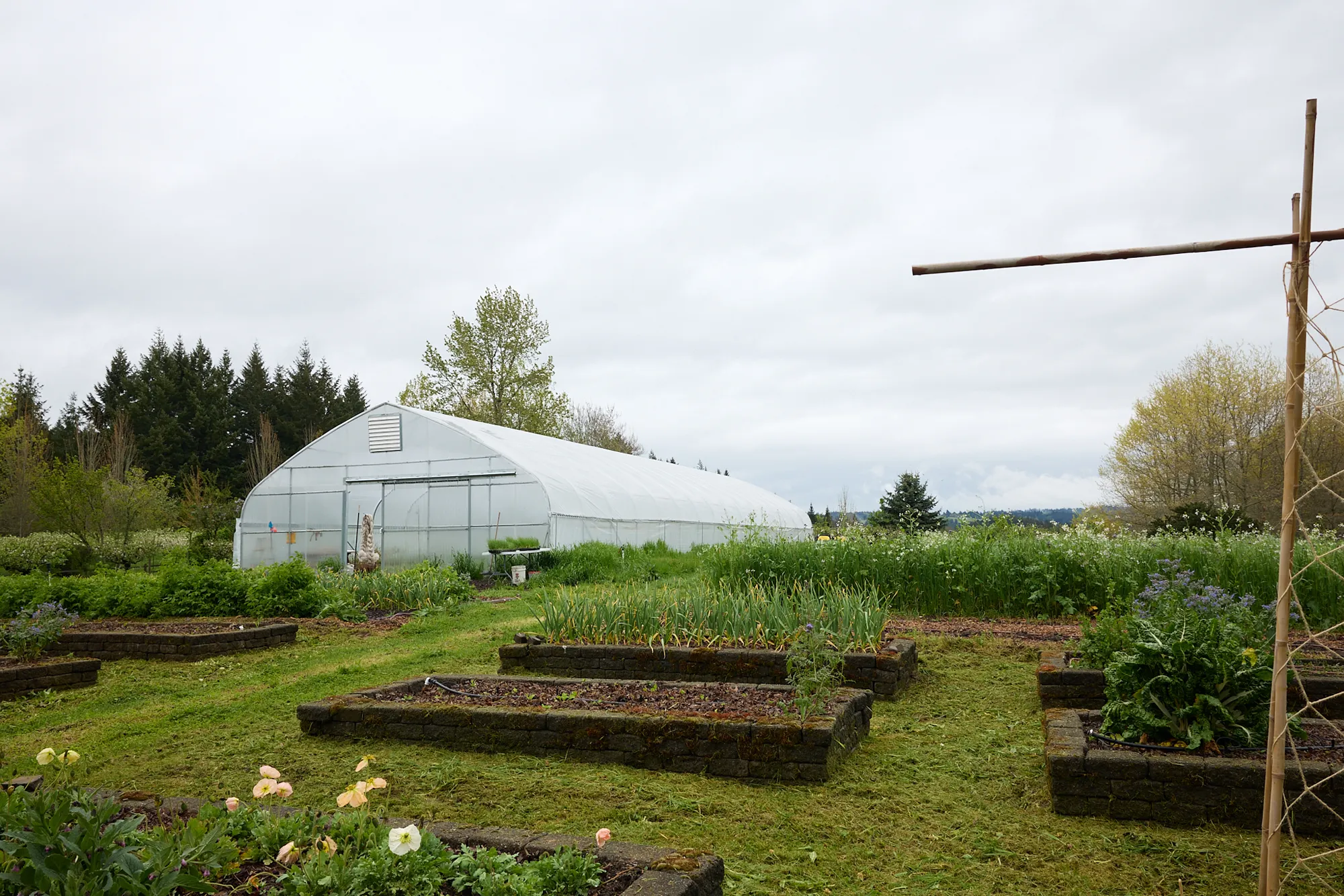
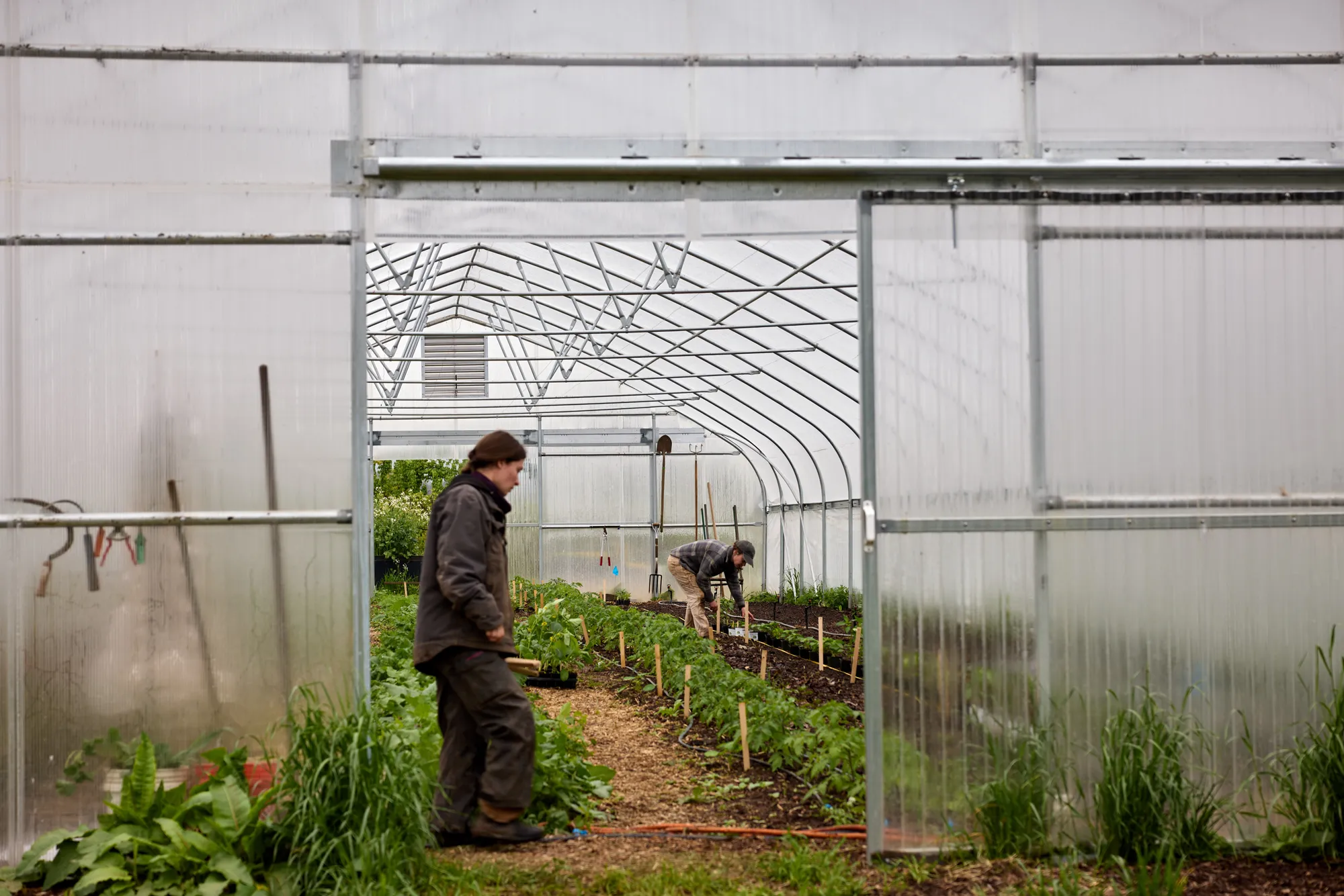
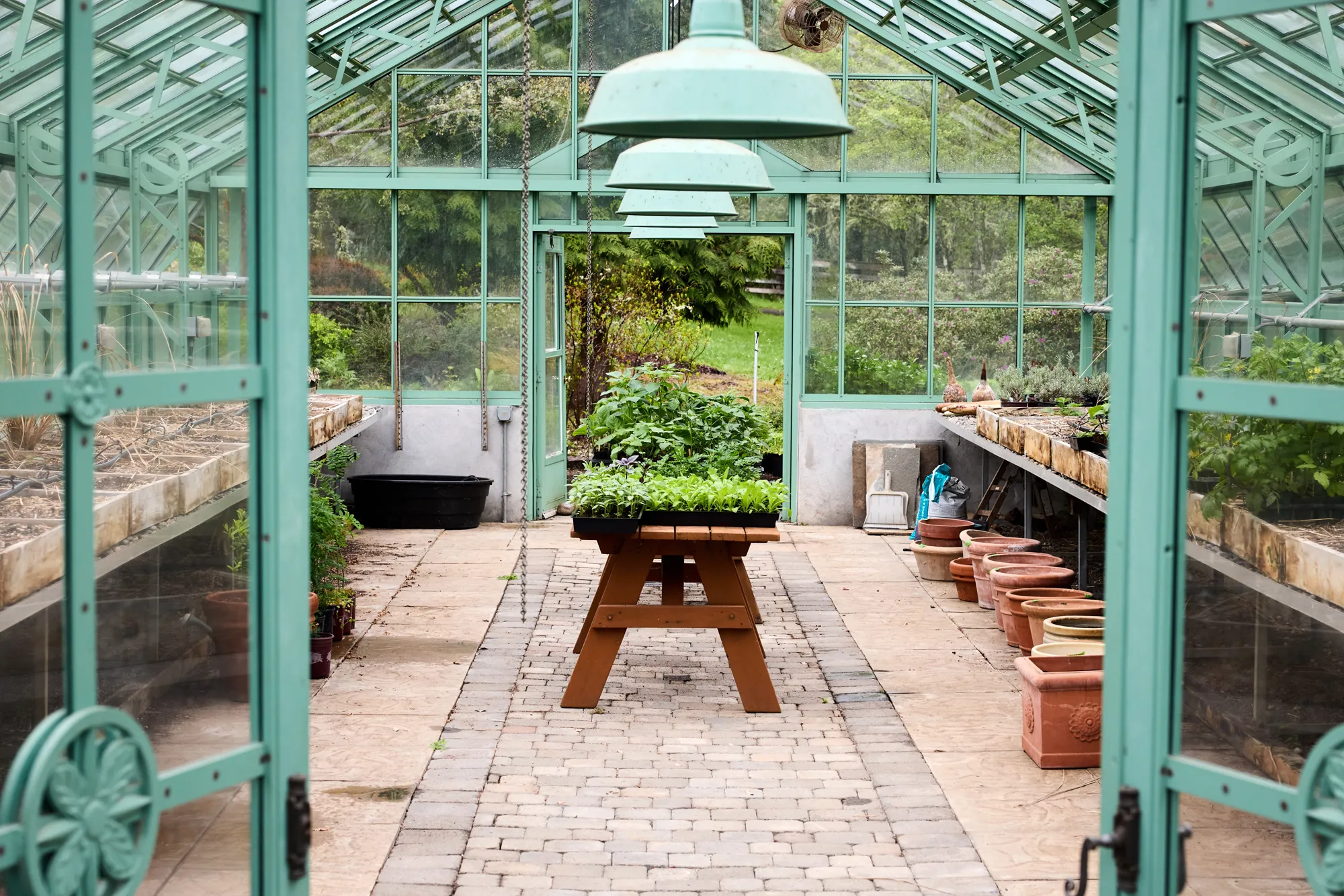
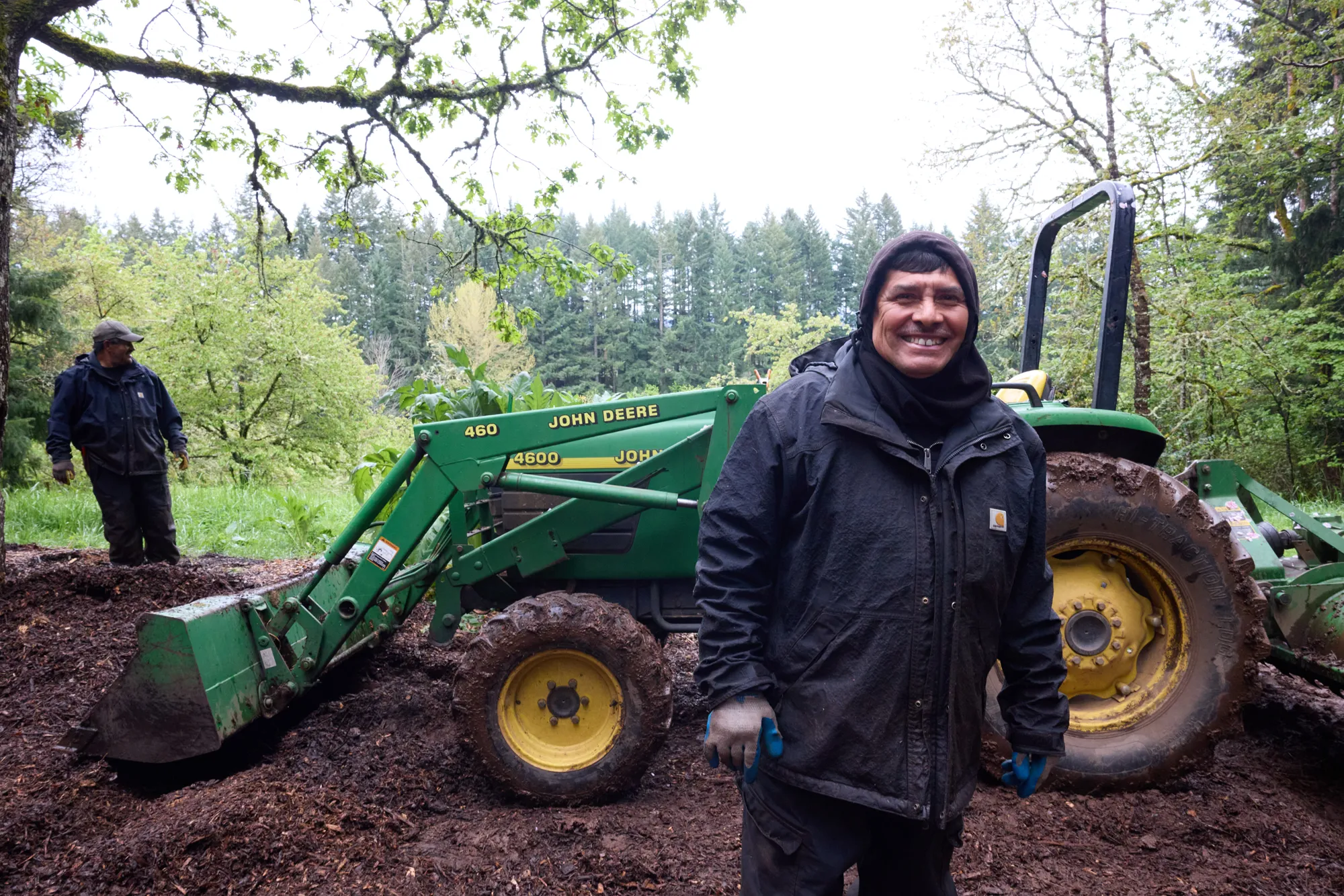
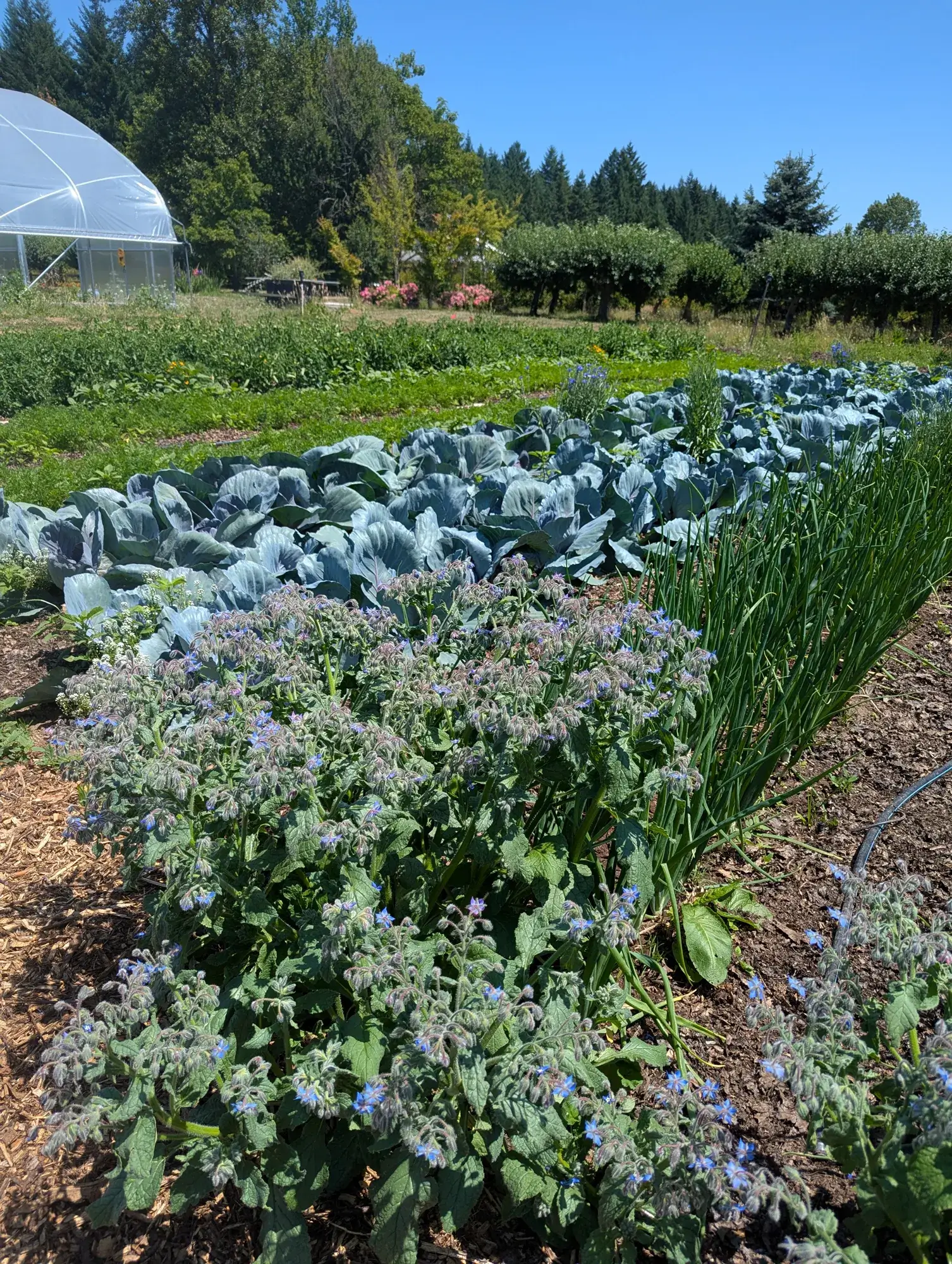
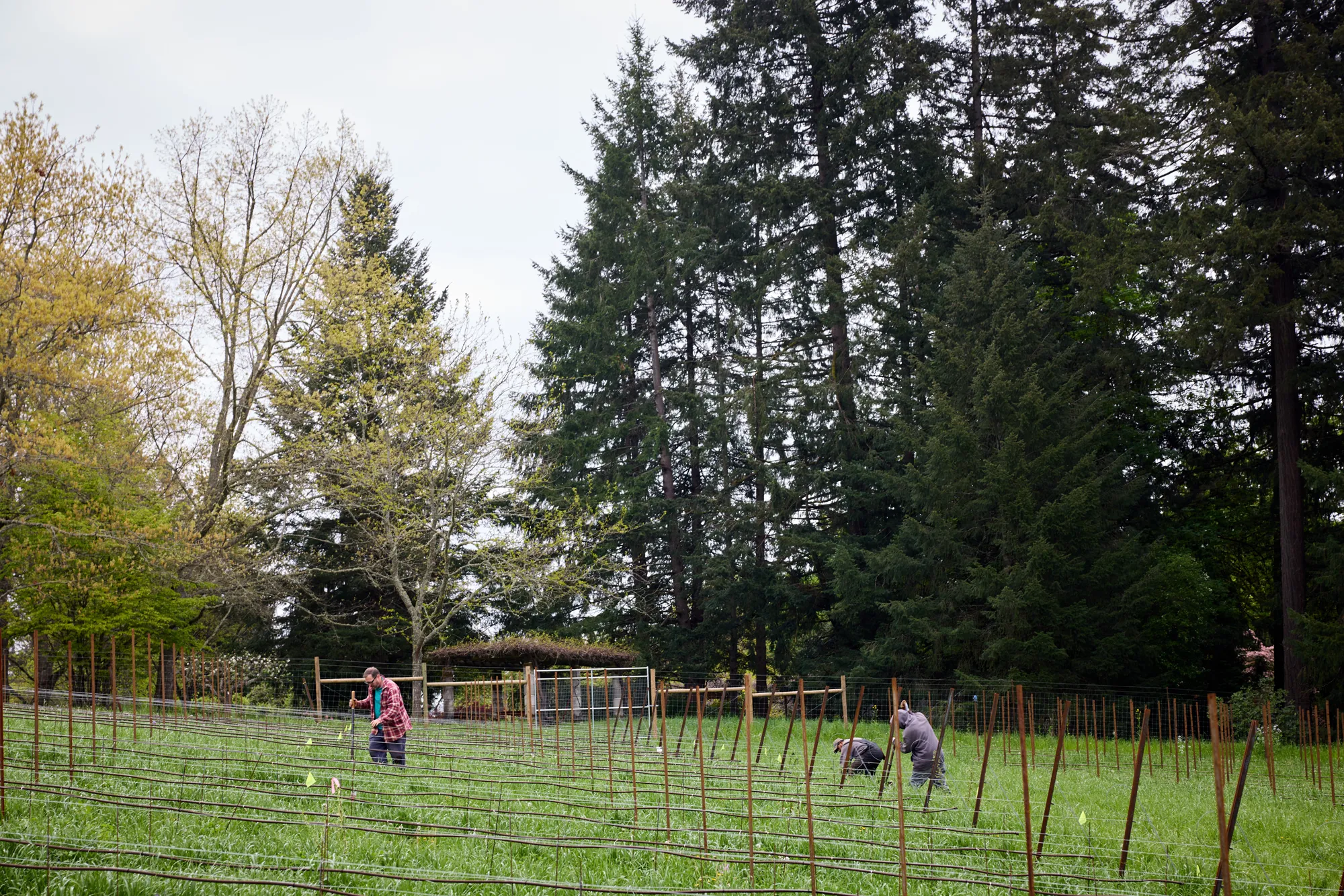
Located at the northern edge of the Willamette Valley, Acania is a 93-acre diversified ecological farm and living laboratory dedicated to the spirit of inquiry.

Acania was born from a desire to carry forward a family legacy of curiosity and stewardship, exploring the living connections between soil, plants, food, and human health.

Our Work

Restoring the Connection

To us, regeneration is not a destination. It is a way of working with the land, alongside scientists, farmers, artisans, and our community.

We believe the land is a generous teacher. Through hands-on farming, careful observation, and shared learning, we are continuing a family story rooted in soil, plants, and human health.

Unearthing the Data

To support a shift in the food system, we need more than good intentions. We need tangible, field-based data.

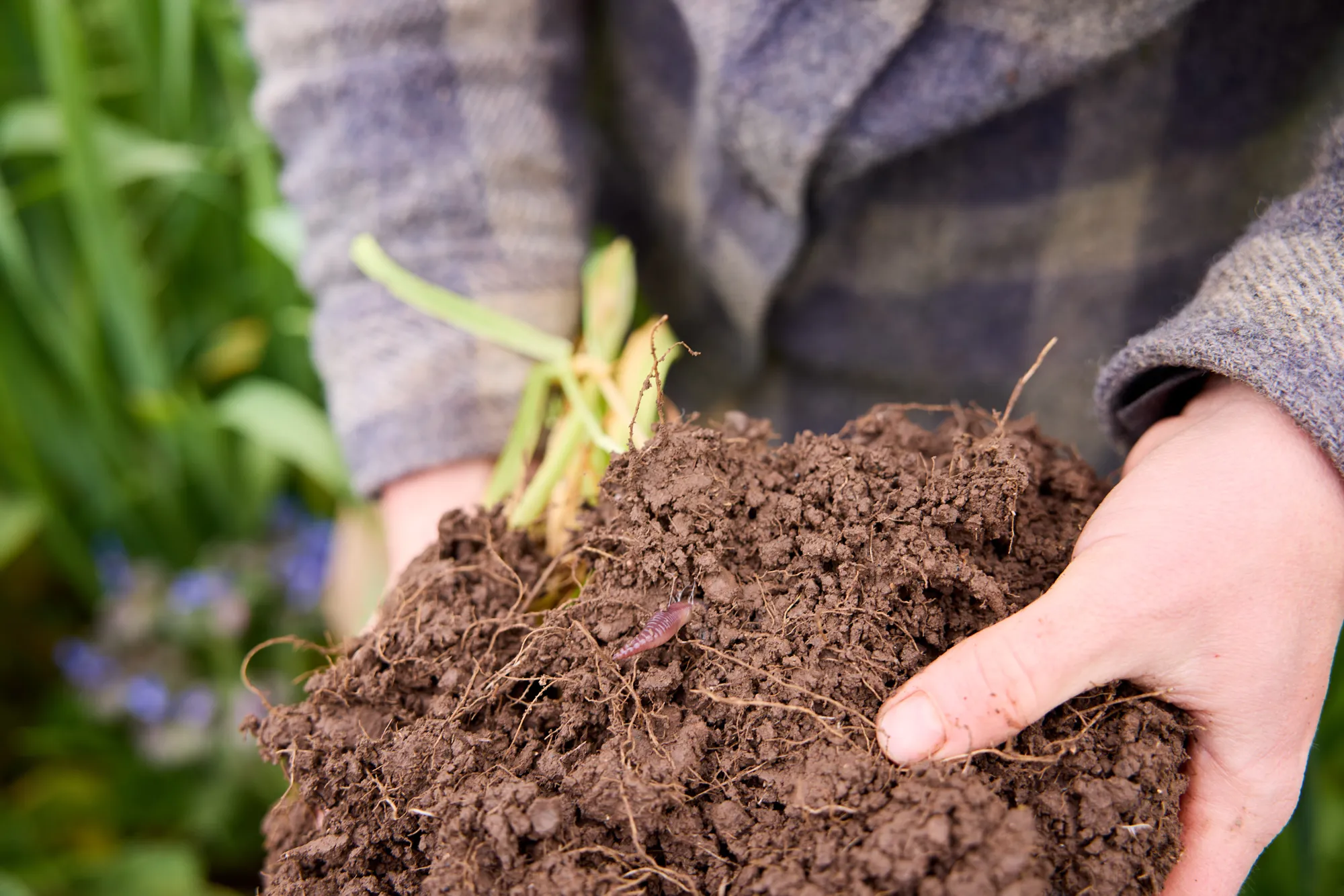
Through regenerative practice and on-farm research, we study how life in the soil may shape plant vitality, nutrient density, and the broader health of the farm ecosystem. By measuring these relationships over time, we hope to help build a stronger case for farming practices that restore rather than deplete.
Reawakening Wonder

Modern life has distanced many of us from the sources of our vitality. At Acania, we are creating opportunities to reconnect with the living systems that sustain us.

Through the land, the gardens, the research, and the rhythms of the farm, we hope to reawaken a sense of wonder, relationship, and responsibility toward the natural world.

Cultivating a Thriving Future

We envision a future where healthy soil helps restore the land, nourish people, and strengthen the resilience of the ecosystems we depend on.

By investing in soil health, biodiversity, and ecological learning today, we are helping cultivate a more abundant legacy for generations to come.
Our Regenerative Farming System Practices
Growing different crops in planned sequences helps diversify plant families, balance nutrient demand, interrupt pest and disease cycles, and support long-term soil function.
Planting non-cash crops between production cycles keeps living roots in the soil, protects bare ground, captures nutrients, reduces erosion, and adds organic matter over time.
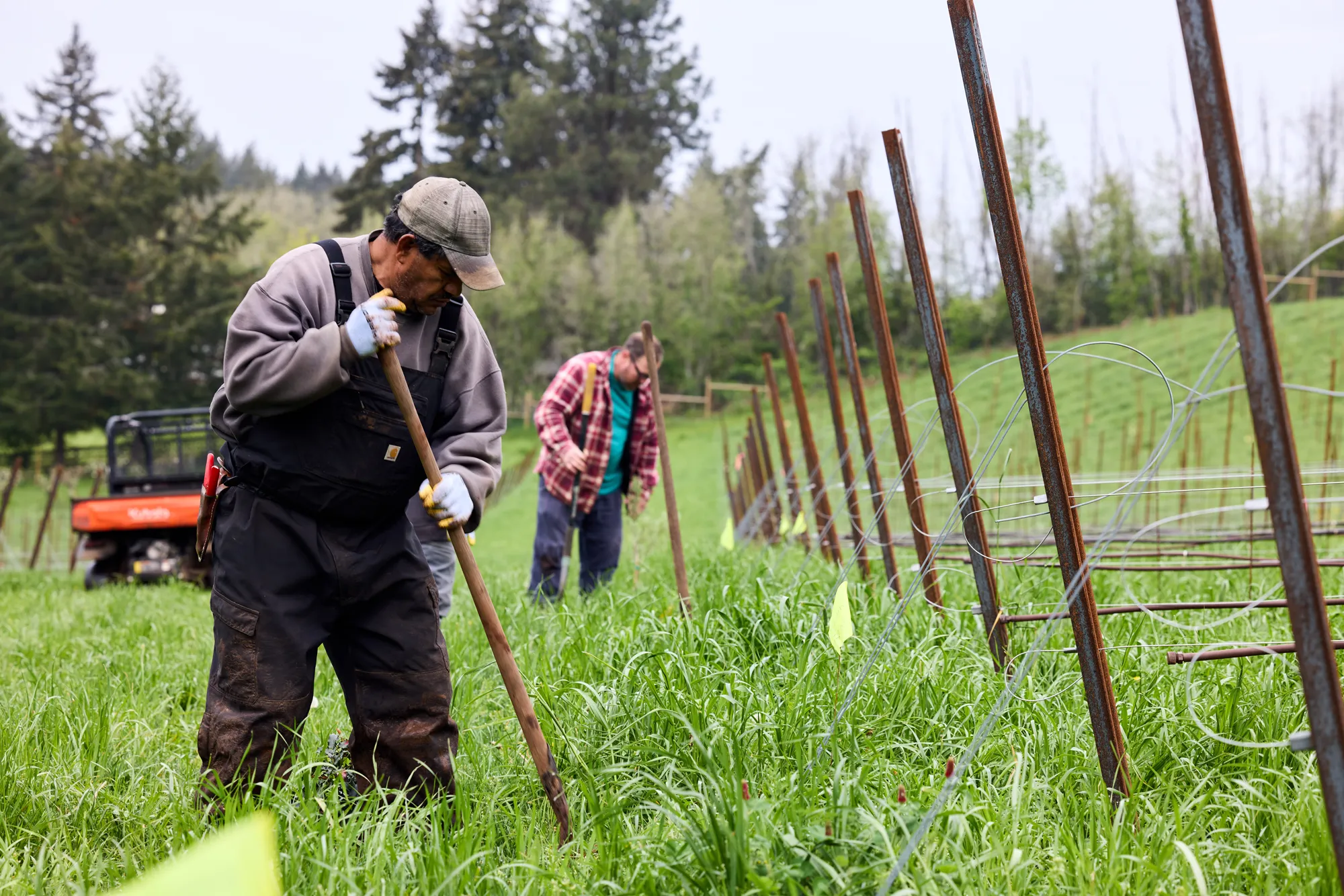
Planting cover crops between rows of cash crops allows for continuous ground cover and adds diversity.
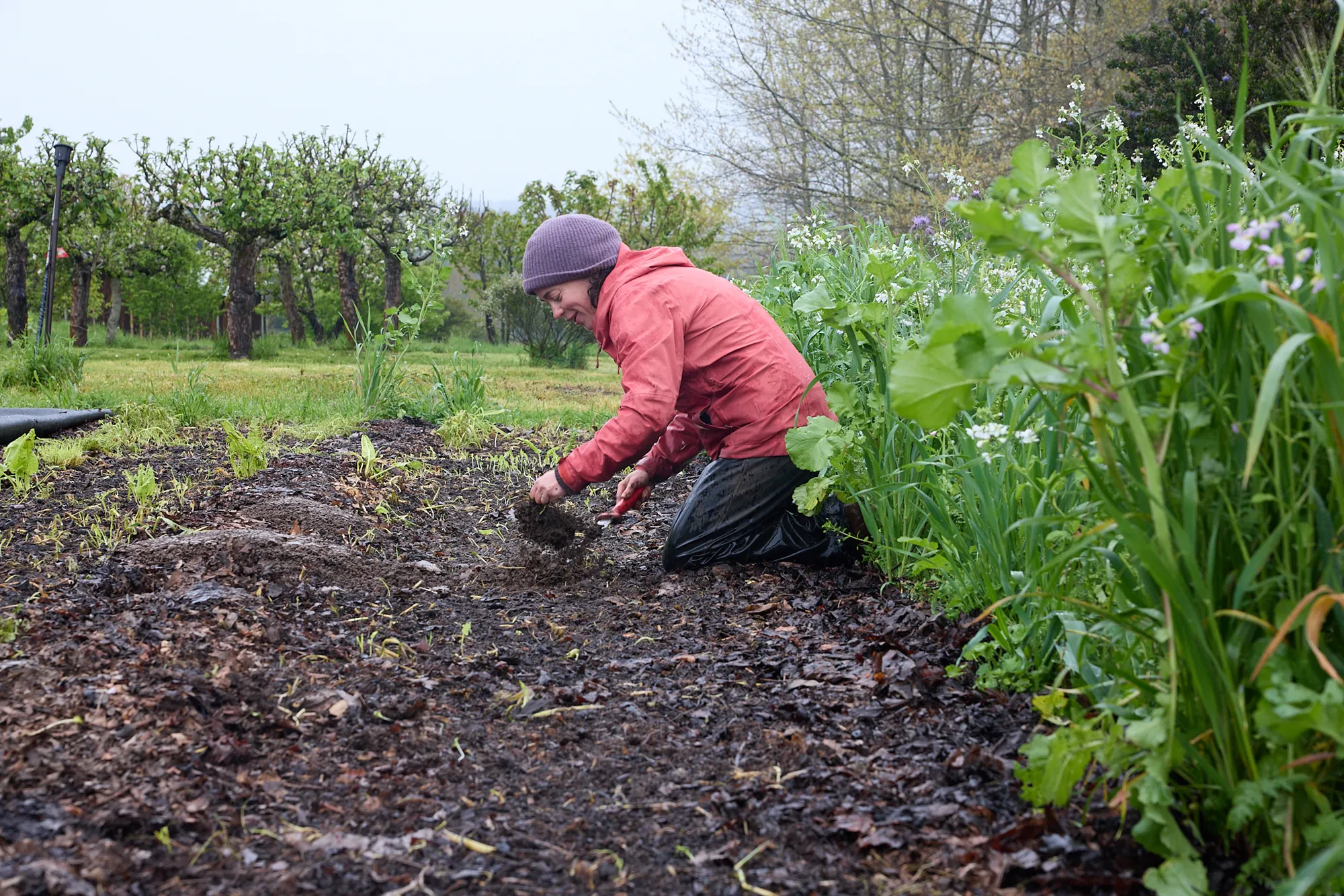
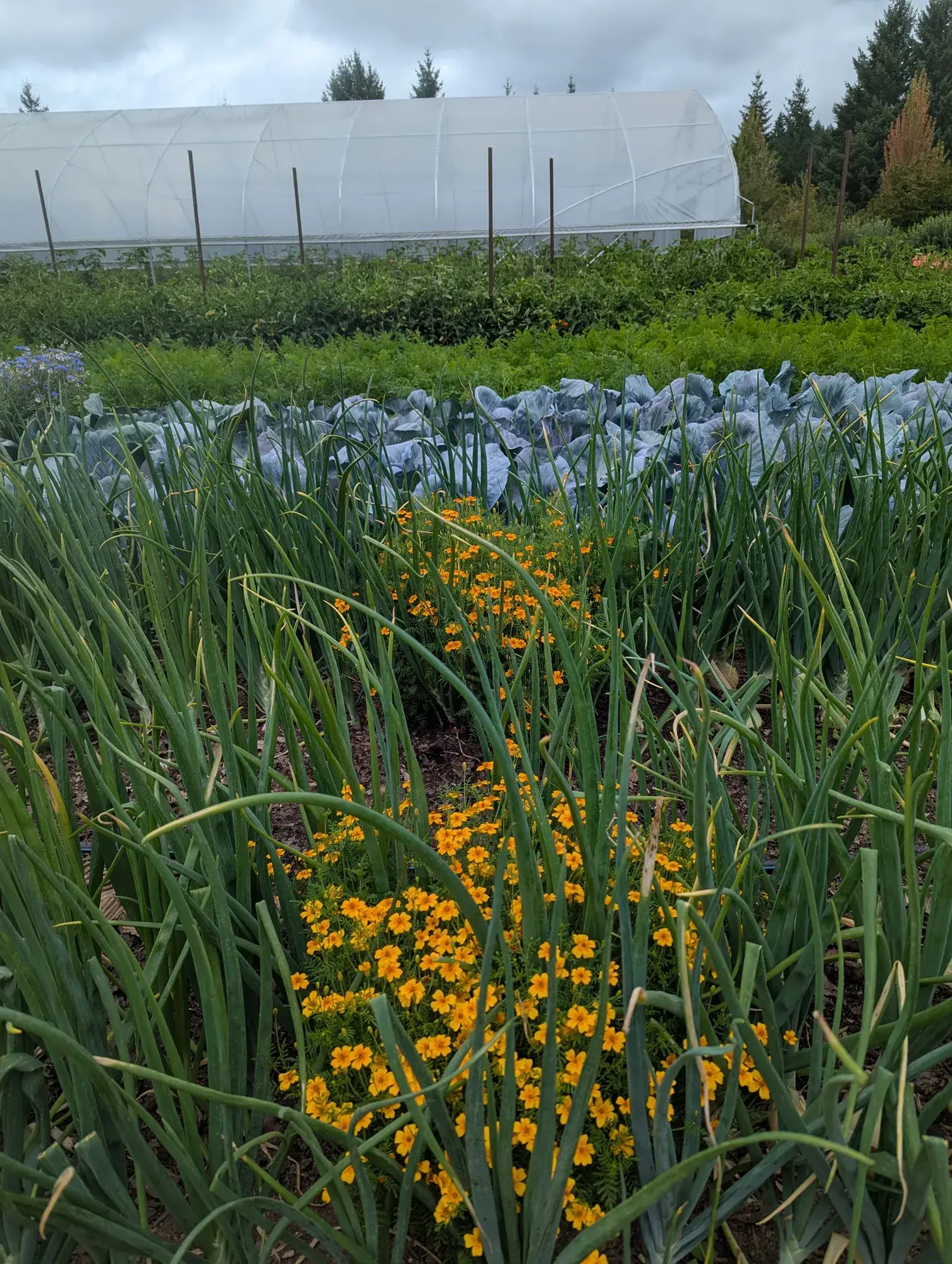
Planting cover crops or companion plants between crop rows helps maintain living cover, increase diversity, and support beneficial insects during the growing season.
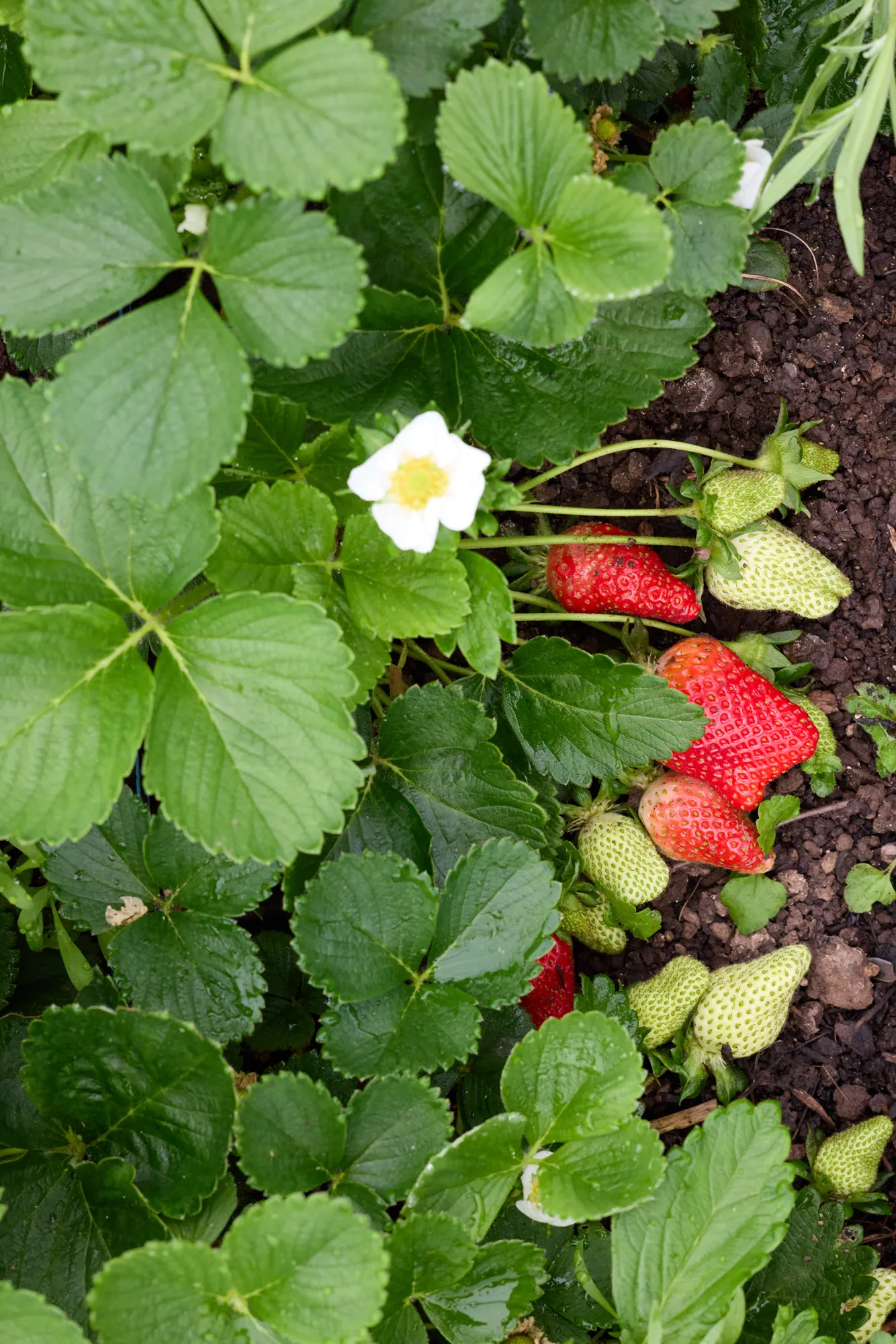
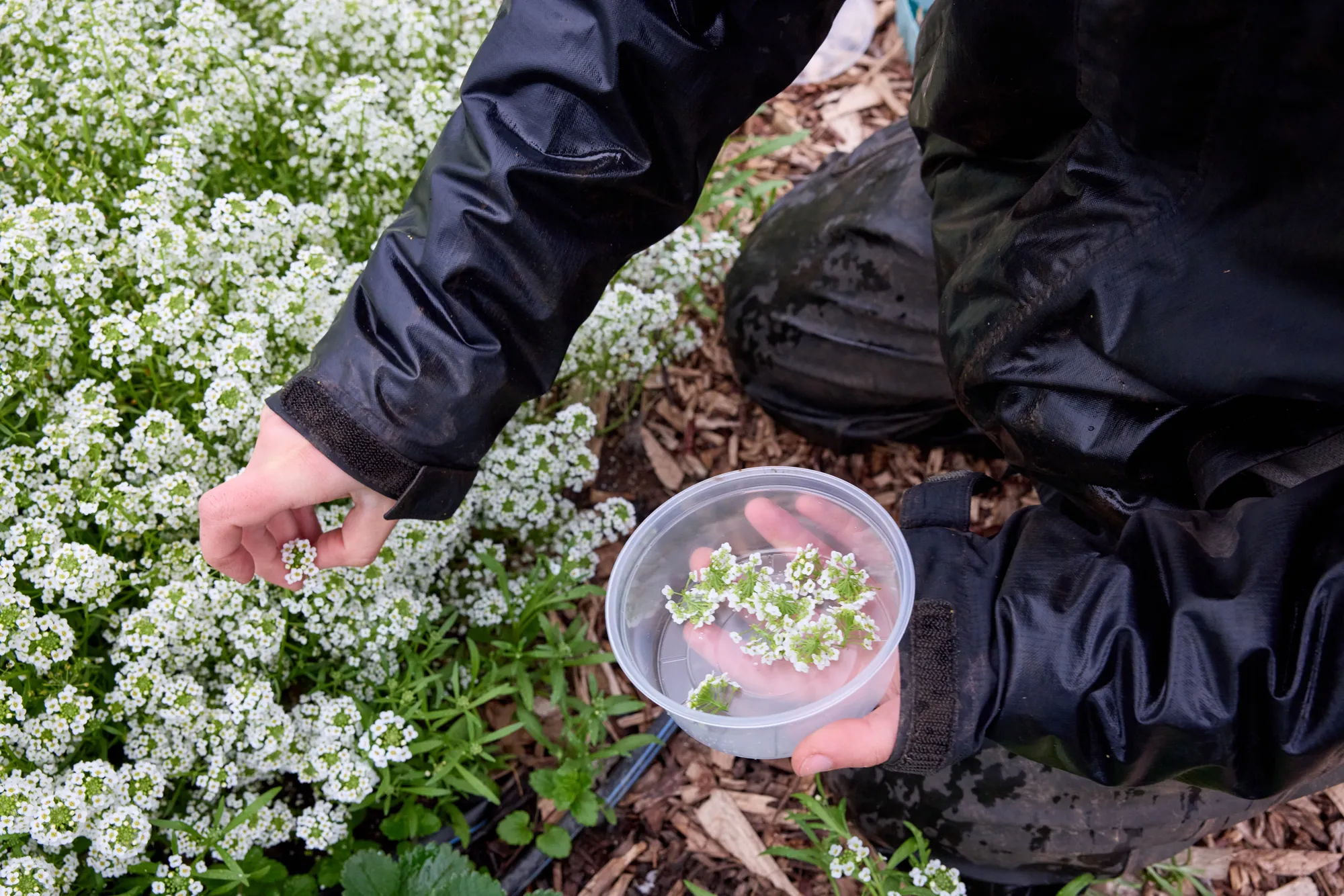
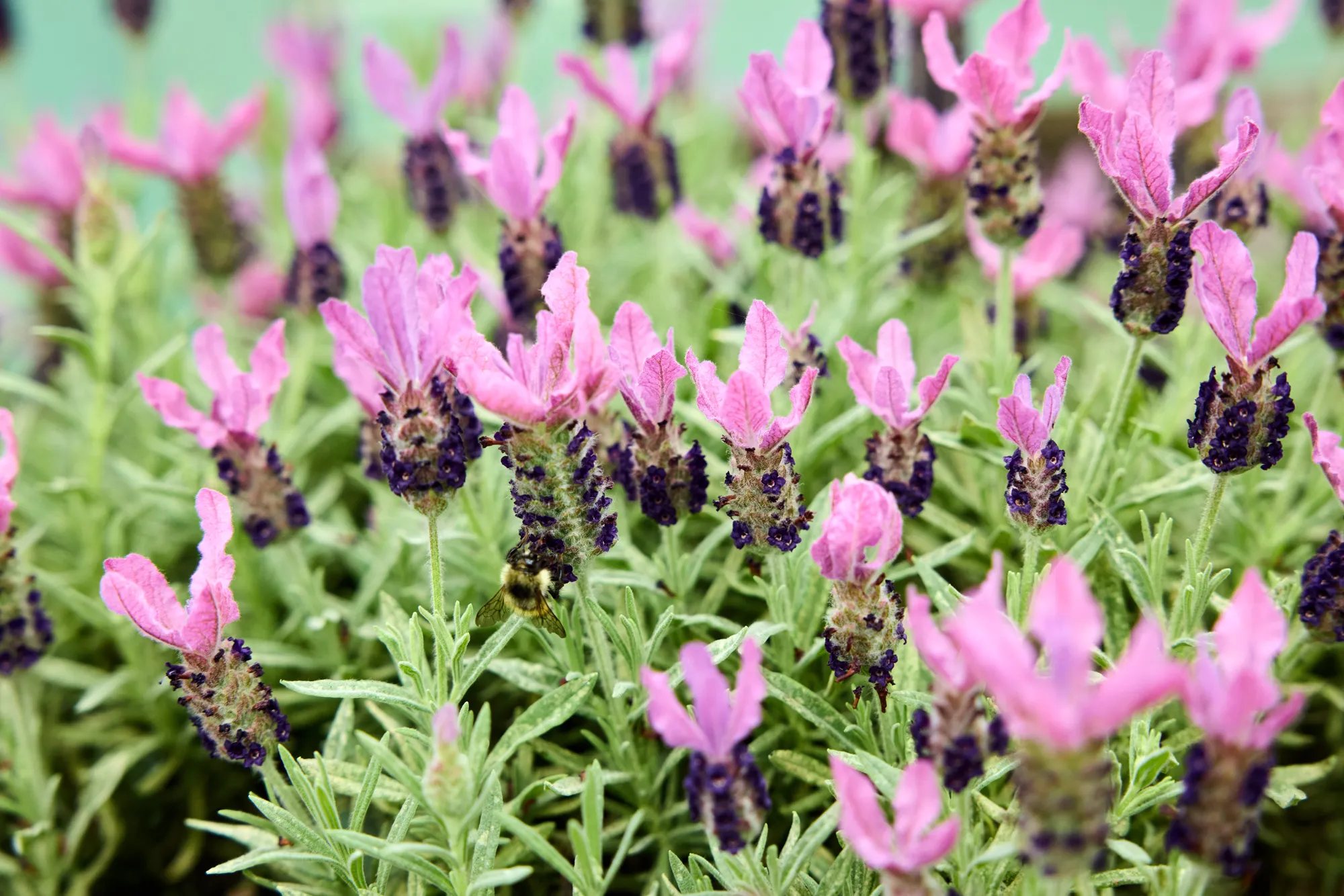
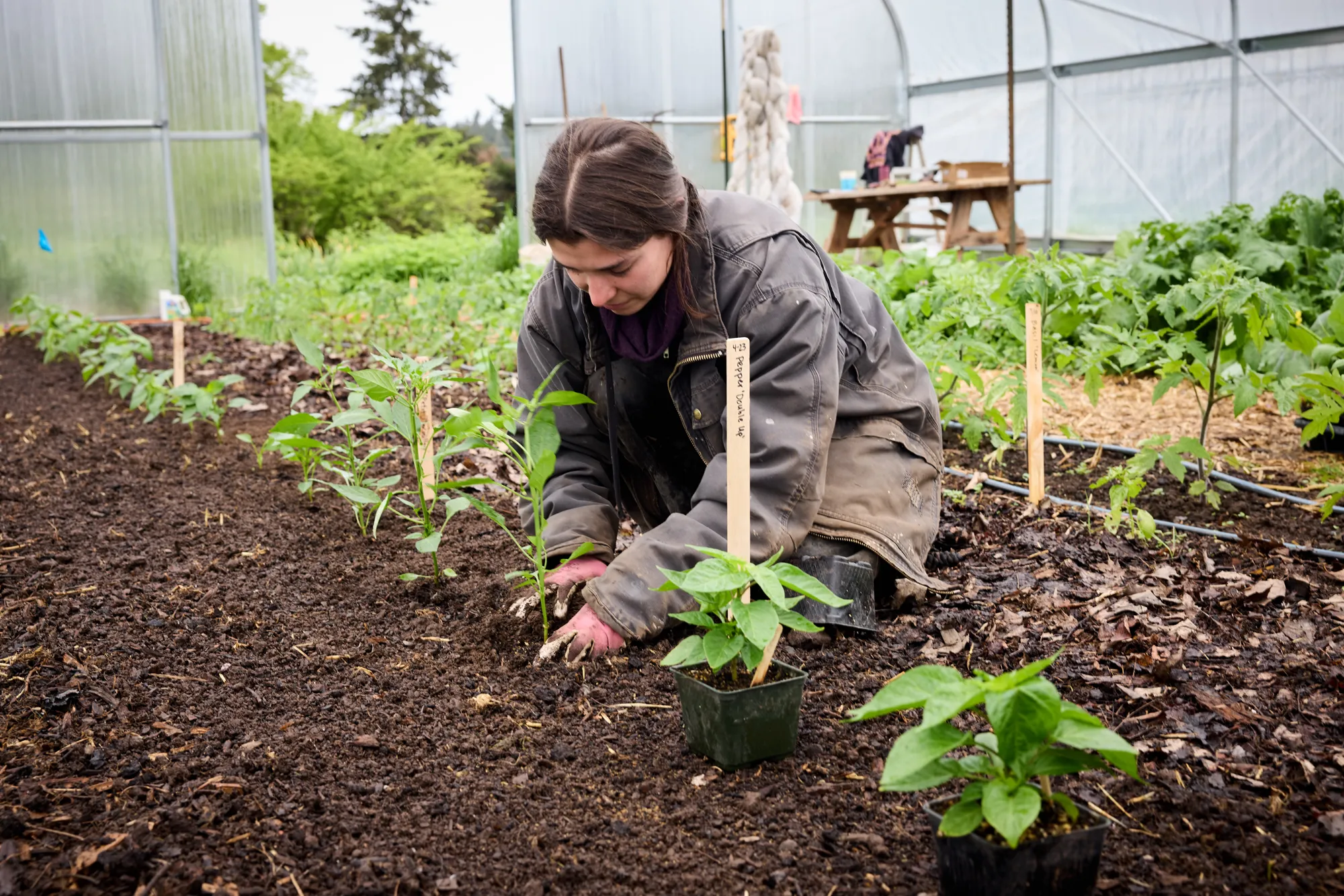
Growing complementary plants together, including insectary plants, supports native pollinators, beneficial insects, and greater biodiversity across the farm.
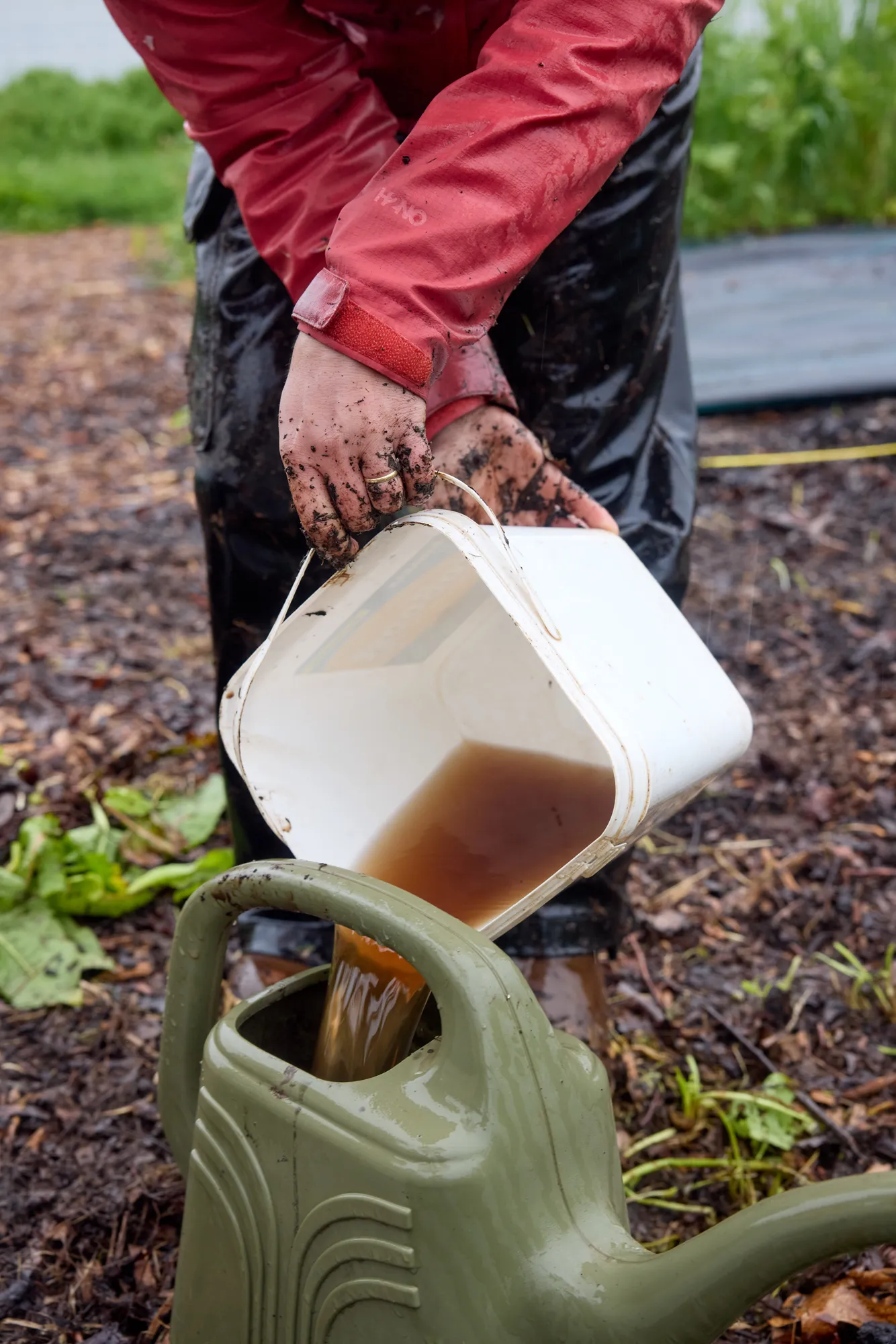
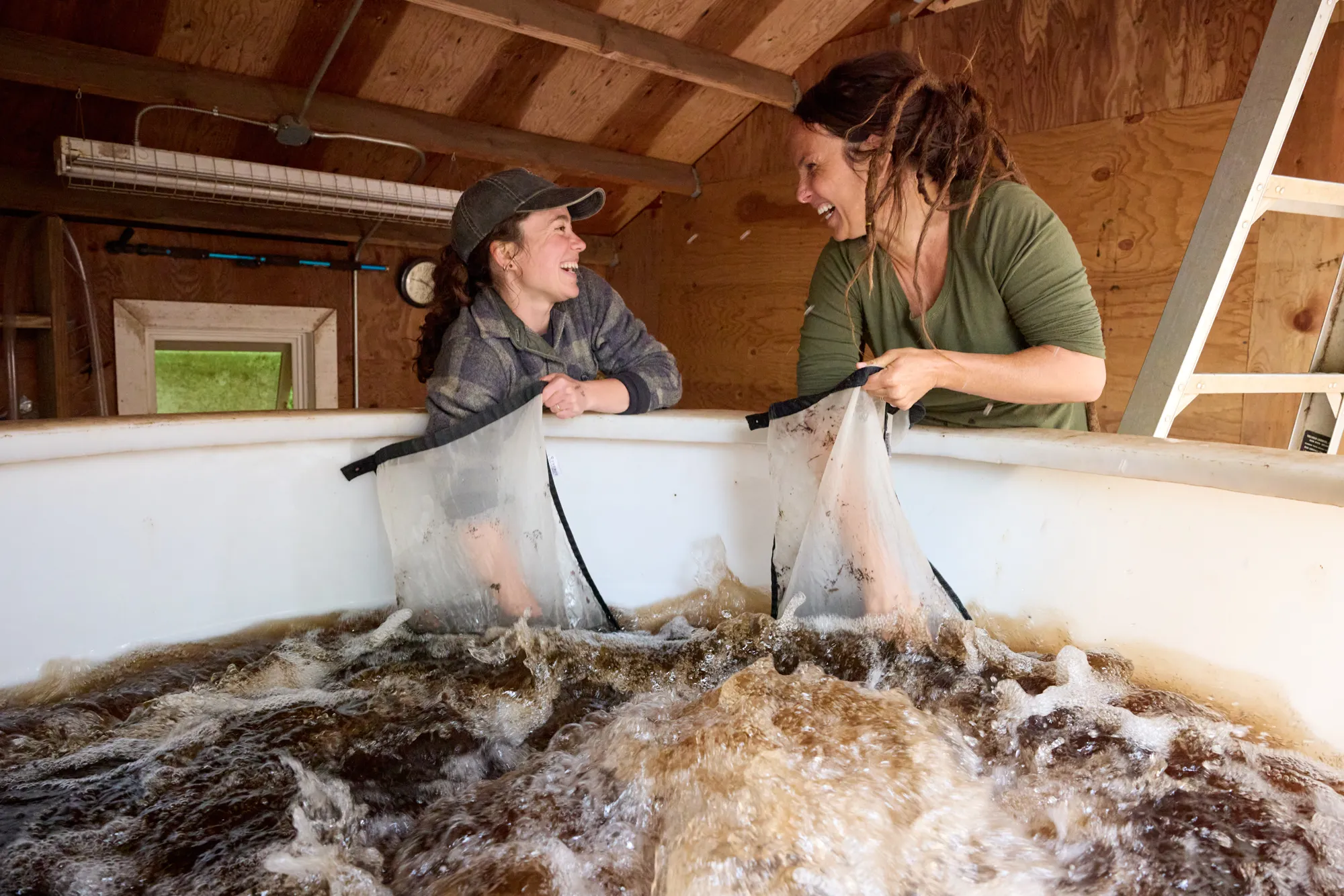
When well-made and properly applied, these preparations can help introduce and support beneficial soil microorganisms as part of a broader soil biology program.
Finished compost adds organic matter, improves soil structure, supports nutrient cycling, and increases the soil’s capacity to hold water and nutrients.
Biochar is a charcoal-like material made from biomass through pyrolysis. When matched to the soil, it can support nutrient retention, water-holding capacity, soil structure, and long-term carbon storage.
Reducing soil disturbance helps protect soil structure, fungal networks, earthworm habitat, water infiltration, and the aggregates that reduce erosion and compaction.
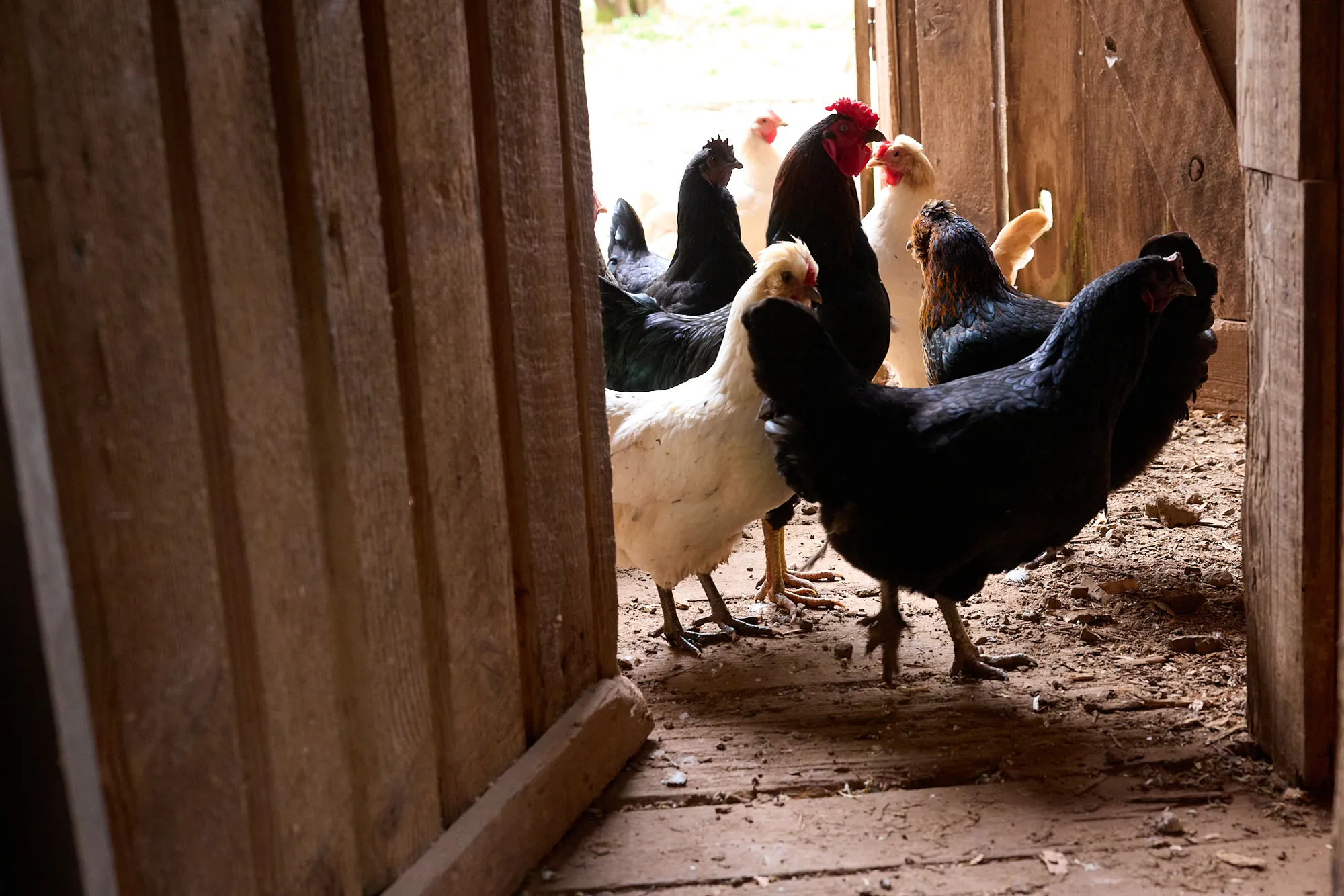
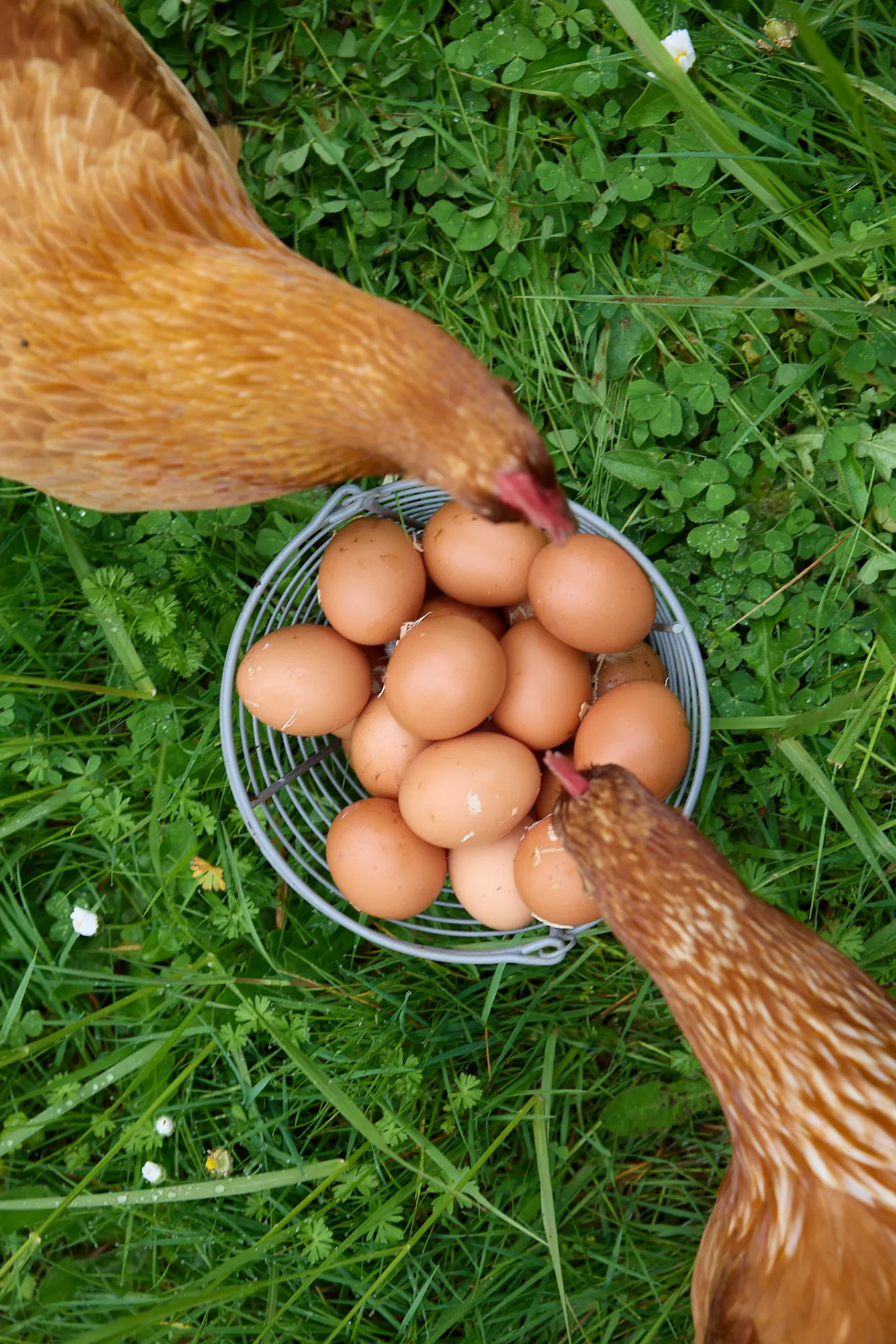
Thoughtful animal integration supports nutrient cycling, fertility, grazing management, and weed control while reconnecting plant, animal, and soil systems.
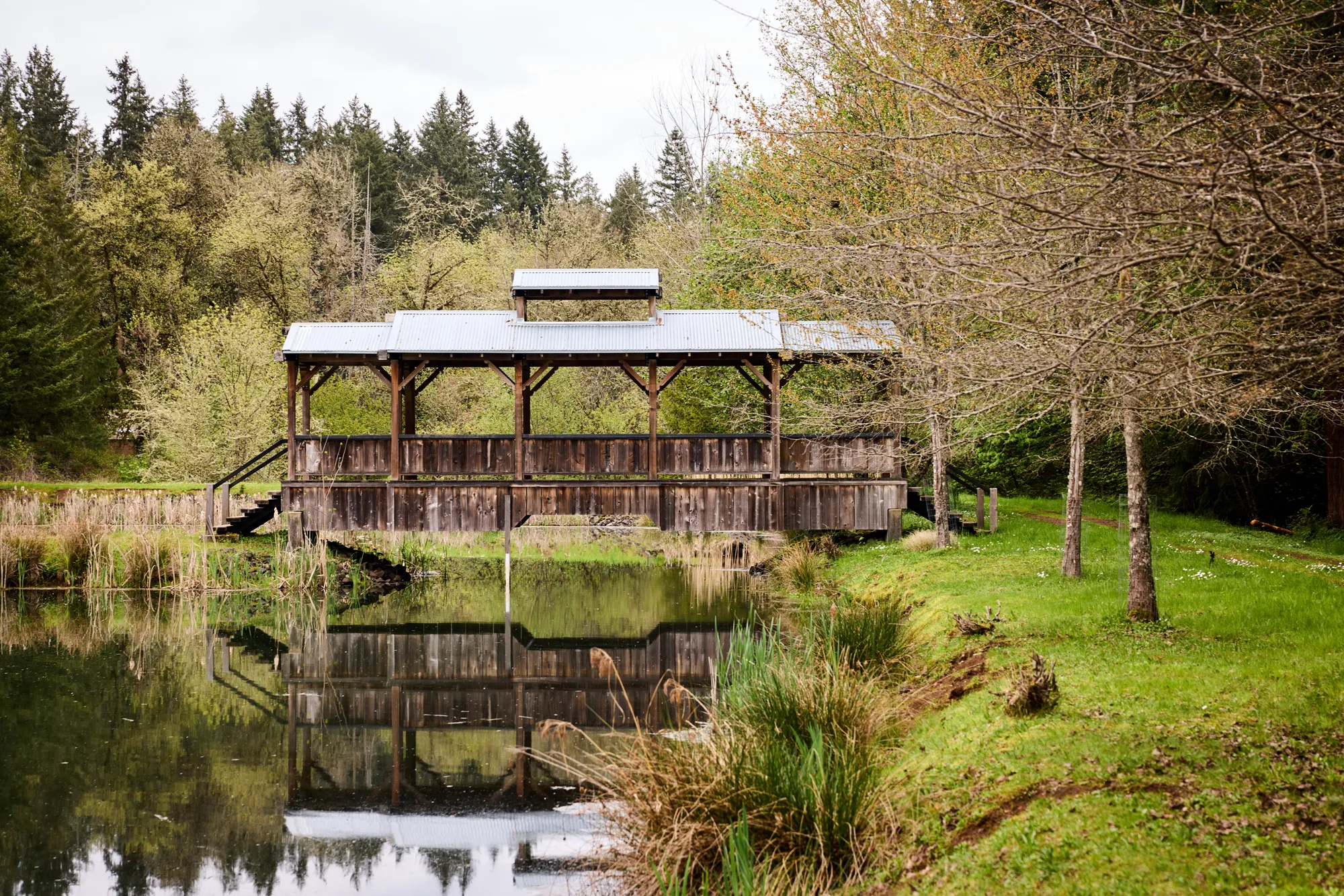
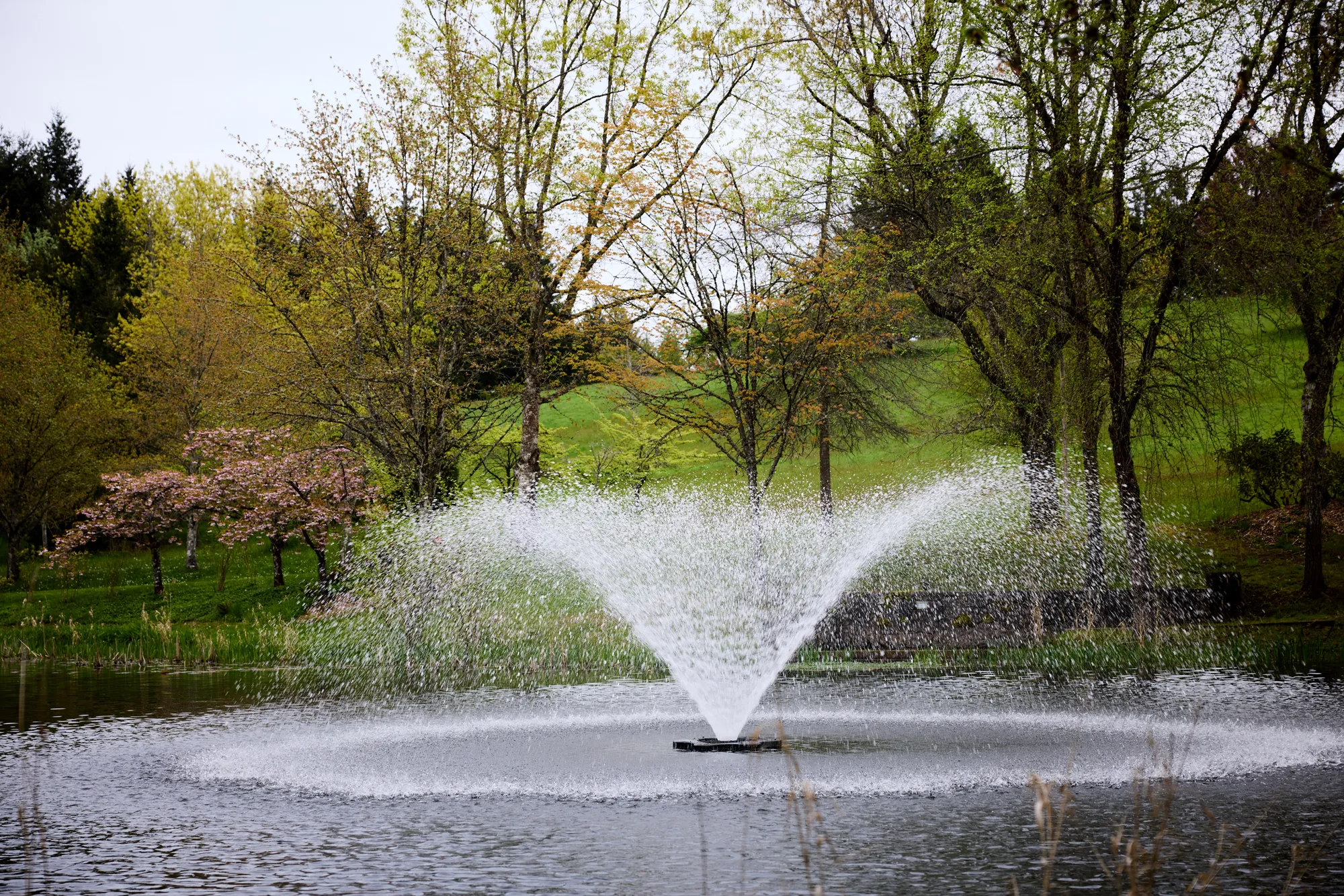
Ponds and other water-holding features help capture, store, and slow water on the land, supporting irrigation resilience, wildlife habitat, and a healthier farm water cycle.
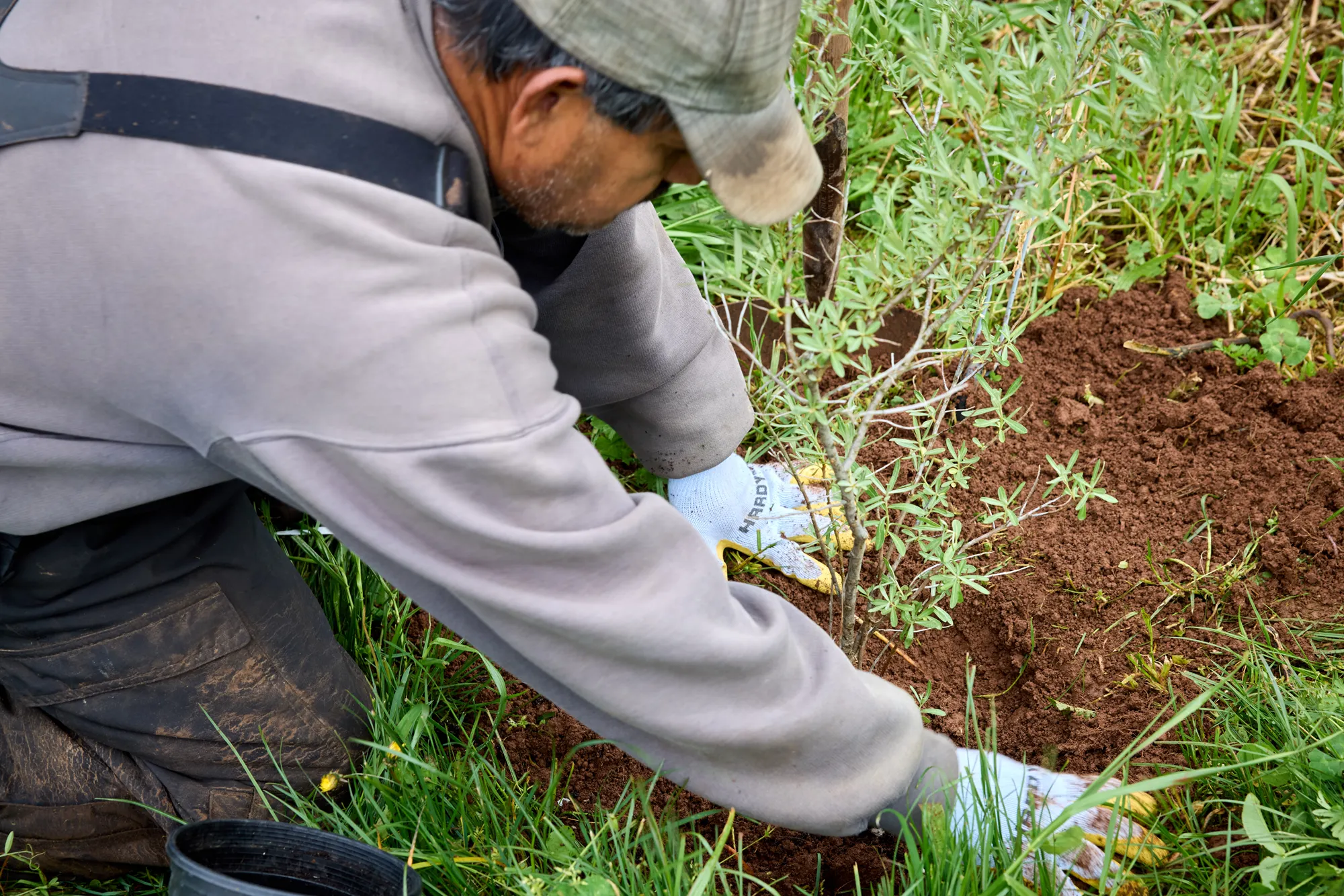
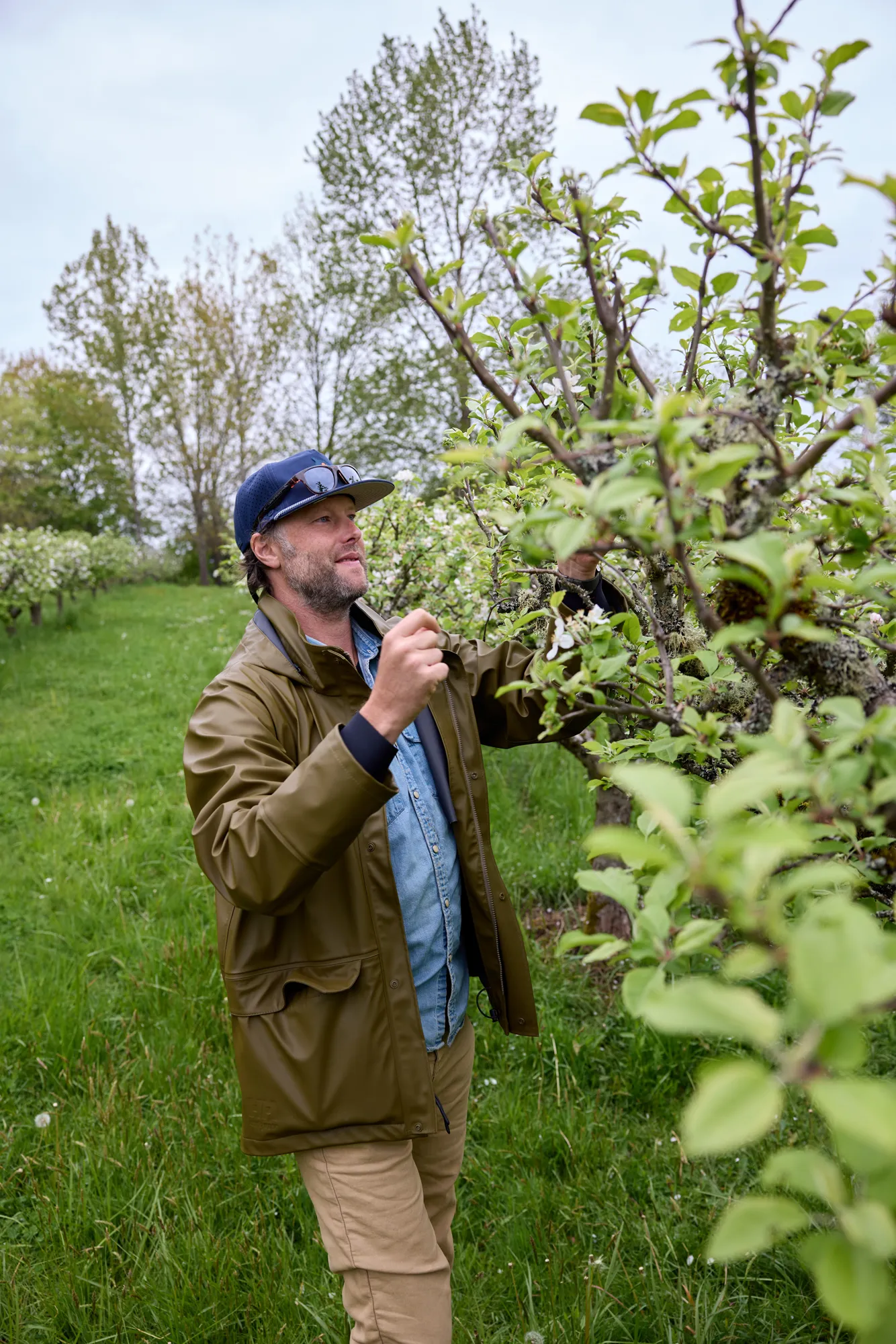
Integrating trees and shrubs into farm systems helps protect soil, improve water quality, increase biodiversity, create habitat, moderate microclimates, and diversify farm production.