The Land

Explore Acania

Left ArrowRight Arrow

A place where soil, farming, and people come together to grow good food and a better future.

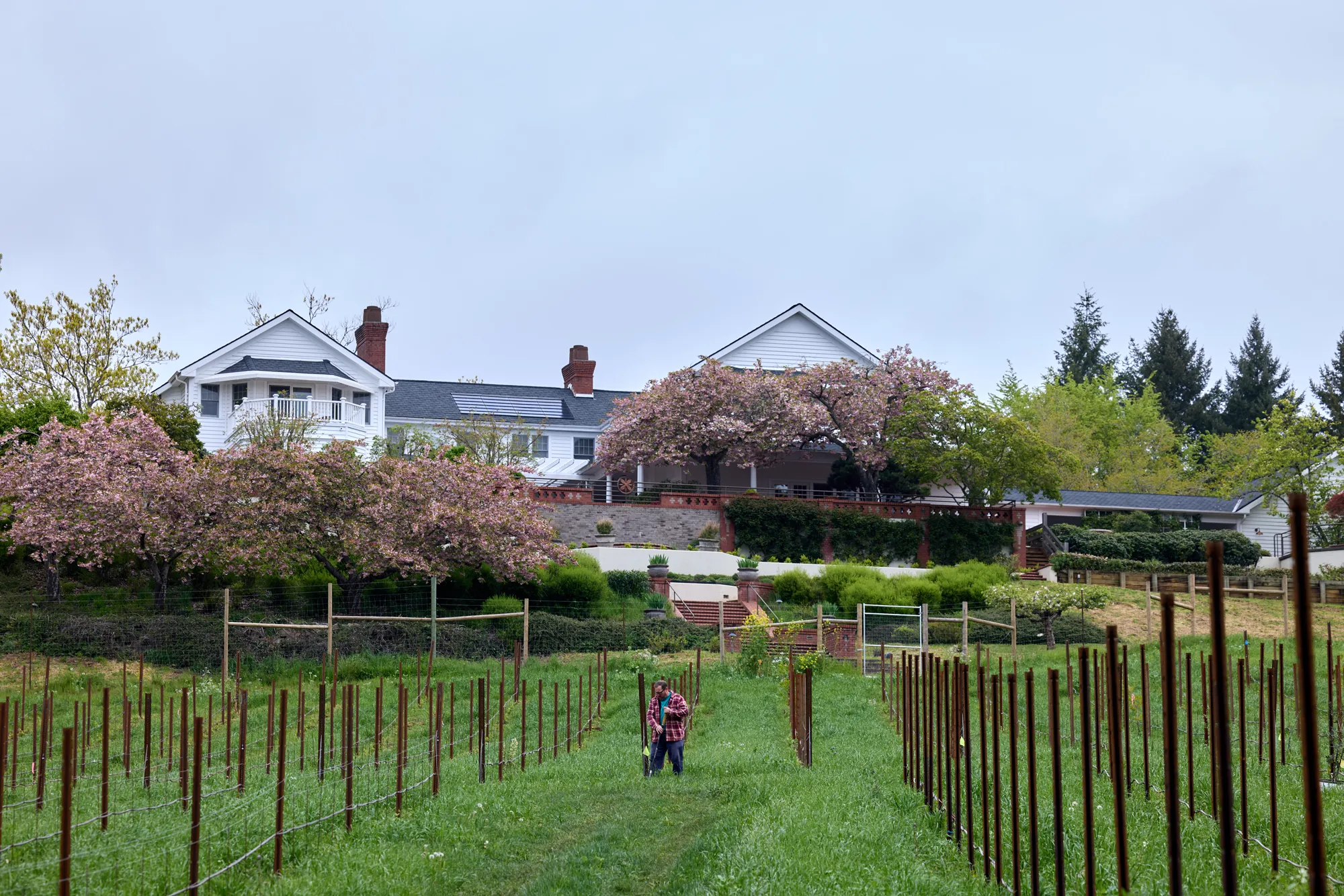
Acania is a 93-acre working farm in Helvetia, Oregon, where orchards, vineyards, gardens, and forest create a place to grow food, gather, and reconnect with the land. Everything we do is rooted in caring for the soil, because we believe healthy soil leads to better plants, better food, and a healthier life.

Acania is shaped by more than what grows here today.

Our farm is part of a larger living system: soil, water, vineyards, orchards, market gardens, forest edges, animals, pollinators, wildlife, and people all connected and shaping one another over time. Beneath that living system is an older story...

The lay of the land

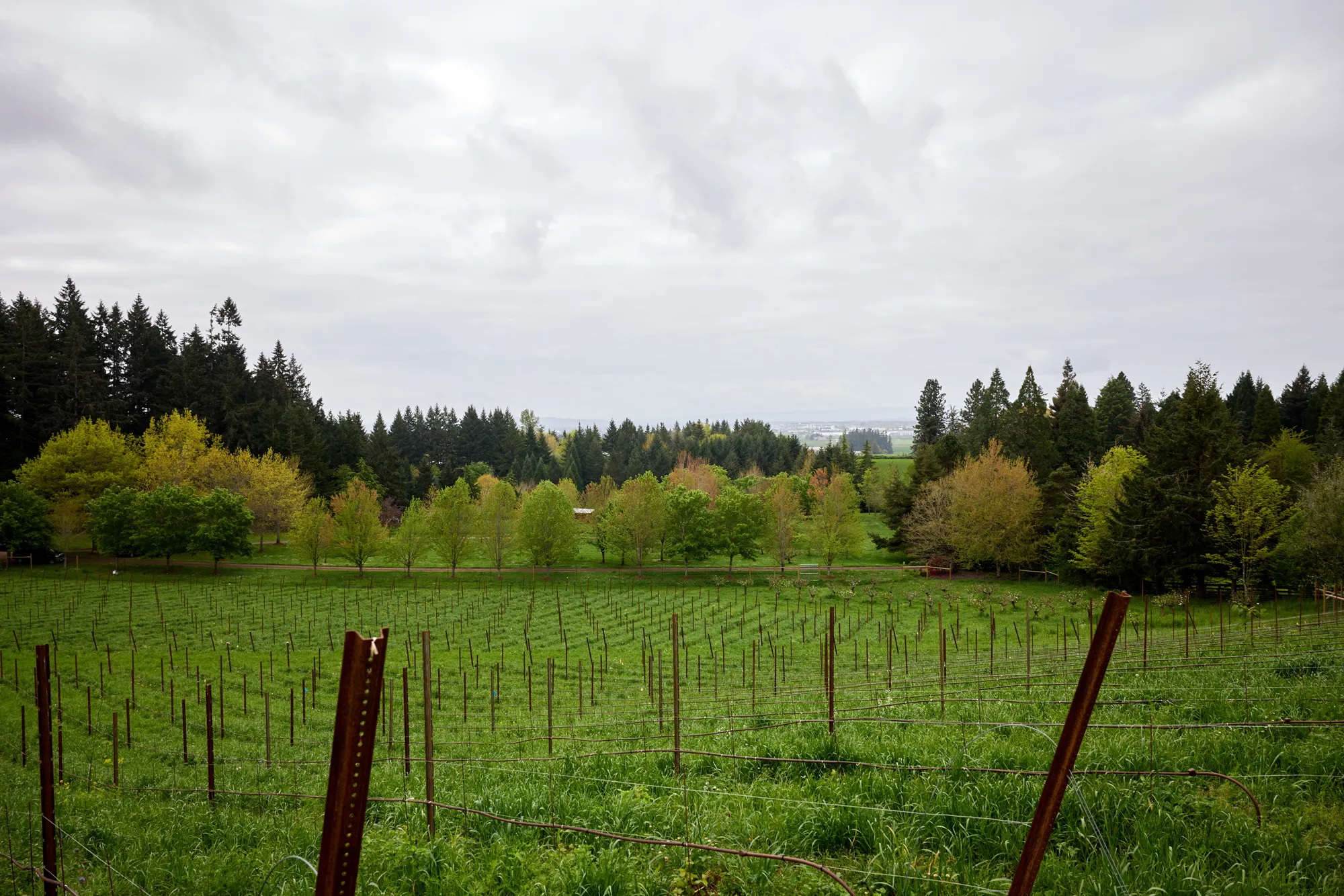
Our farm sits in a unique geographic pocket in the Willamette Valley, north of Chehalem Mountain and east of the Coast Range. Wind from the Columbia Gorge sweeps through fertile plains creating a distinct microclimate that is one of the coldest in the valley. This cool climate, combined with varied ecological habitats, allows us to cultivate a true polyculture where vineyards, orchards, and market gardens thrive alongside wildlife and farm animals.

The composition of Acania’s soil: 17 million years in the making

The character of our produce and wine is written in the geology of the land. Acania’s rare silt loam soil is the result of three massive geological events. Today, these layers create a mineral-rich foundation for our research into living soil, plant vitality, nutrient density, and long-term land health.

I.

The Basalt Flows

17 million years ago, the Columbia River Basalt Group blanketed the landscape in volcanic rock.

II.

The Loess Layers

Fine-grained, wind-blown silt (loess) from that same ancient basalt layered the land over millennia.

III.

The Missoula Floods

Between 13,000 and 15,000 years ago, cataclysmic floods razed the area, leaving behind deep alluvial deposits and colluvial basalt.

Take a Tour

I.

Market Garden & Trial Plots

Our real-world laboratory and field research station
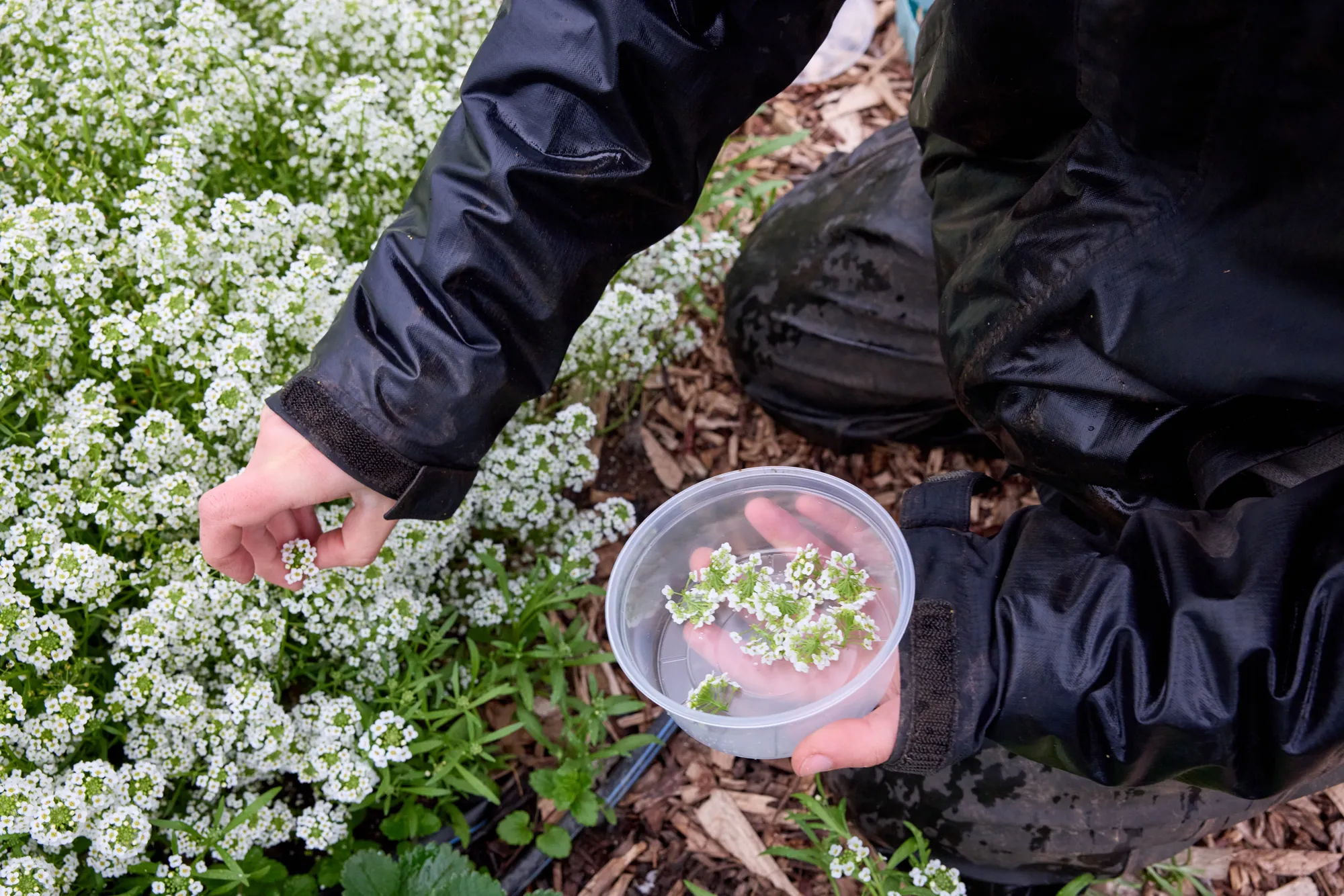
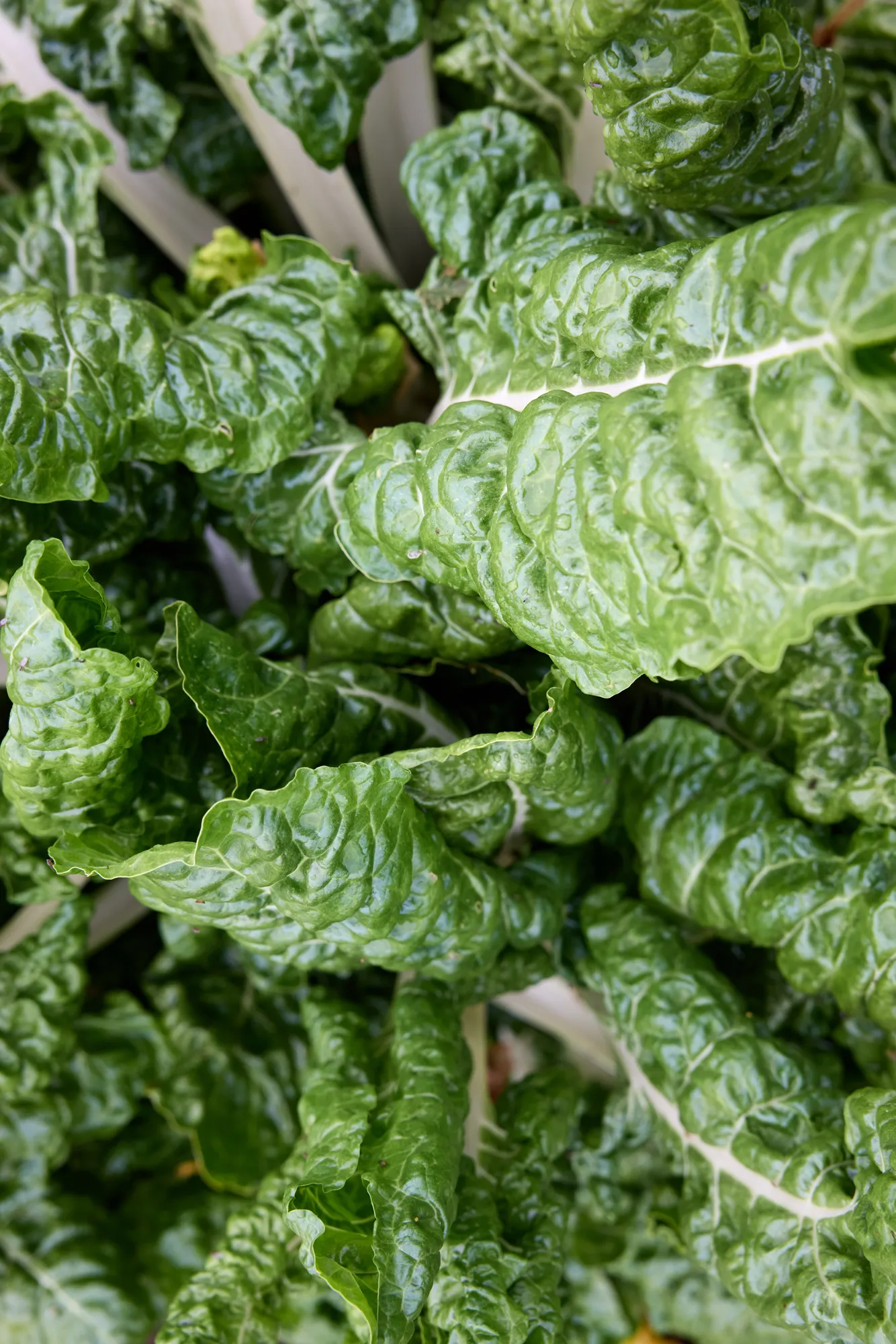
Our Market Garden is where we are running our soil health trial with side-by-side comparison crops grown in biologically active soil versus standard organic soil. We are looking for phytonutrients like polyphenols and flavonoids – the plant’s own defense system that provides vital nutrition to humans.

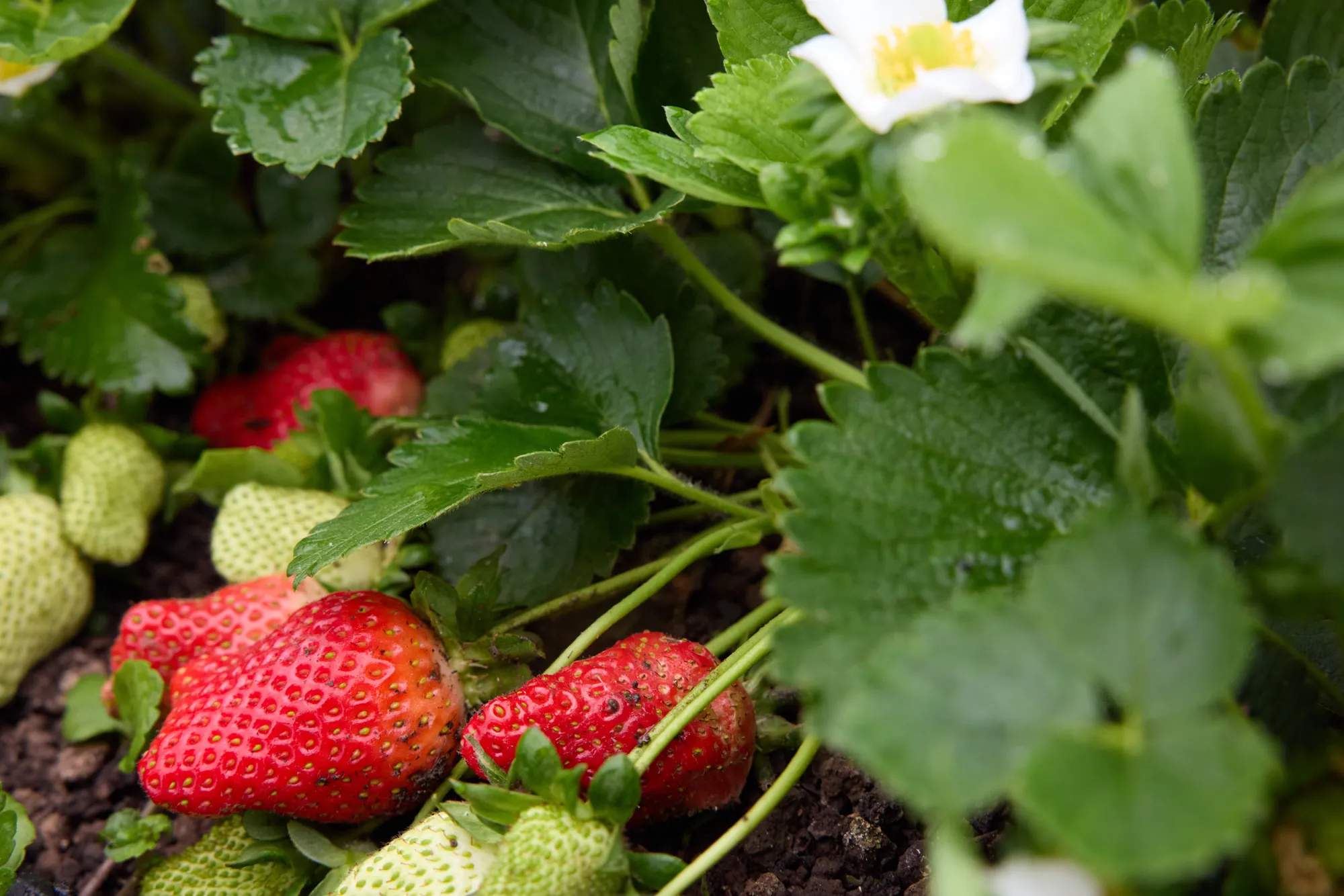
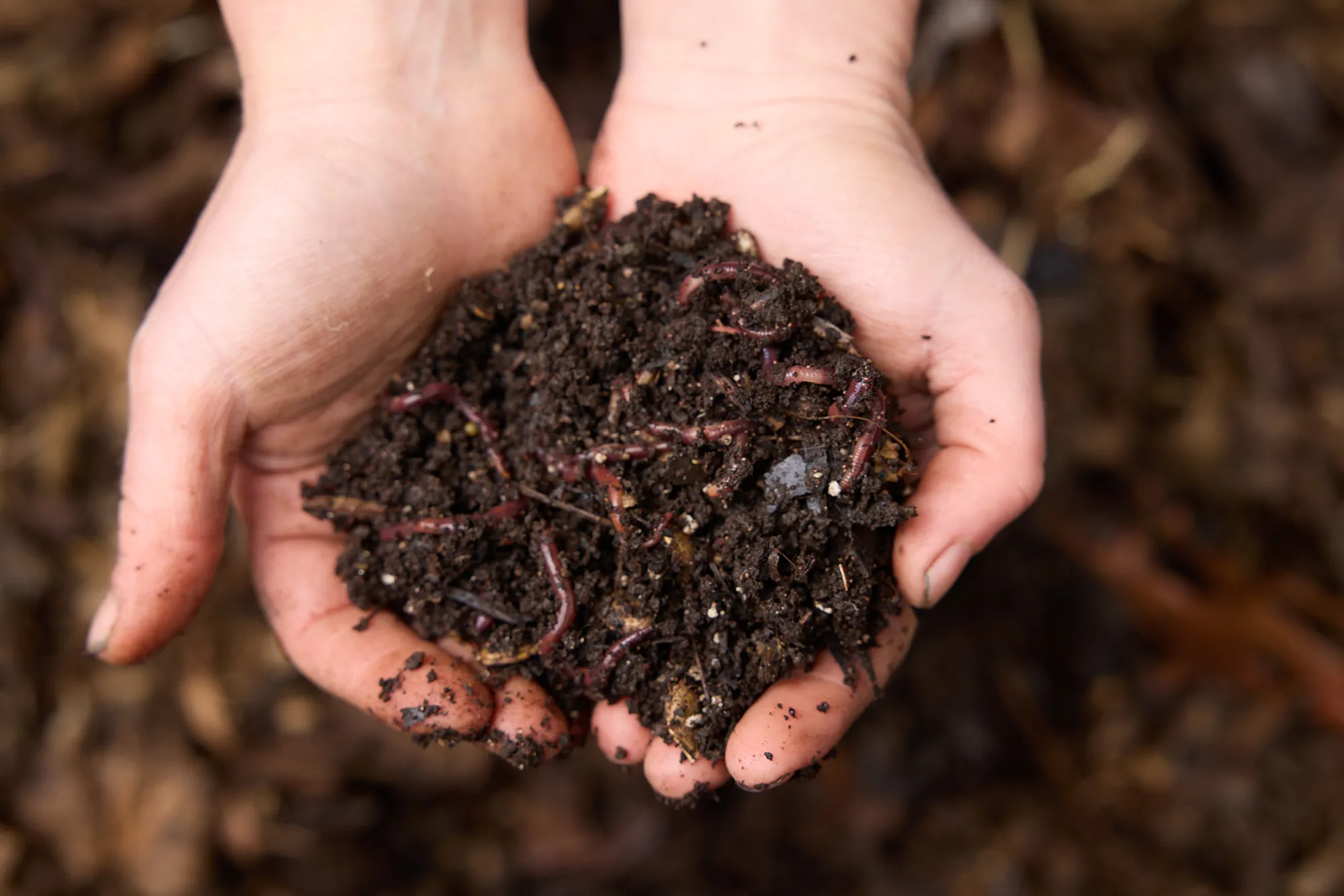
We foster a healthy plant/soil microbe/microfauna community through cover crop use, minimal soil disturbance, and farm-crafted compost. The garden is home to perennial fruits including blackberries, blueberries, raspberries, strawberries, cherries, and apples; flowers, native plants, and a wide range of vegetables and herbs. We even let the hens help by rotating throughout the garden, helping us manage soil fertility and pest pressure.
II.

Chicken Coop

Home to our hardworking crew
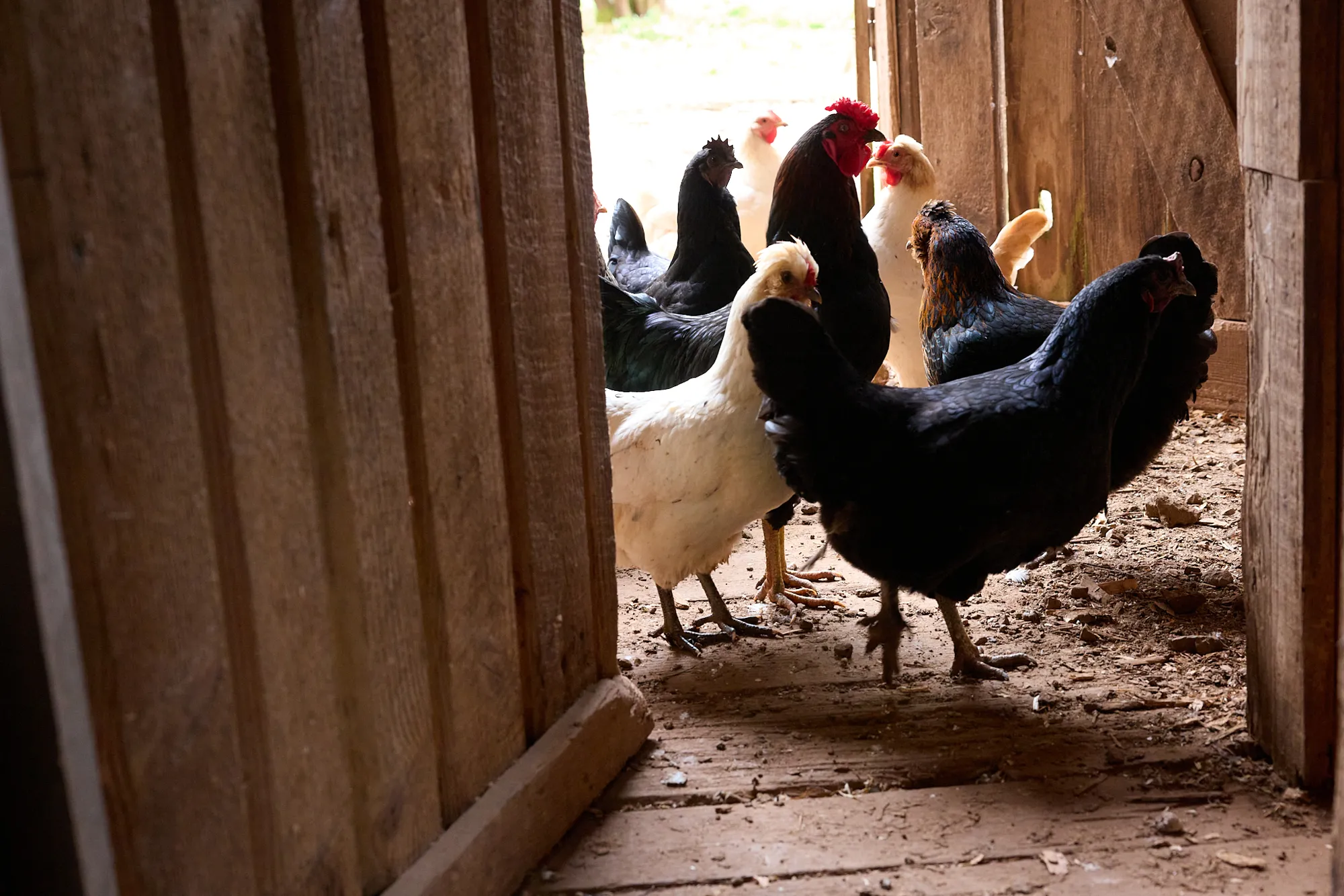
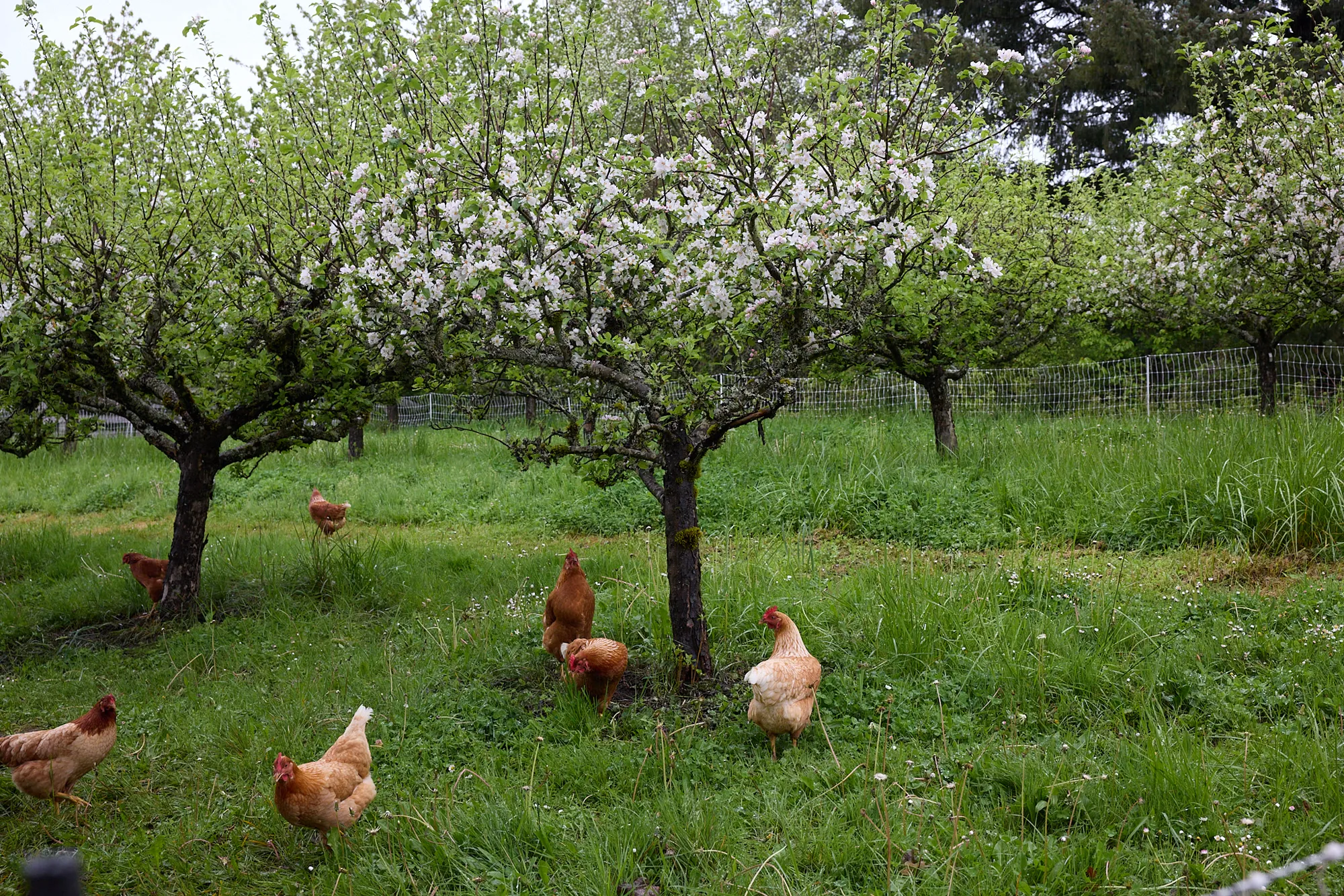
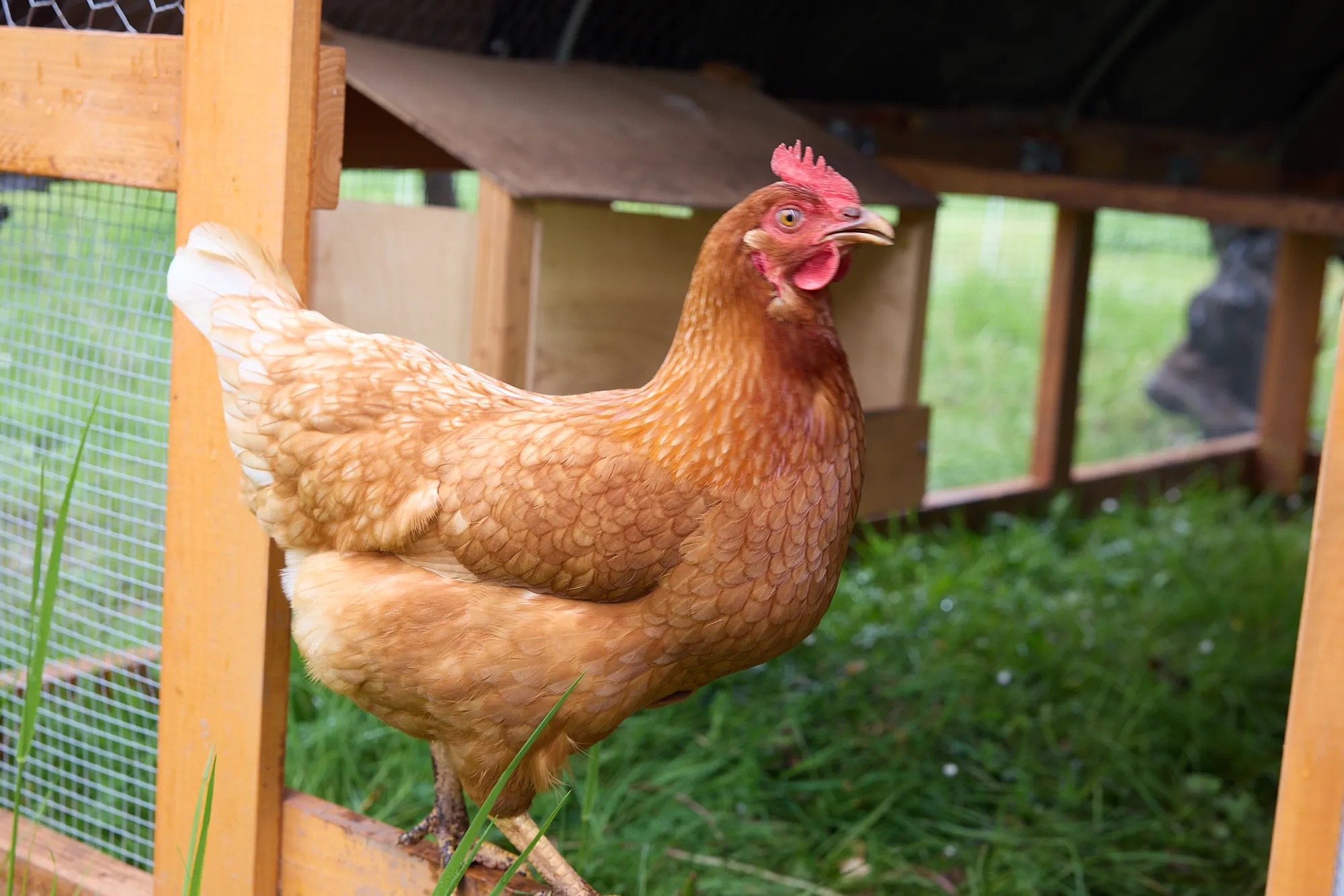
At Acania, our chickens are more than just a joyful presence – they are vital partners in our soil health mission. By acting as natural pest managers, living tillers, and high-speed composters, they help us close the loop on our ecosystem and ensure our land stays as vibrant and chemical-free as nature intended. Our “travel team" of hardy birds have mobile coops that make it easy to travel throughout the property.

Their mobile coops allow our team of hardy birds to rotate the property.
III.

Vineyards

Unearthing the link between soil health and superior flavor
Grapevines do more than grow fruit. Because their roots stay in the ground year after year, they help store carbon in the soil and build strong relationships with underground fungi that bring nutrients back to the plant. These fungal networks act as a natural extension of the vine’s roots to help our vineyard stay healthy and resilient, even through dry seasons.

At Acania, we study how caring for the soil improves the health of the plant and the quality of the fruit. The natural compounds (phytonutrients) that shape a wine’s flavor (think tannins, phenolic acids, and terpenes) are created by the vine in response to its environment. By supporting living soil, we help the vines do what they’re meant to do, resulting in wines with greater depth, character, and quality
Iv.

Trestle Parcel

Elevation: 320 – 380 Feet Above Sea Level
Aspect: South / Southeast
Our 10-acre Trestle parcel is the heart of our traditional viticulture. Spread across five distinct blocks, this land houses our Pinot Noir, Pinot Gris, Cabernet Franc, and Chenin Blanc vines. With a gentle southern exposure and mineral-heavy soil, these blocks provide the ideal conditions for our varietals to express the distinct, cool-climate complexity of the Tualatin Hills.
v.

Vitiforest Parcel

Elevation: 420 – 460 Feet Above Sea Level
Aspect: South
Acania is home to one of the first vitiforests in the United States. Rather than a traditional, monocrop vineyard, we are co-planting our grapevines with 21 different tree and shrub species selected for their soil benefit, superfruit polyphenol content, pollinator nourishment, culinary interest, and animal grazing benefits. Everything from Aronia and Elderberry bushes to Mulberry and Persimmon trees to Wild Lilacs. By bringing more life and biodiversity into the vitiforest, we are exploring how vines can thrive naturally, leading to healthier plants and fruit with greater depth and character.

We have selected varieties rarely seen in the Willamette Valley to test the limits of our unique terroir (yes we really talk like that) amidst a more extreme climate. Vines in one block of the vitiforest are trained high, an intentional design that allows sheep to graze the vineyard floor year-round, naturally managing the land and contributing to the soil’s biological life.
VI.

Polinator Garden

Creating a home for the tiny titans of agriculture
Pollinators are the unsung heroes of our food system. Bees, butterflies, and even bats help more than 80% of flowering plants reproduce, yet today, they are in danger due to habitat loss and pesticides.

At Acania, our regenerative practices ensure these essential creatures have a home. By providing food and protection year-round, we build a more resilient ecosystem that requires fewer human inputs to thrive.
VII.

Culinary Demo Garden

Regenerative growing on a small scale
You don’t need a massive farm to practice regenerative agriculture. Our Culinary Demo Garden is designed to show how high-impact, living-soil techniques can work in a backyard patch or even a windowsill.

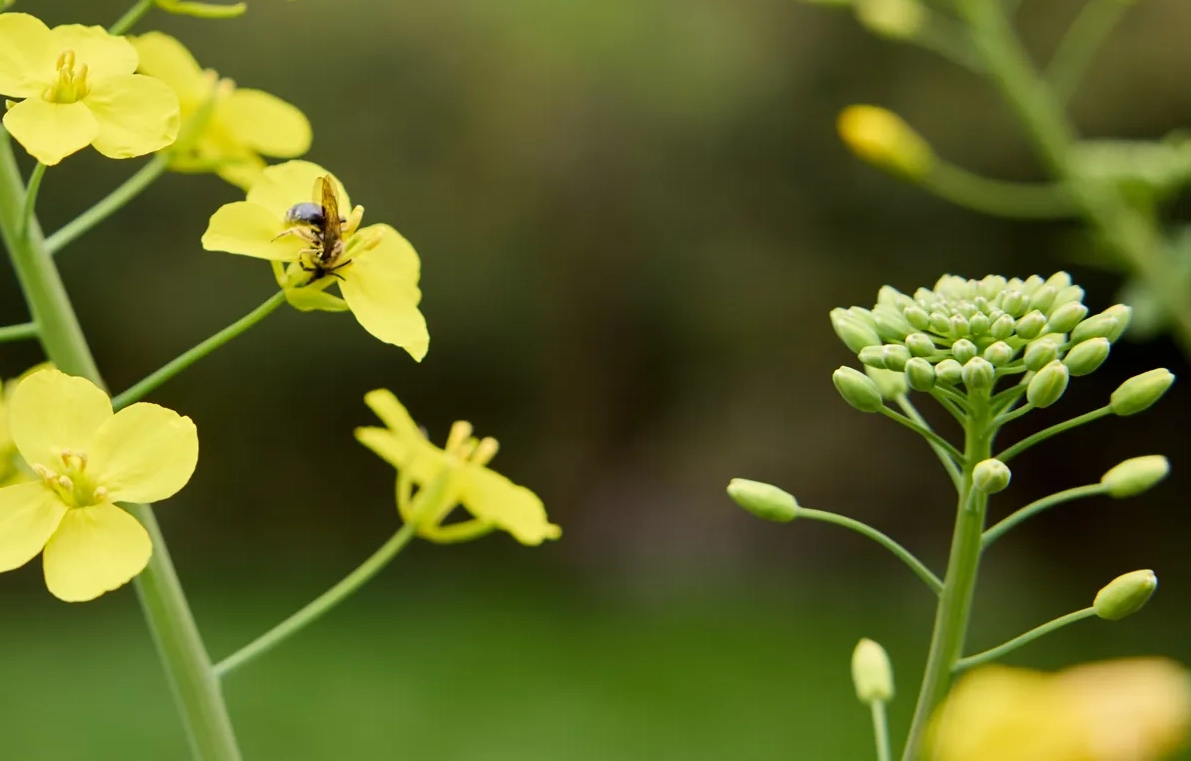
From lasagna bed layering and cruciferous pest deterrence to Johnson-Su bioreactors and vermiculture, we're exploring practical, nature-led techniques that turn everyday inputs into extraordinary soil.
VIII.

Herb Garden

Growing the plants we cook with and turn into medicine
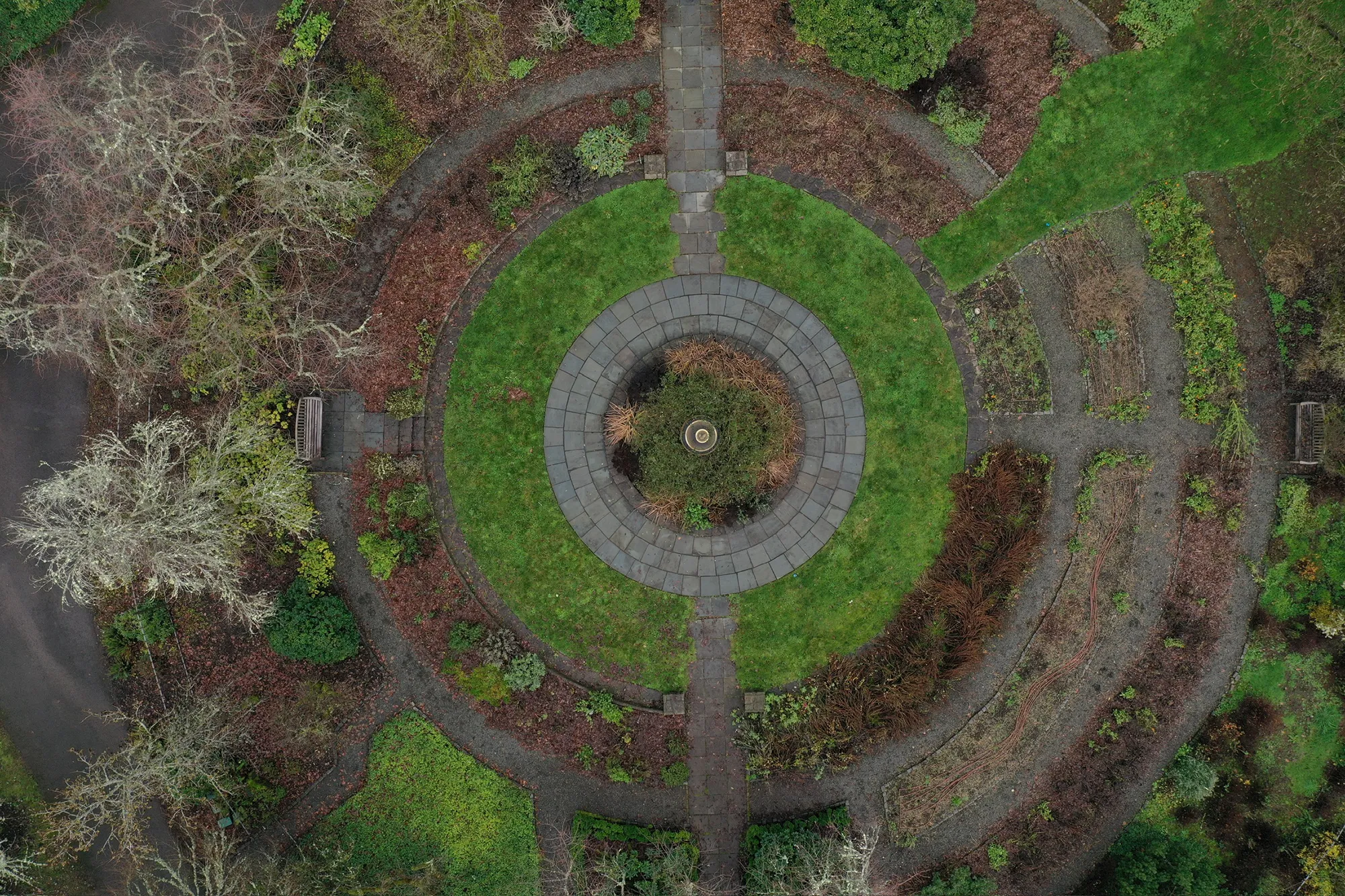
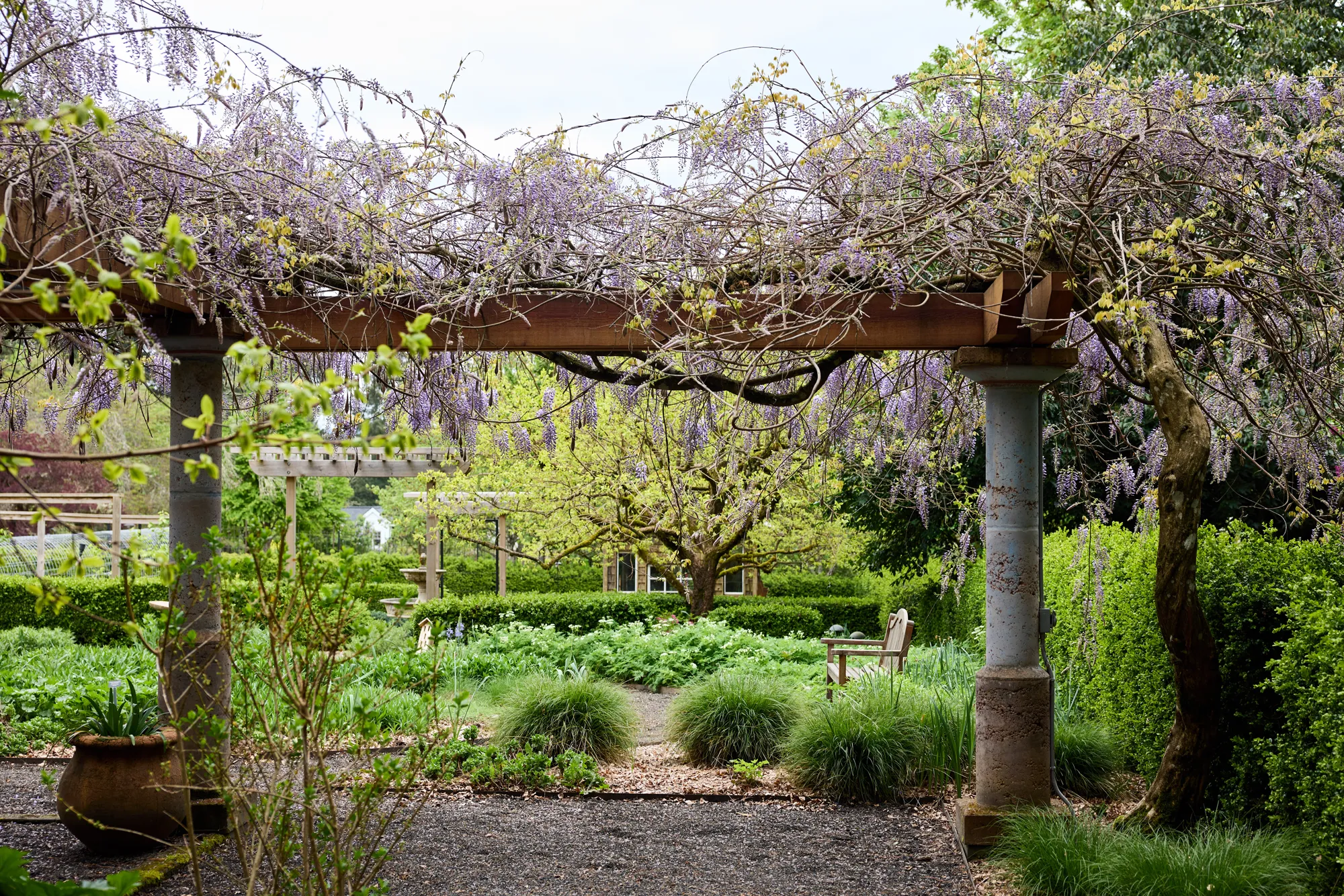
The herb garden is one of the most loved and useful places on the farm. It includes a perennial bed of culinary, aromatic, and medicinal herbs, along with rotating beds that change with the seasons.

Some plants are grown for the kitchen. Some are grown for teas, salves, infused oils, and other small-batch herbal preparations. Others are here because they smell beautiful, support pollinators, or invite people to slow down and pay closer attention.

This garden is part learning space, part working garden, and part apothecary. It gives us a place to grow, observe, harvest, and deepen our relationship with the plants we use in everyday life.
IX.

Pond Habitat

A vital source of life on the farm
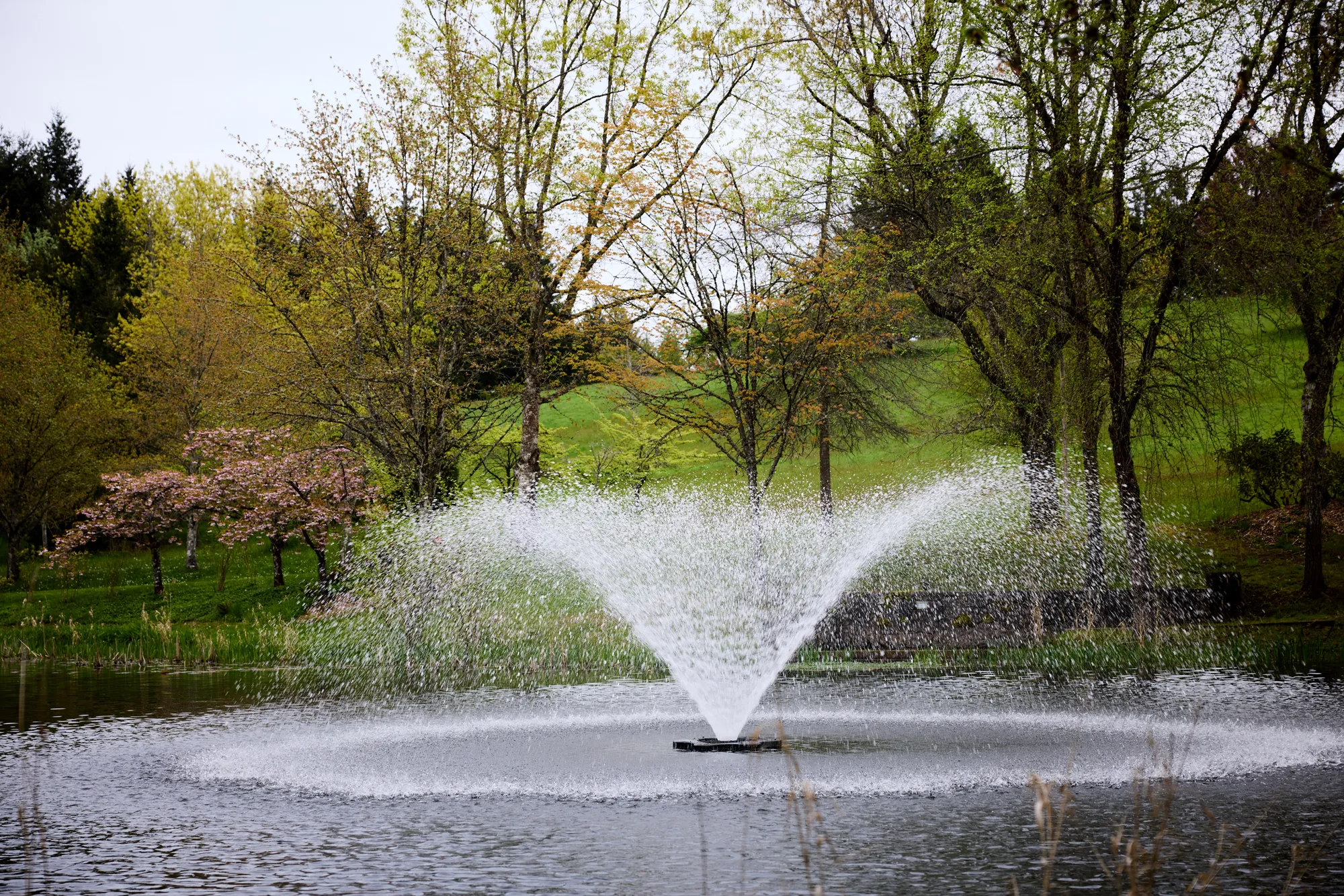
The Acania pond is part of the farm’s living water system. It supplies irrigation across the property while also supporting wildlife, soil moisture, and the larger ecology of the land.

Fed by an agricultural well and rainwater from the surrounding landscape, the pond helps connect the health of the soil, plants, animals, and farm as a whole. Rather than relying on harsh treatments, we support pond health through aeration, beneficial microbes, barley straw, and careful attention to the biological activity in and around the water.

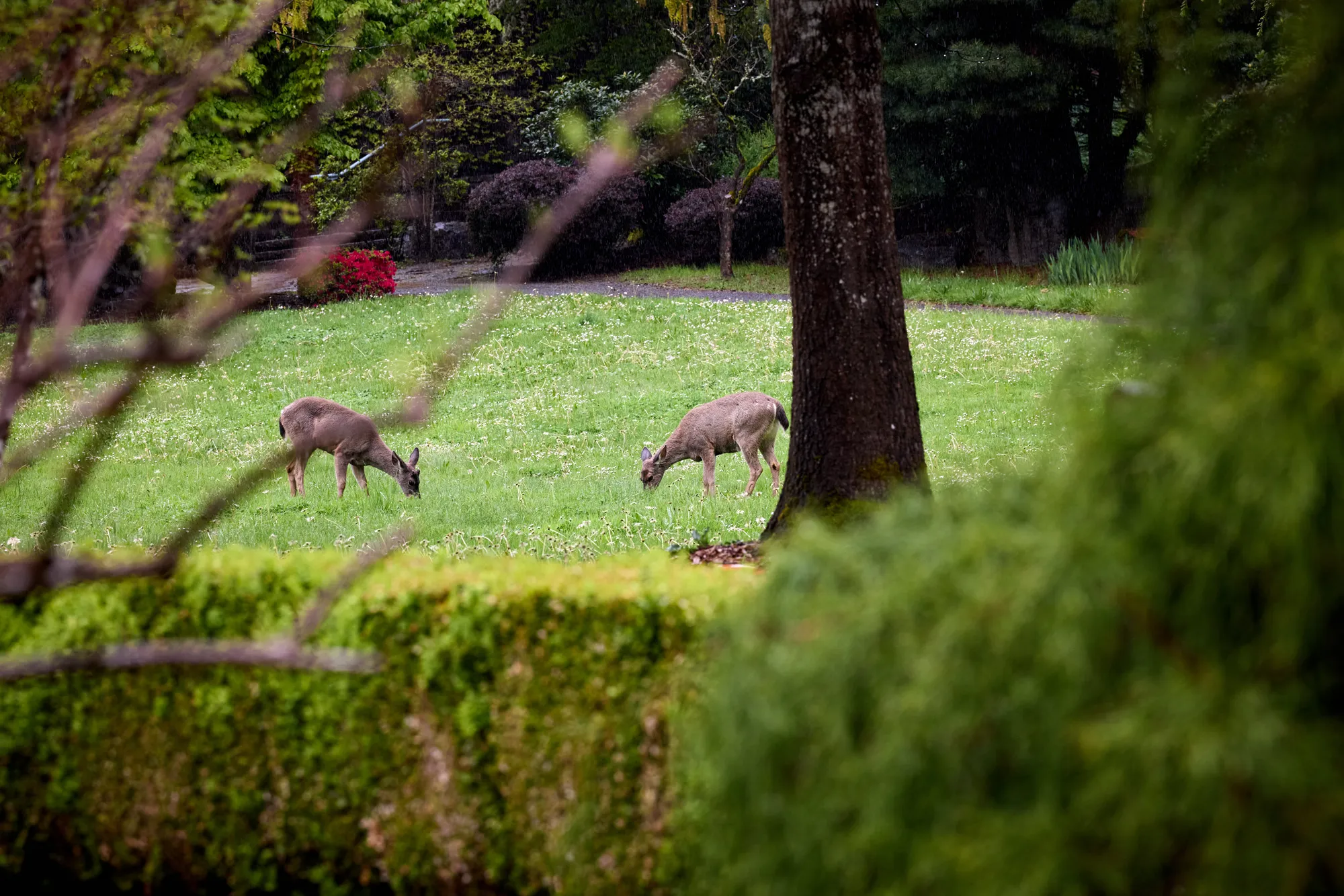
Beavers, turtles, salamanders, bass, birds, and insects all make their home here. Their presence helps us observe the health of the habitat and the vitality of the water system. The pond reminds us that a farm is not only a place of production. It is a living system of relationships, and when the water is cared for, the whole place benefits.
X.

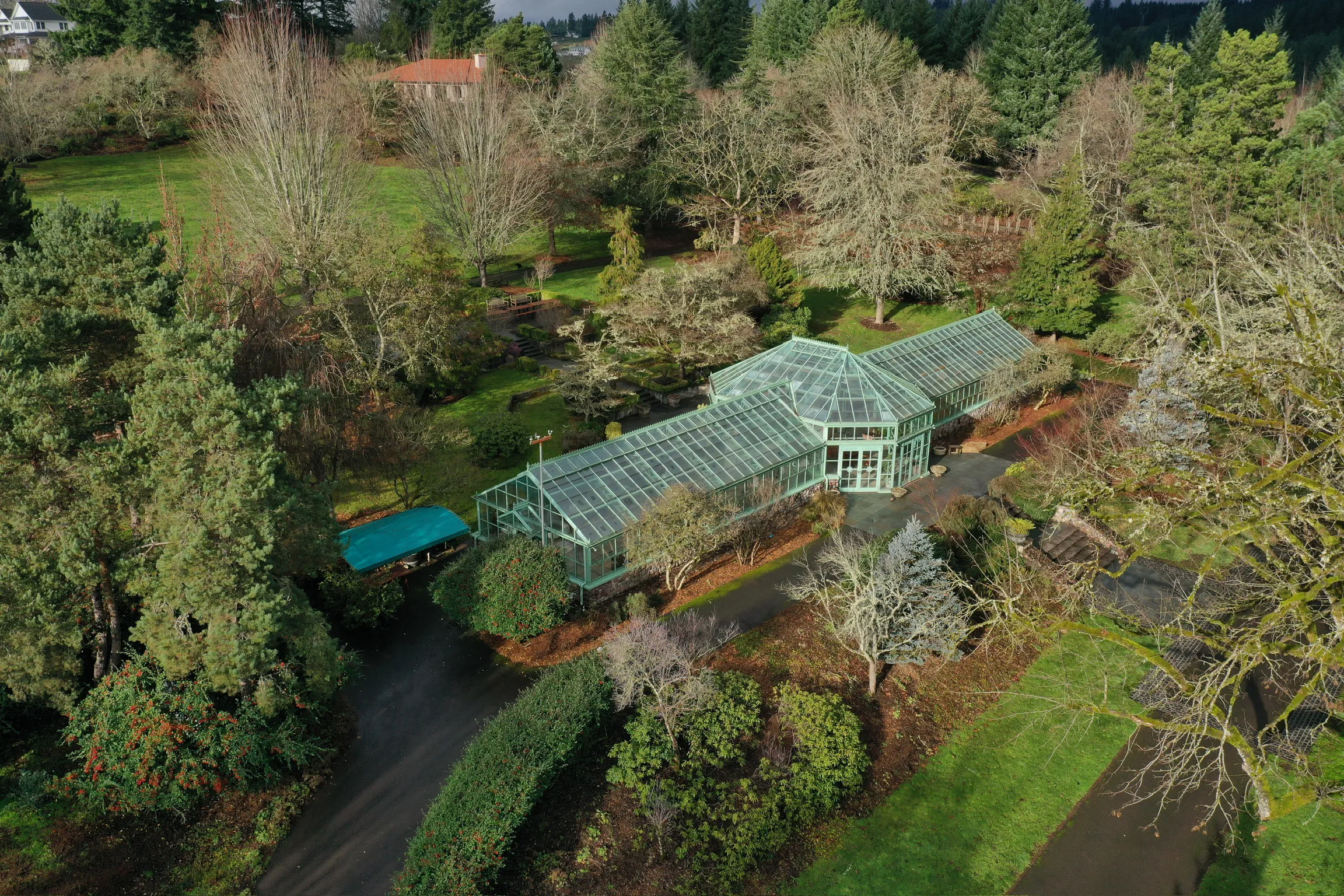
Greenhouse

Where the growing season begins
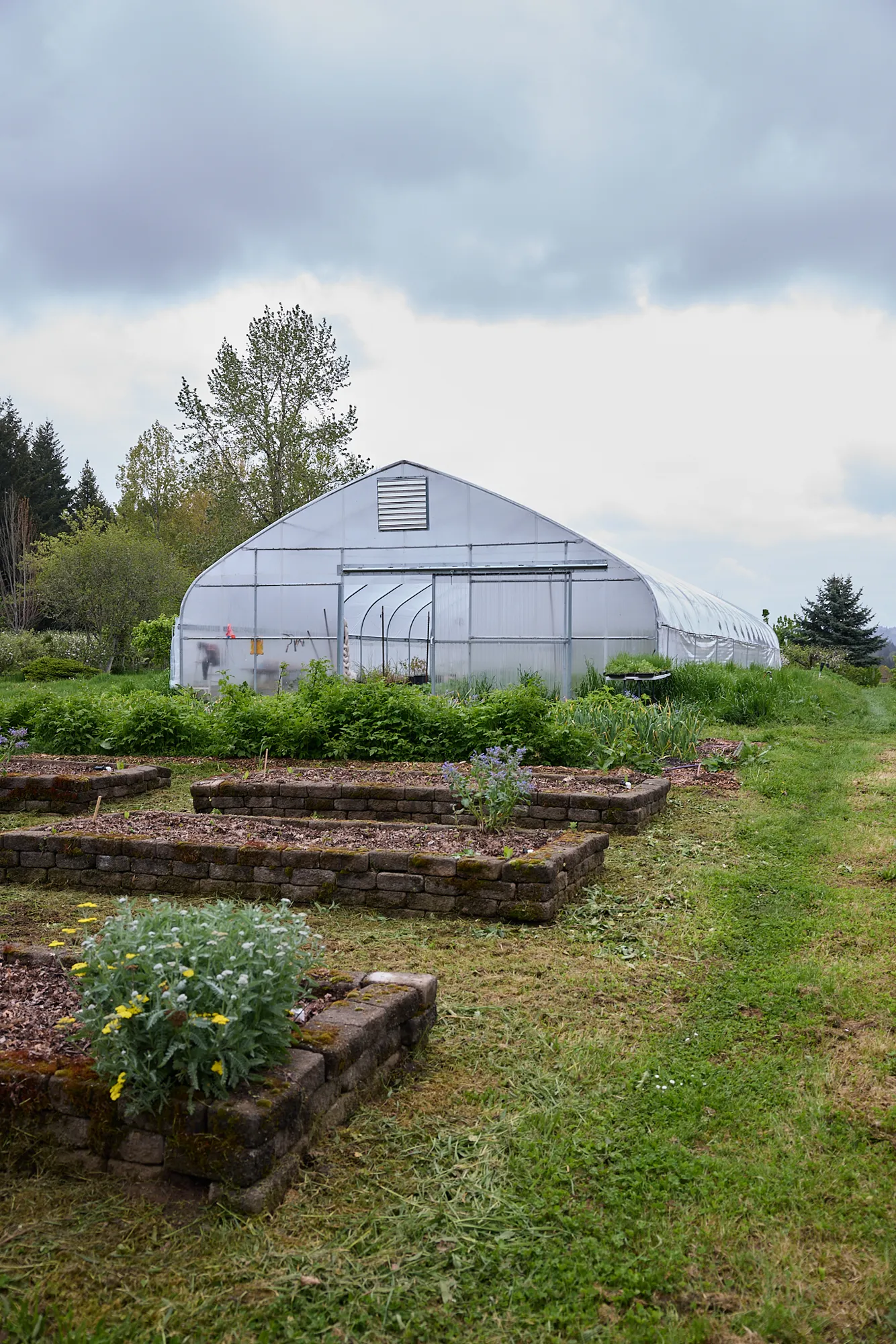
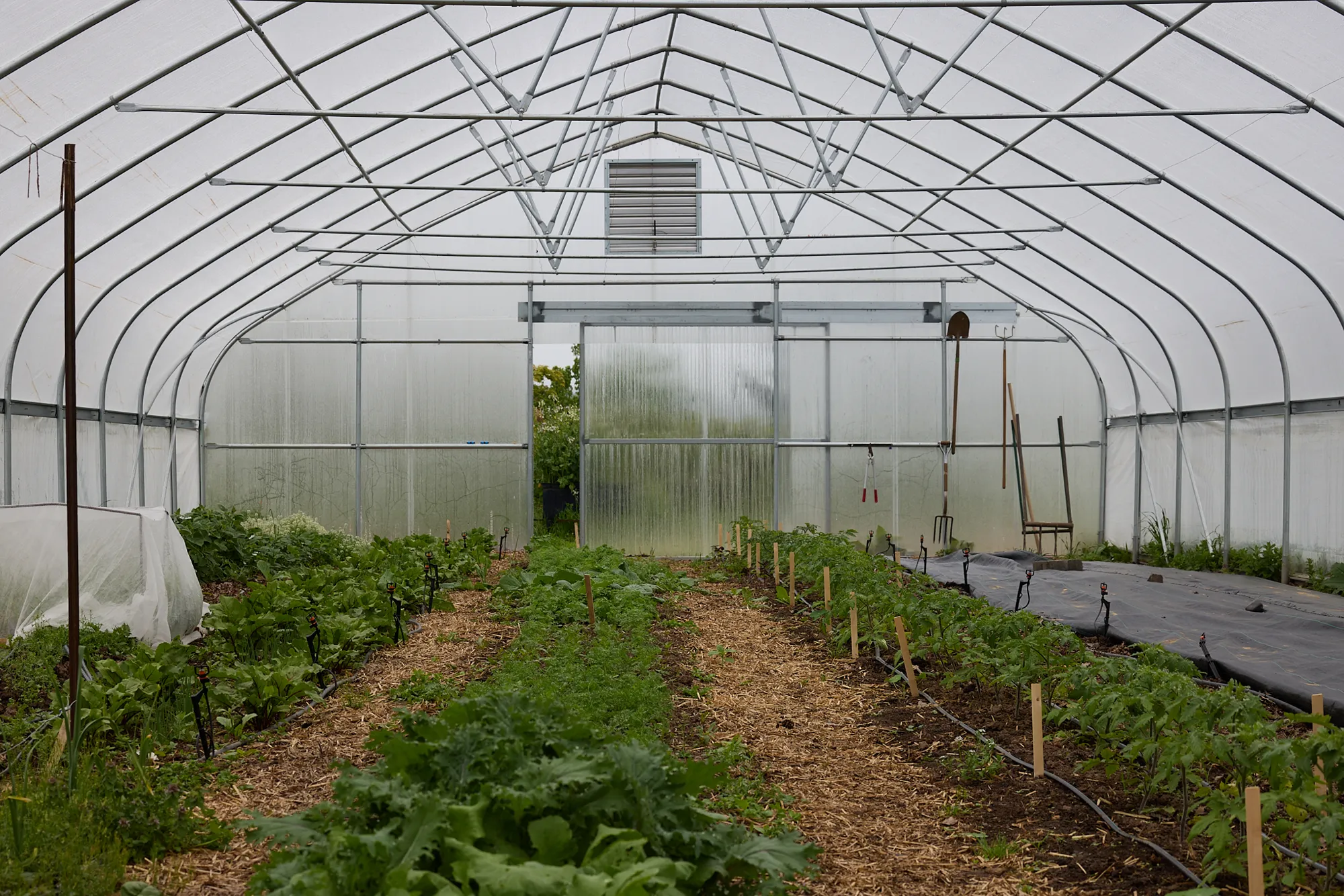
The Acania greenhouse conservatory helps extend the farm’s growing season and supports the early stages of plant life on the property.

In late winter and early spring, the heated south wing is used for seed starting, giving young plants the warmth, light, and protection they need before they are moved into the gardens and fields. This space allows us to begin the growing season with care and attention, even while the weather outside is still cold and unpredictable.

The conservatory is both beautiful and functional. It supports propagation, plant observation, and seasonal growing, while helping bridge the quiet winter months and the active planting season.
XII.

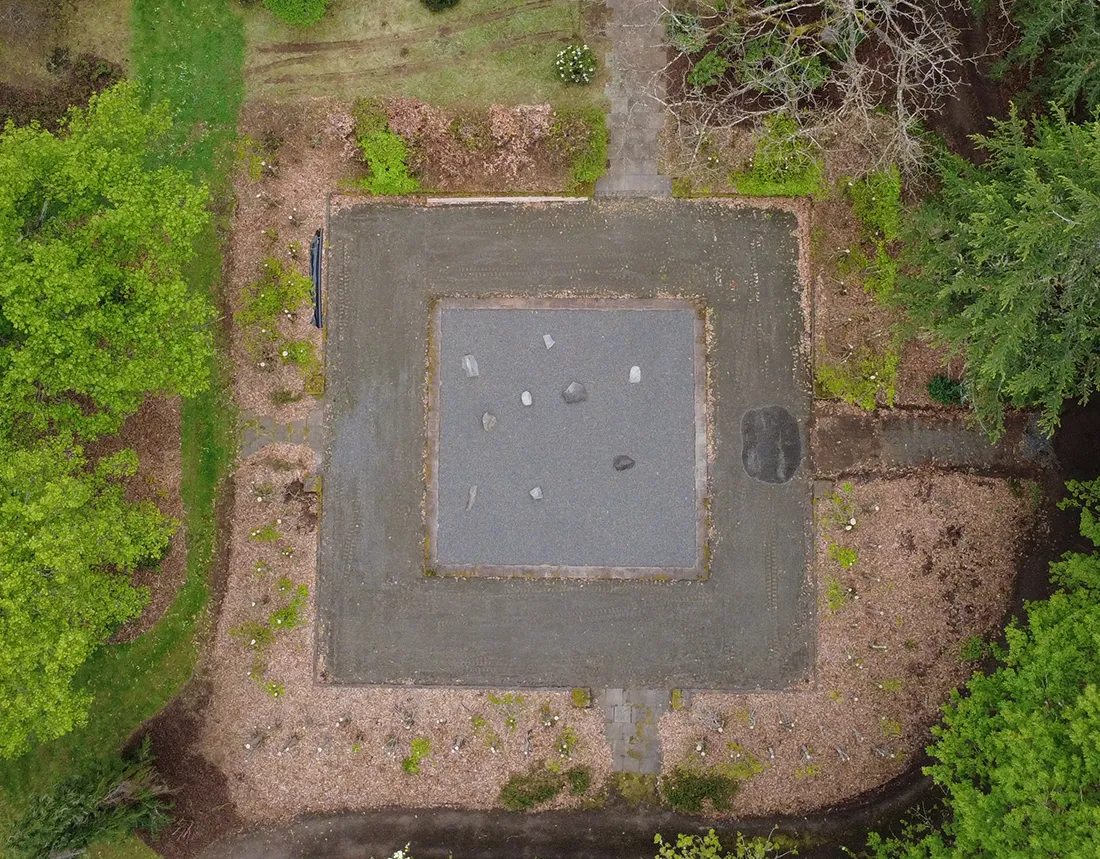
Stone Garden

A quiet place to pause
The Acania Stone Garden is a quiet mineral landscape made with local basalt and gravel. Inspired by traditional Japanese karesansui gardens, it offers a place of stillness within the movement of the farm.

The garden also reflects the geology of the Willamette Valley, including the ancient Missoula Floods that helped shape this land. The stones are set low and partially buried, giving the feeling that they were revealed rather than placed.

The raked gravel is part of the garden’s care. It changes with weather, footsteps, and time, reminding us that even stillness is alive.
Healthy soil supports healthy communities

At Acania, stewardship means caring for the land in a way that supports both present and future generations. We are investing in regenerative systems rooted in soil health, habitat, thoughtful infrastructure, and long-term relationships, so this farm can become a lasting source of nourishment, learning, and care for generations to come.

We’re growing for other growers.
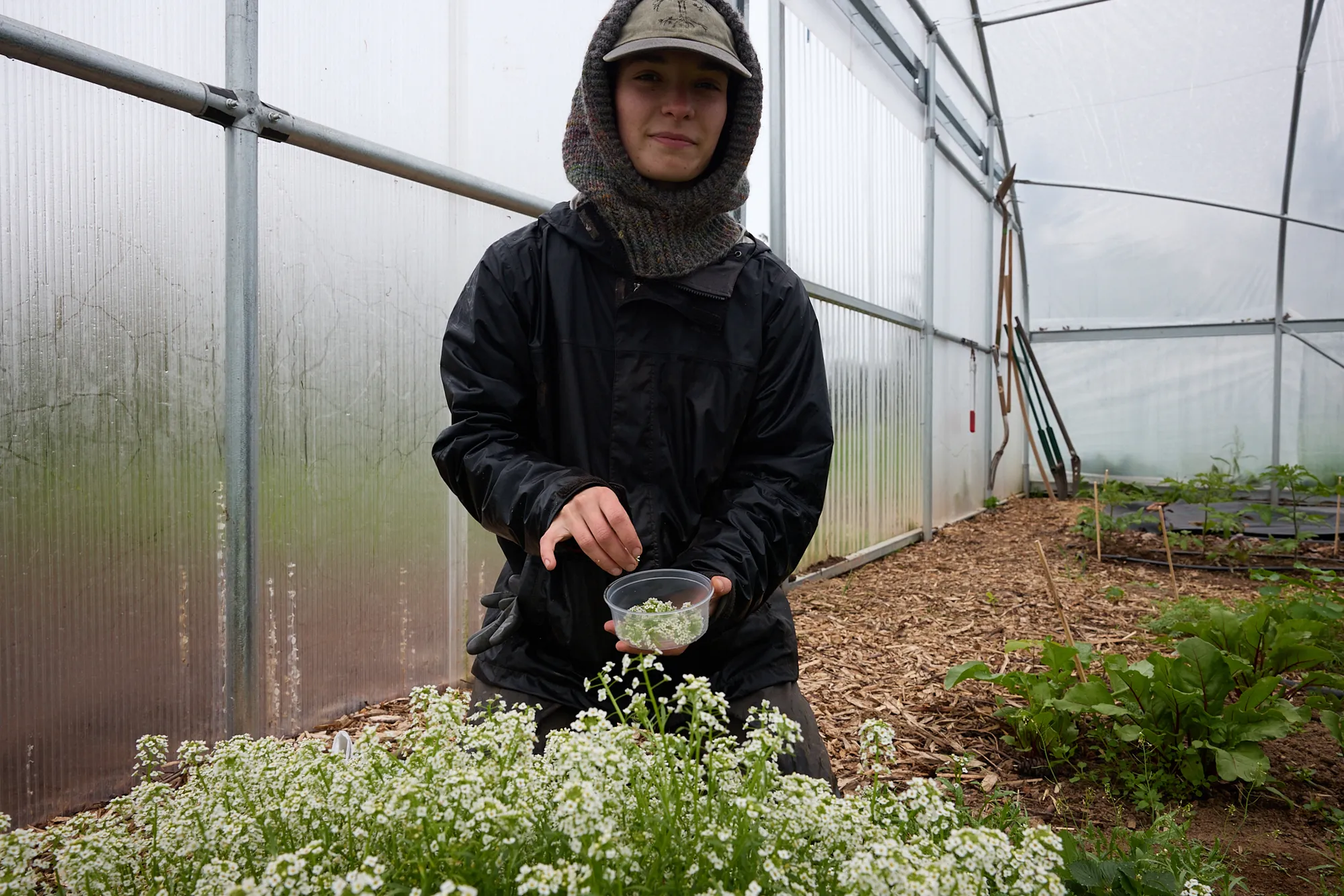
We measure, observe, and adapt while collaborating with soil consultants and experienced growers.

We’re growing for our community.
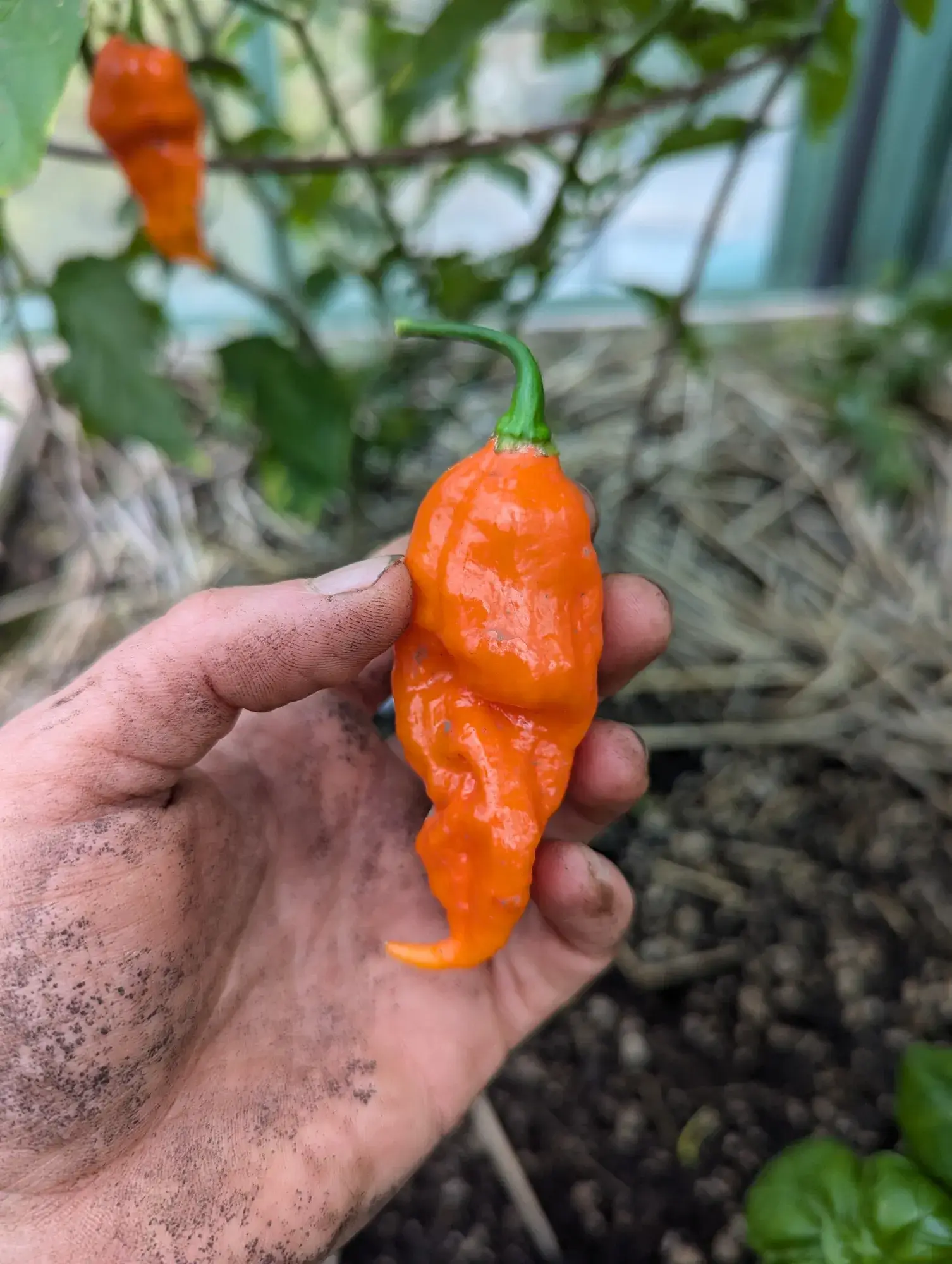
We grow for restaurants, market customers, and partners who care about flavor, transparency, and knowing the farm behind their food.

We're growing for local chefs & market partners.

Our produce is grown for depth of flavor, consistent quality, and transparency about how it was grown. We provide produce to restaurants in the Portland area, sell directly to market customers and partner with Impact Northwest to help bring fresh, nutritious vegetables to more people in our local community.
Dig Deeper

Learn more about the research and principals guiding our work to unearth the vital links between living soil, plant vitality, human nutrition, and the long-term health of the land.