Learning from living soil
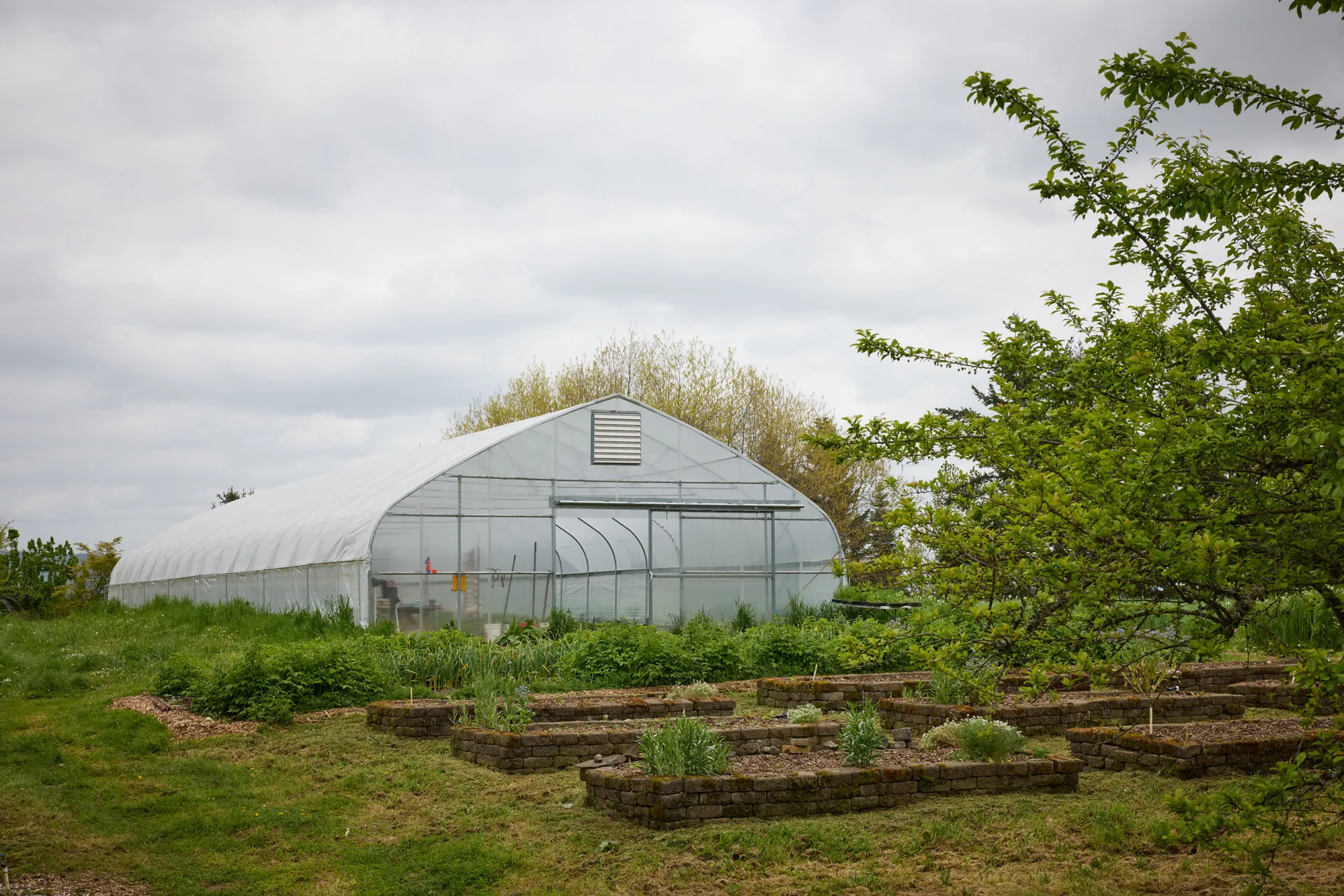
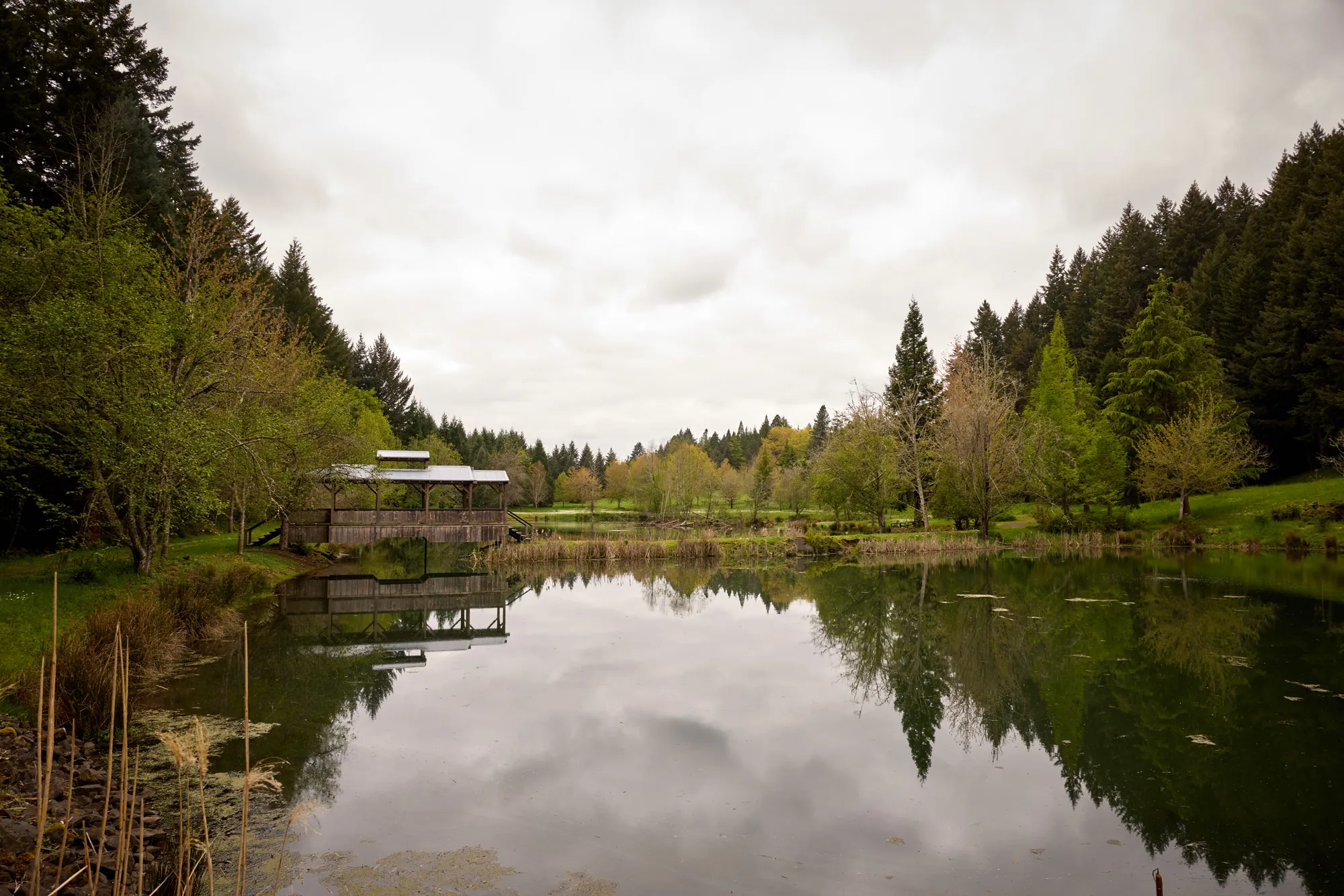
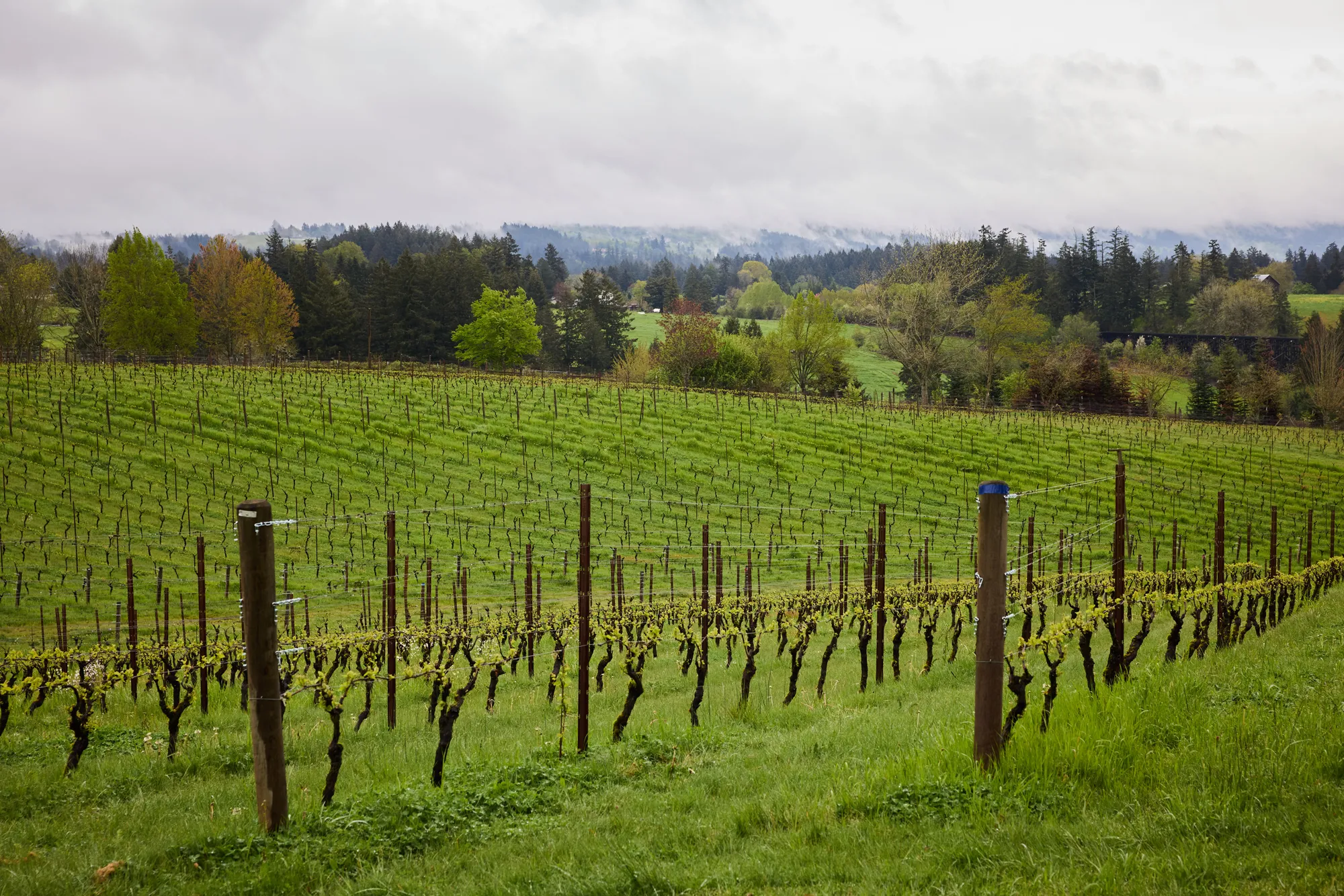
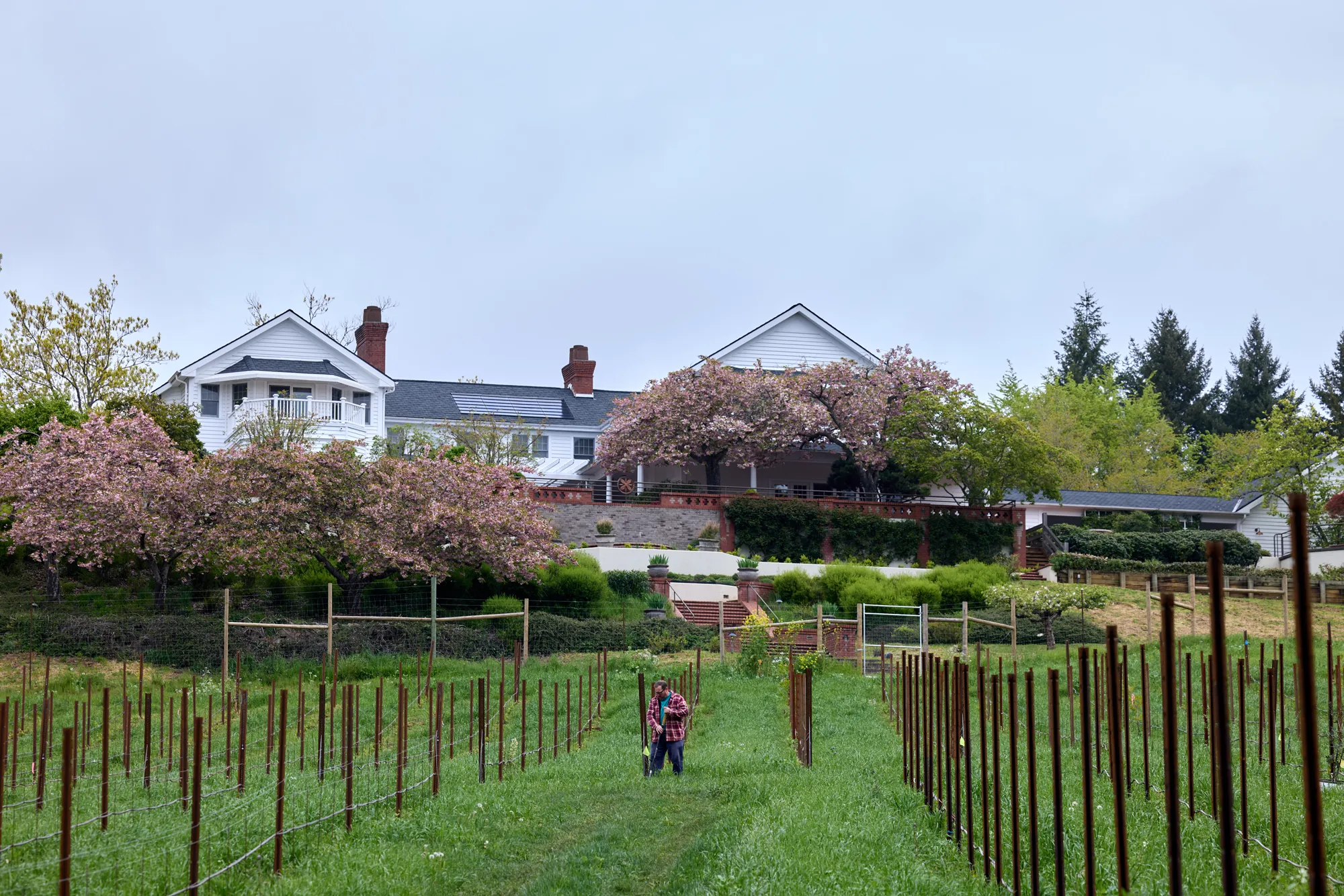
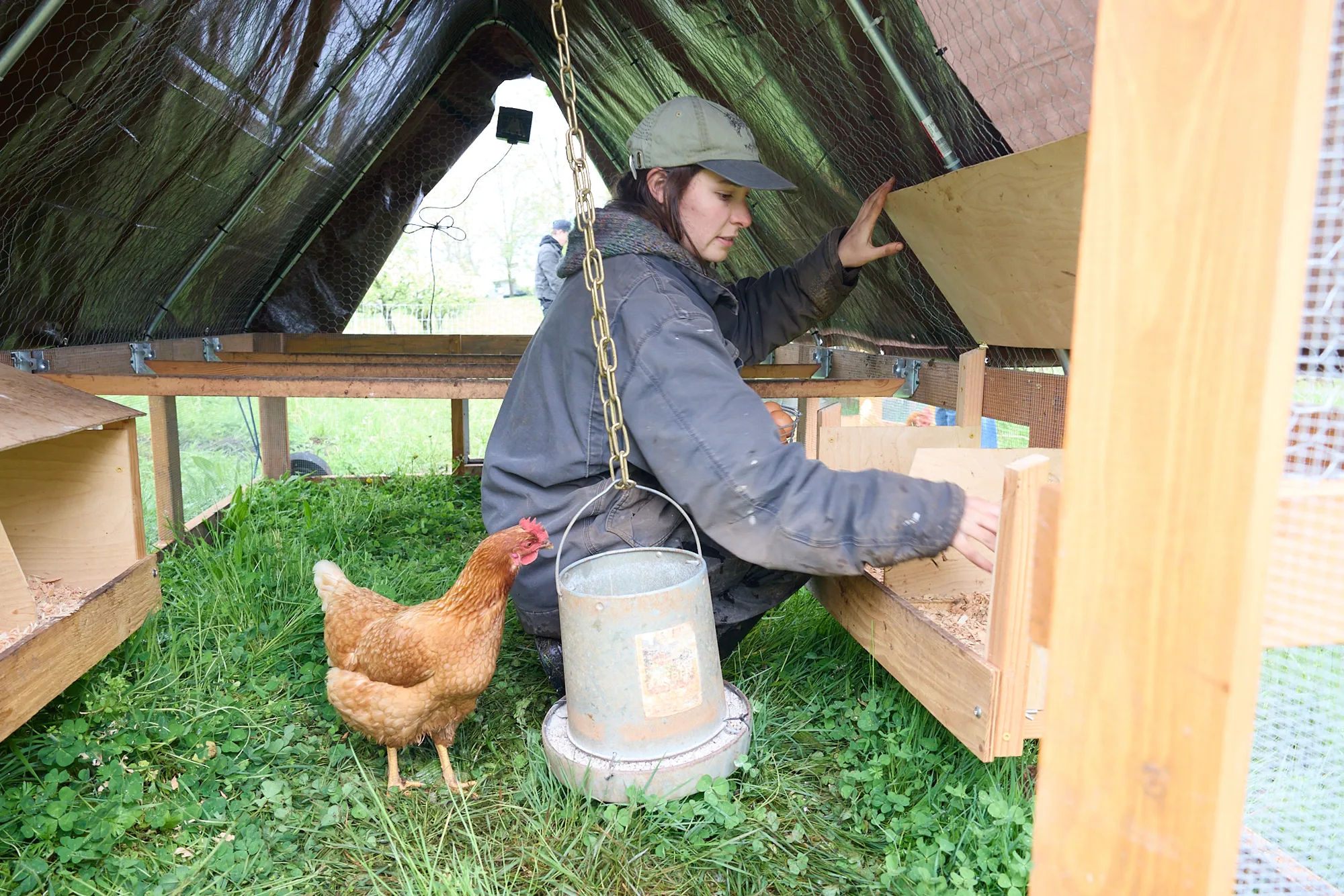
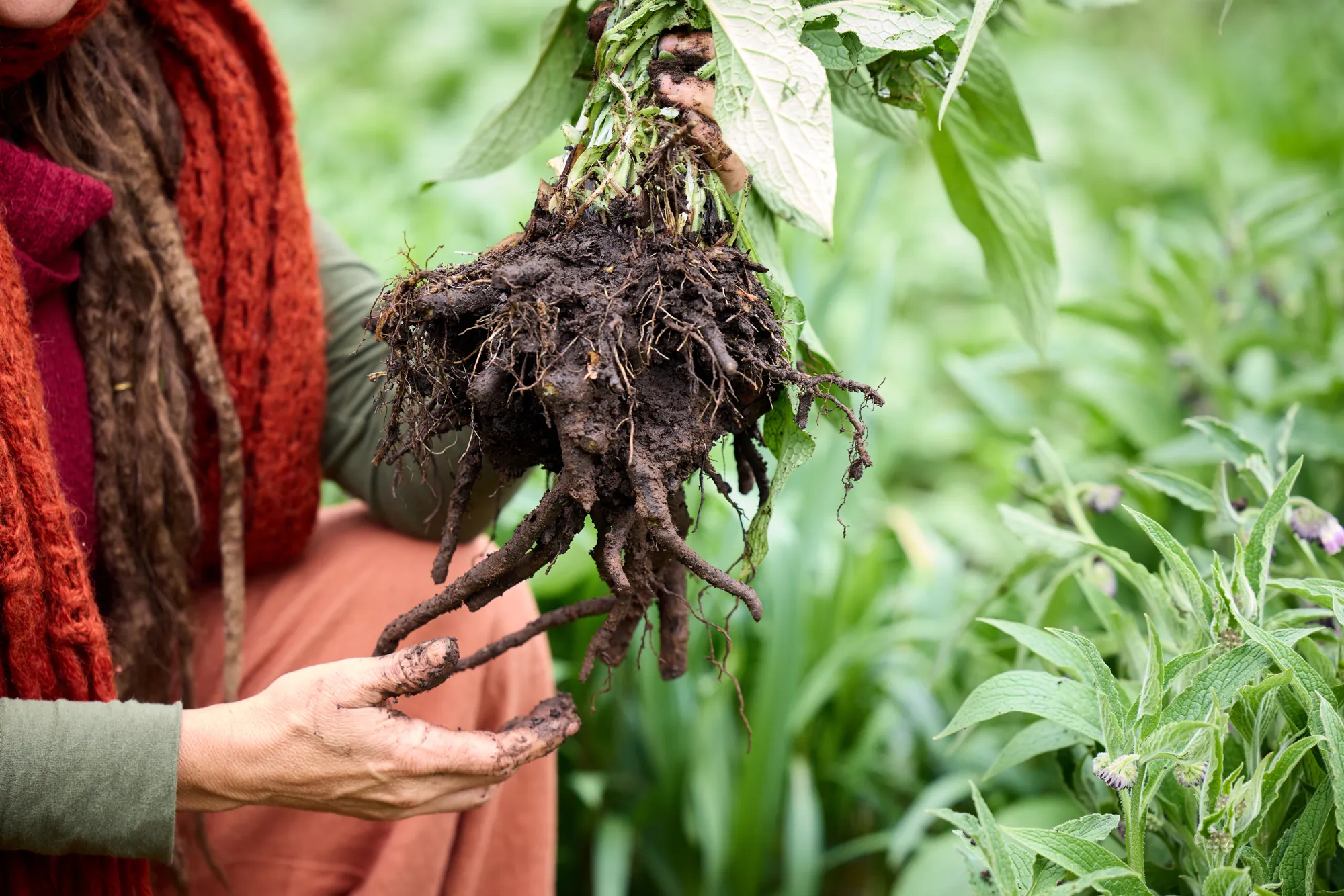
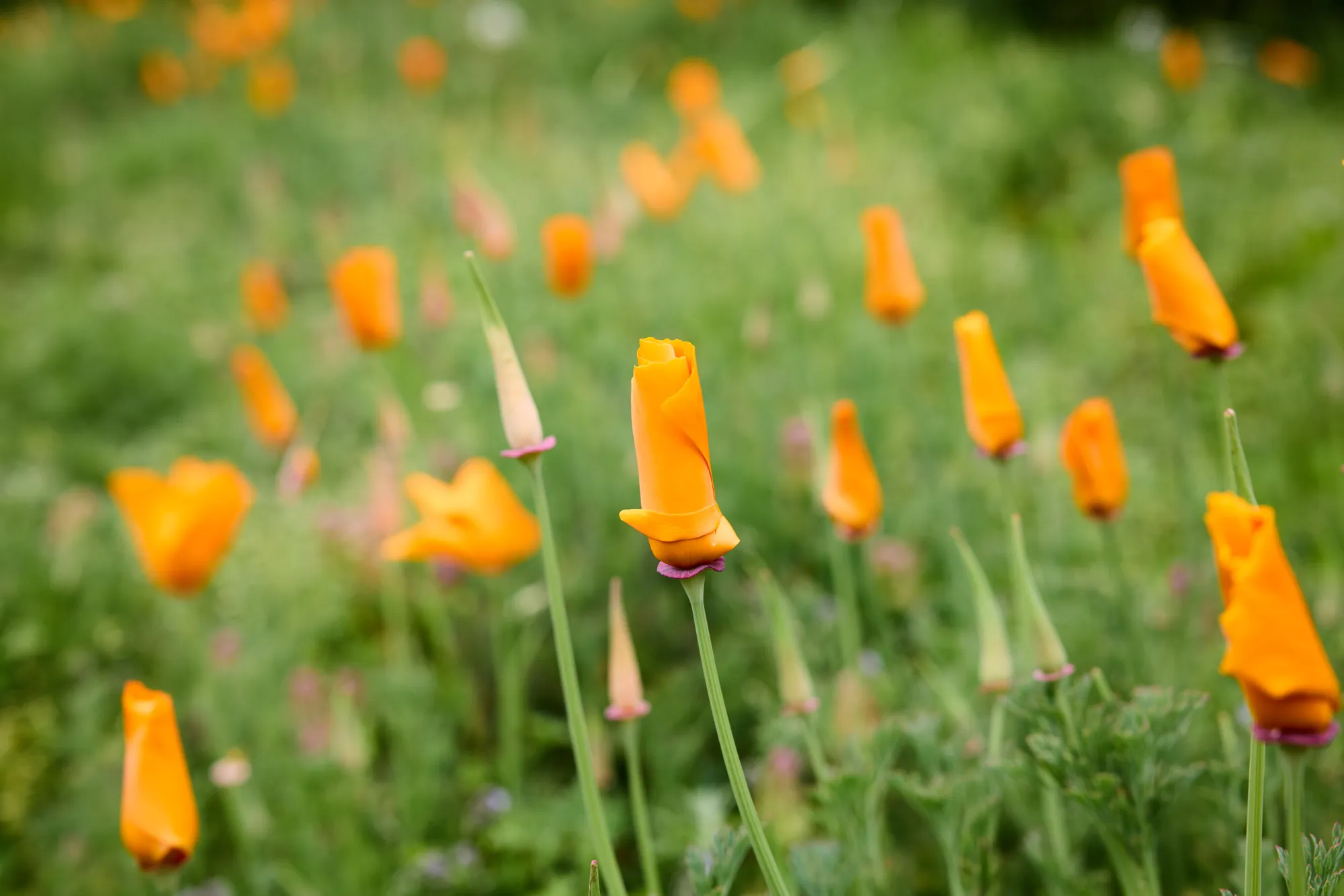

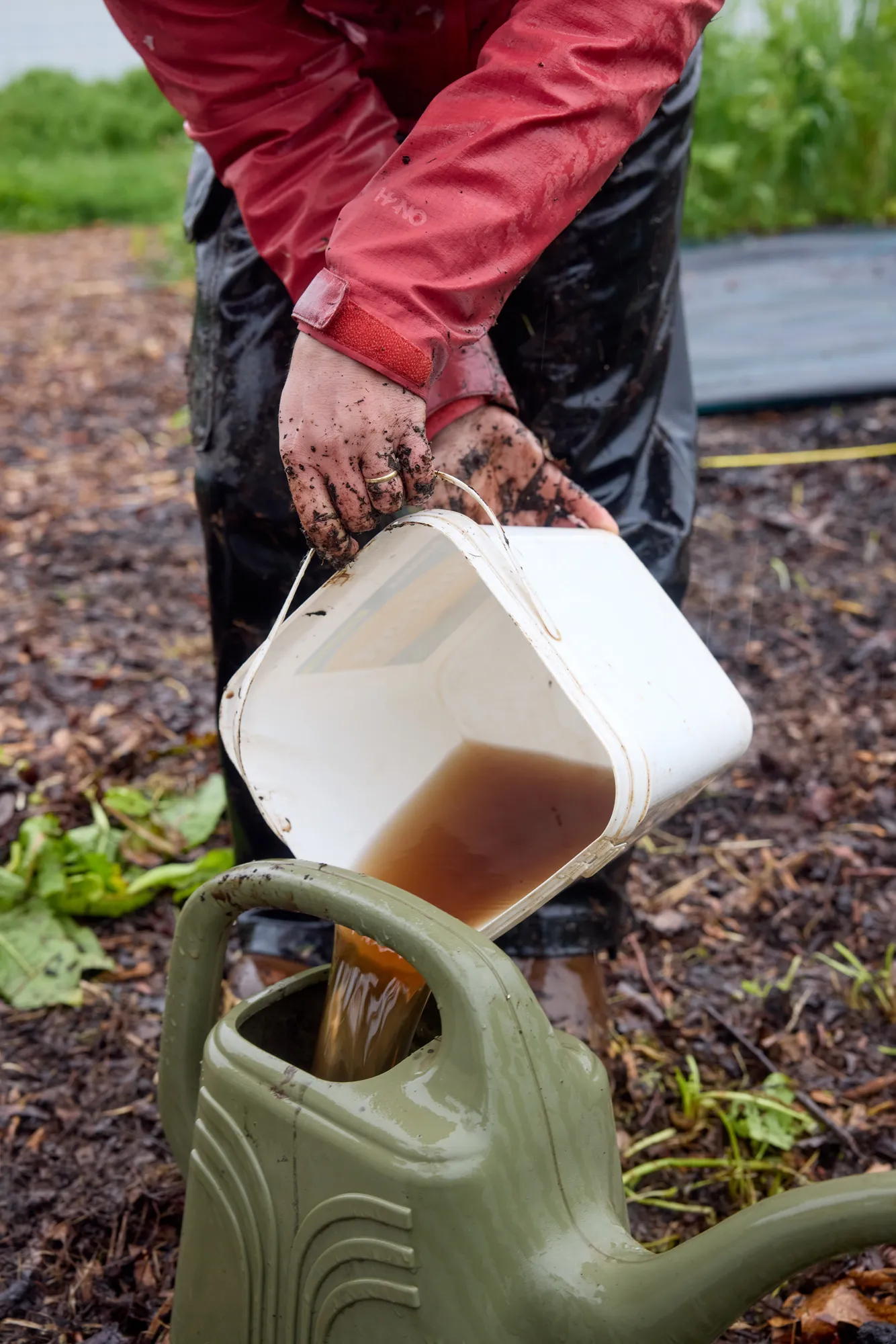
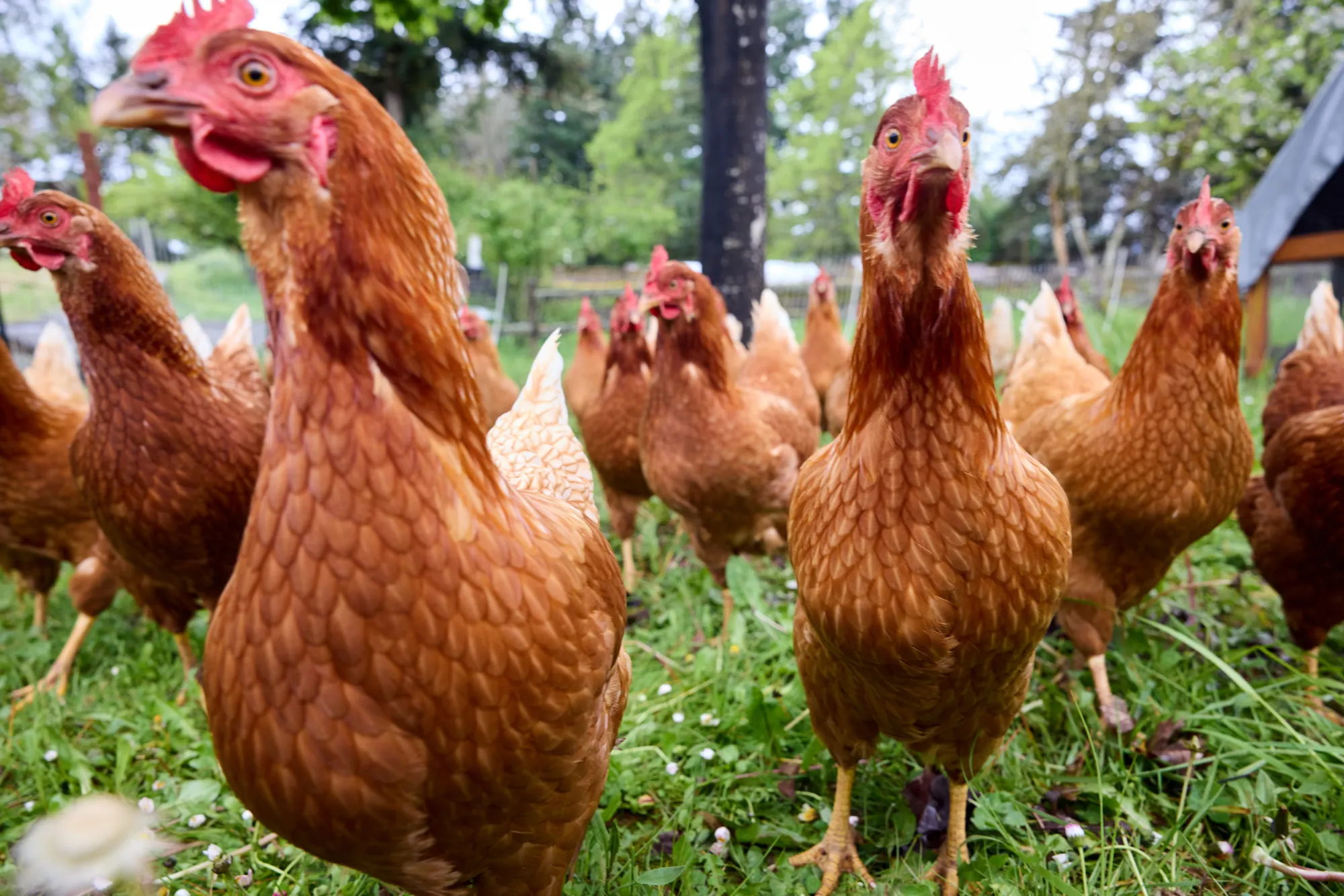
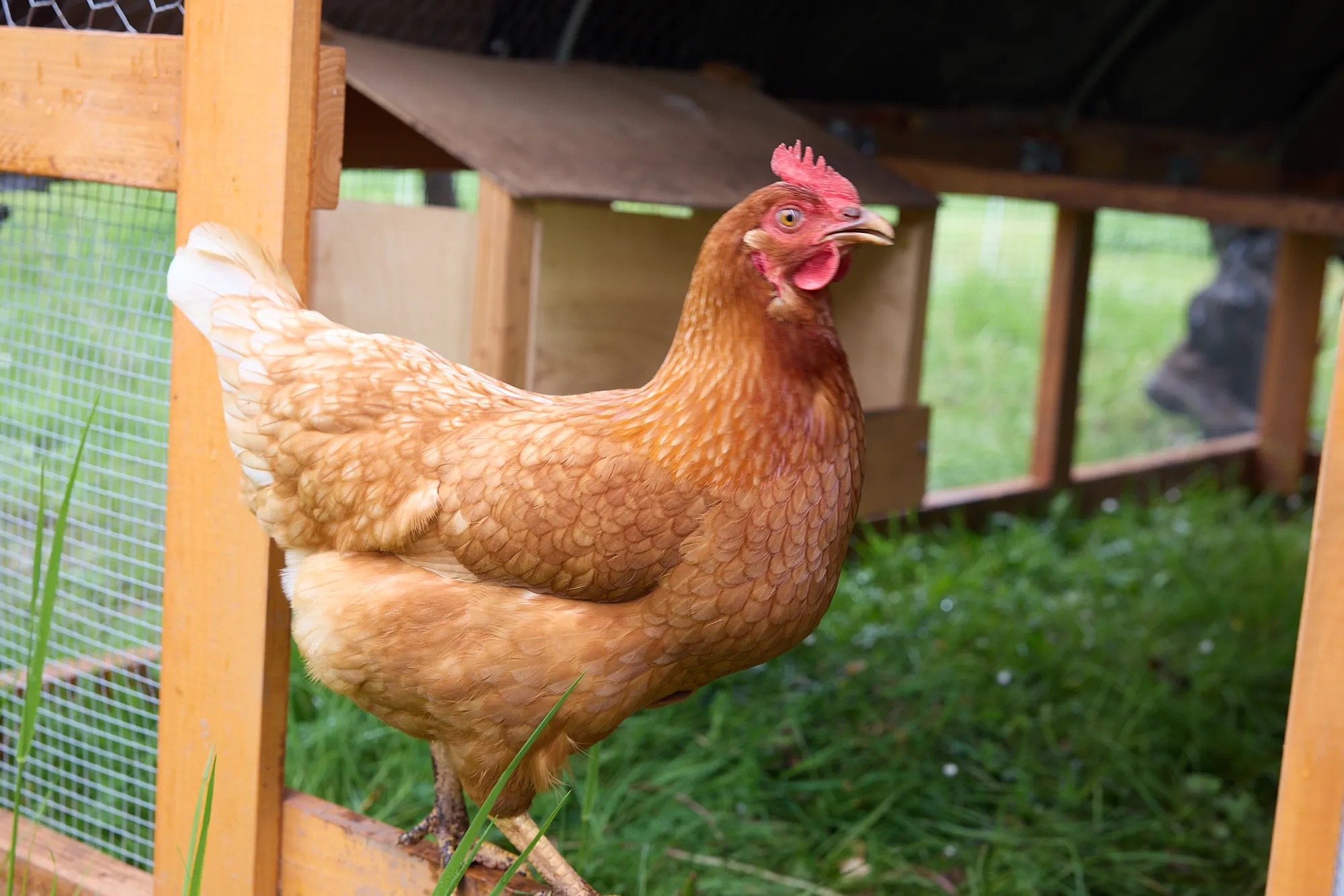

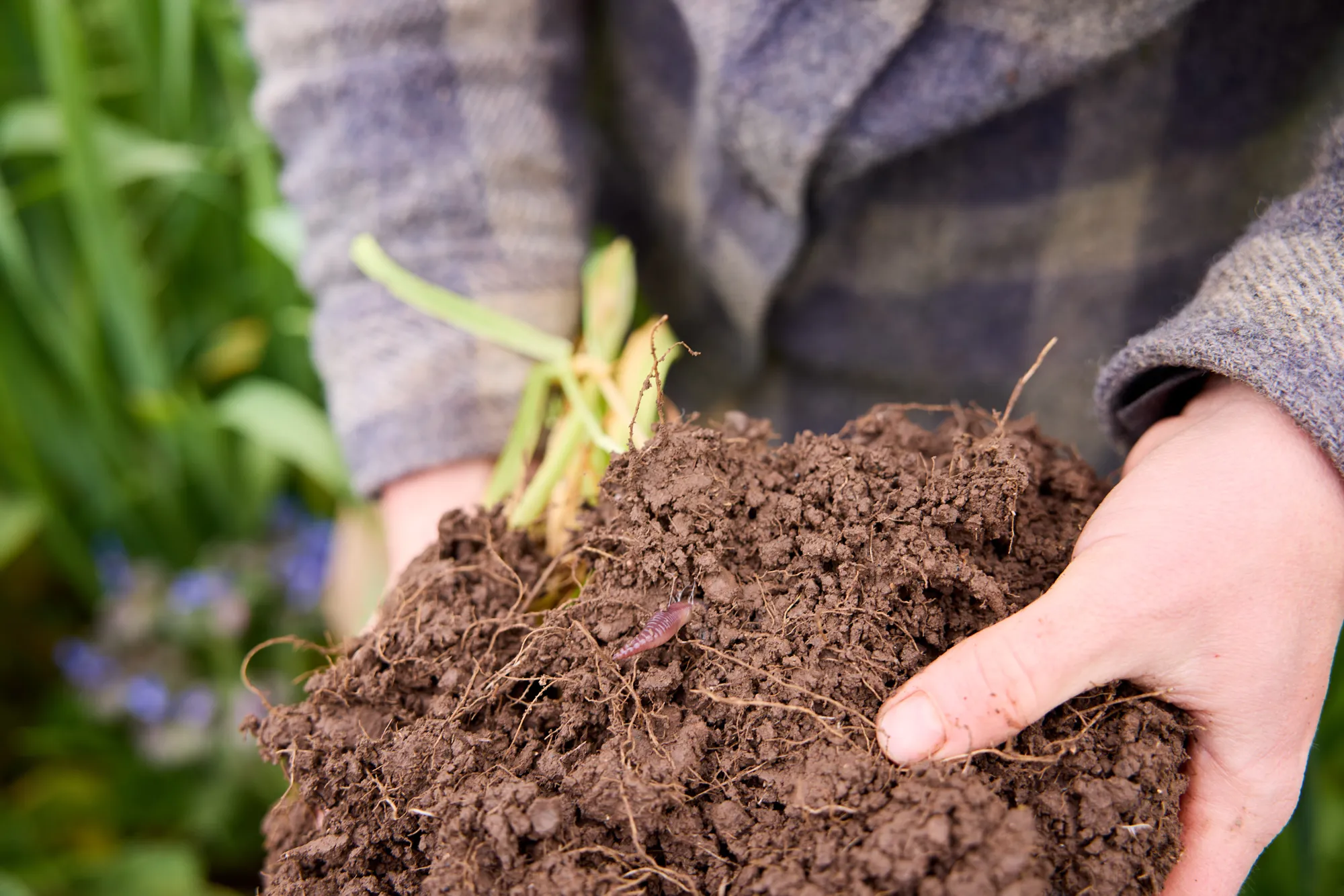
At Acania, we’re studying the vital links between living soil, plant vitality, human nutrition, and the long-term health of the land.
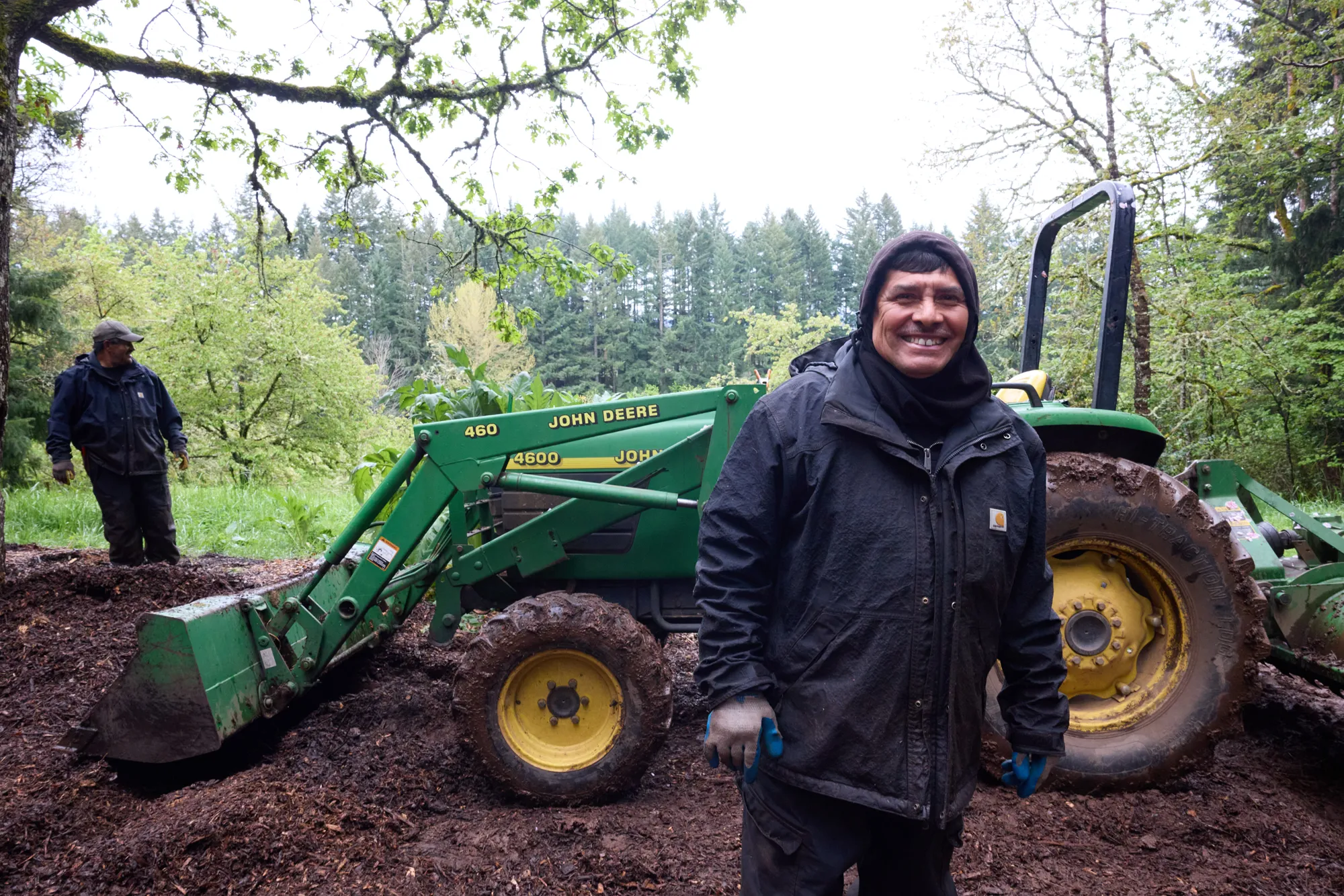
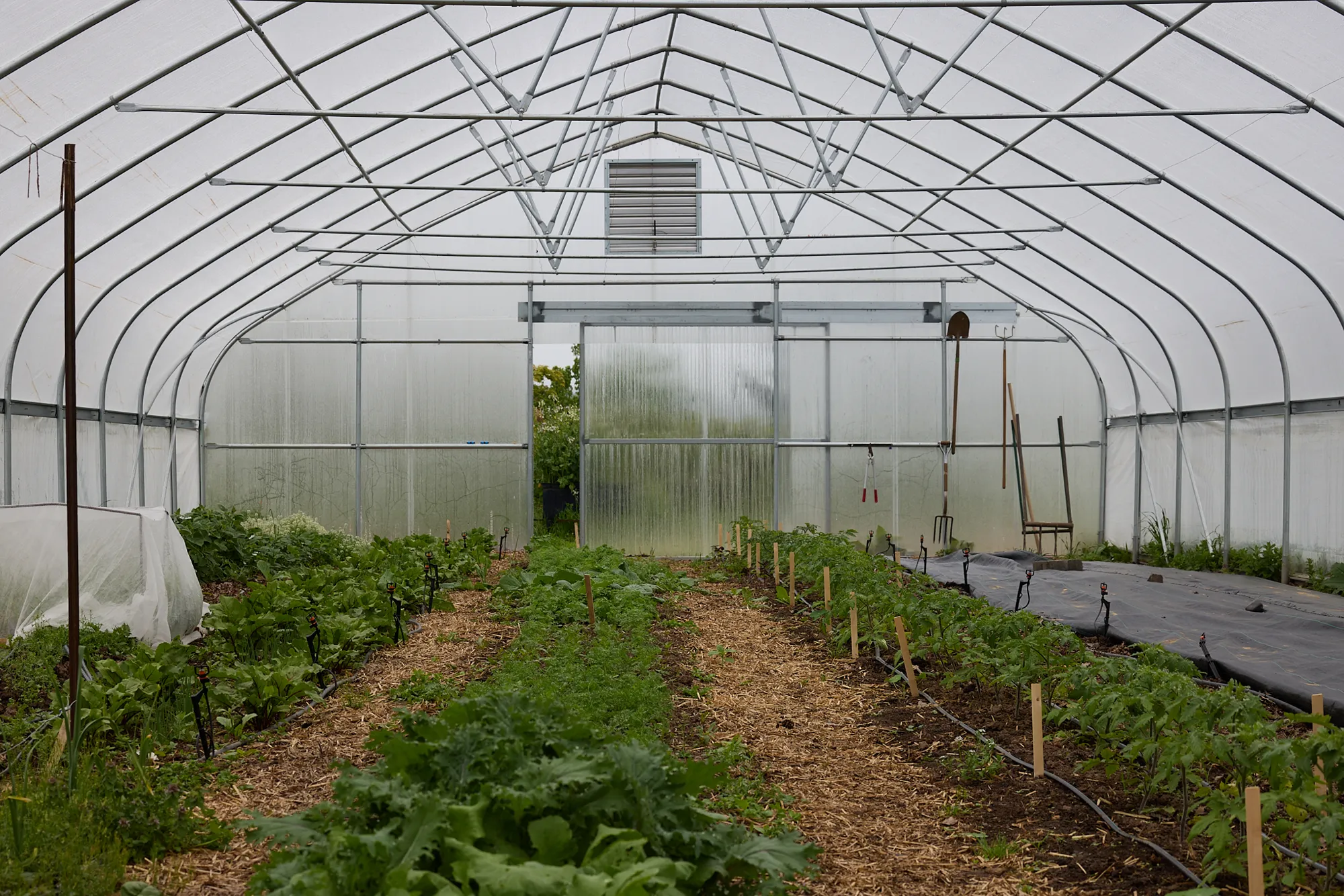
Acania is a 93-acre diversified ecological farm and field research site in Helvetia, Oregon. Through this work, we hope to contribute useful field-based data that helps more farmers build healthy soil and more people access nutrient-dense food.
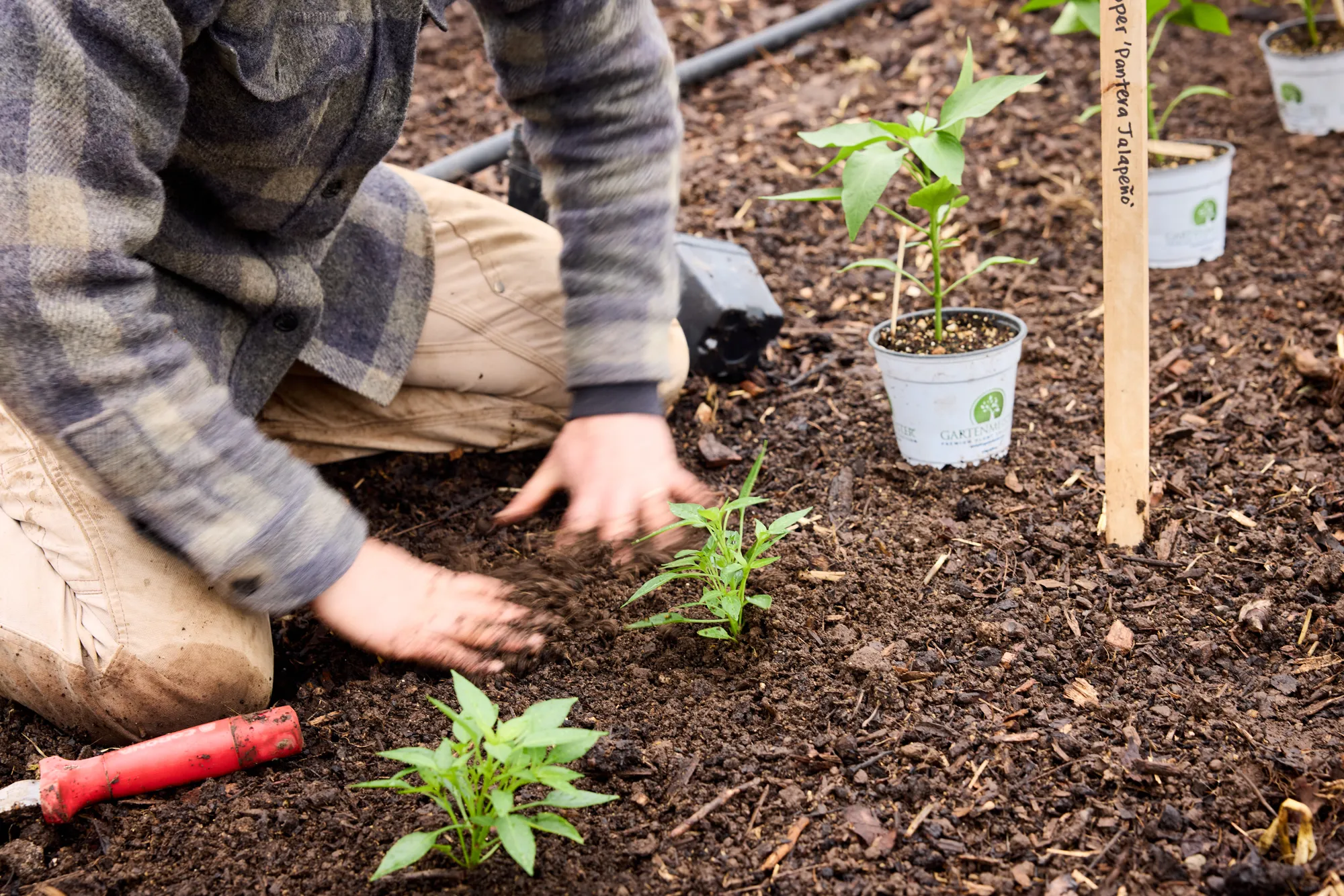
We are studying how soil health influences plant vitality, nutrient density, and the broader health of the farm ecosystem.
Our long-term soil health trial compares nutrient-dense crops grown side by side under two different organic management systems.
I.
Standard Organic Management
This system follows USDA Organic standards and uses approved organic practices such as crop rotation, cover cropping, compost, and OMRI-listed fertility inputs.
II.
Regenerative Organic Management
This system builds on USDA Organic standards with a stronger emphasis on soil biology, biodiversity, and ecological function. It uses practices such as reduced soil disturbance, diverse cover crops, compost, compost tea, mulching, insectary plantings, and biology-rich inputs to support the living processes within the soil.
By studying these systems side by side, we hope to better understand how soil management affects soil life, crop yield, plant vitality, and the nutrient quality of the food we grow.
The Data We’re Collecting
In our trial, we are measuring soil biological activity, crop yield, and crop secondary metabolite content. We are also observing broader indicators of ecosystem health, including soil structure, water infiltration, biodiversity, and carbon in the soil.
Secondary metabolites, including polyphenols and carotenoids, are plant compounds associated with antioxidant and anti-inflammatory benefits in the human diet.
By studying these patterns together, we hope to better understand the relationship between living soil, nutrient density, and the larger health of the farm system. This data can help create practical reasons for more growers to invest in soil-building practices that support healthier soil, more nourishing food, cleaner water, greater biodiversity, and a more resilient climate.
Soil
Study
Trial
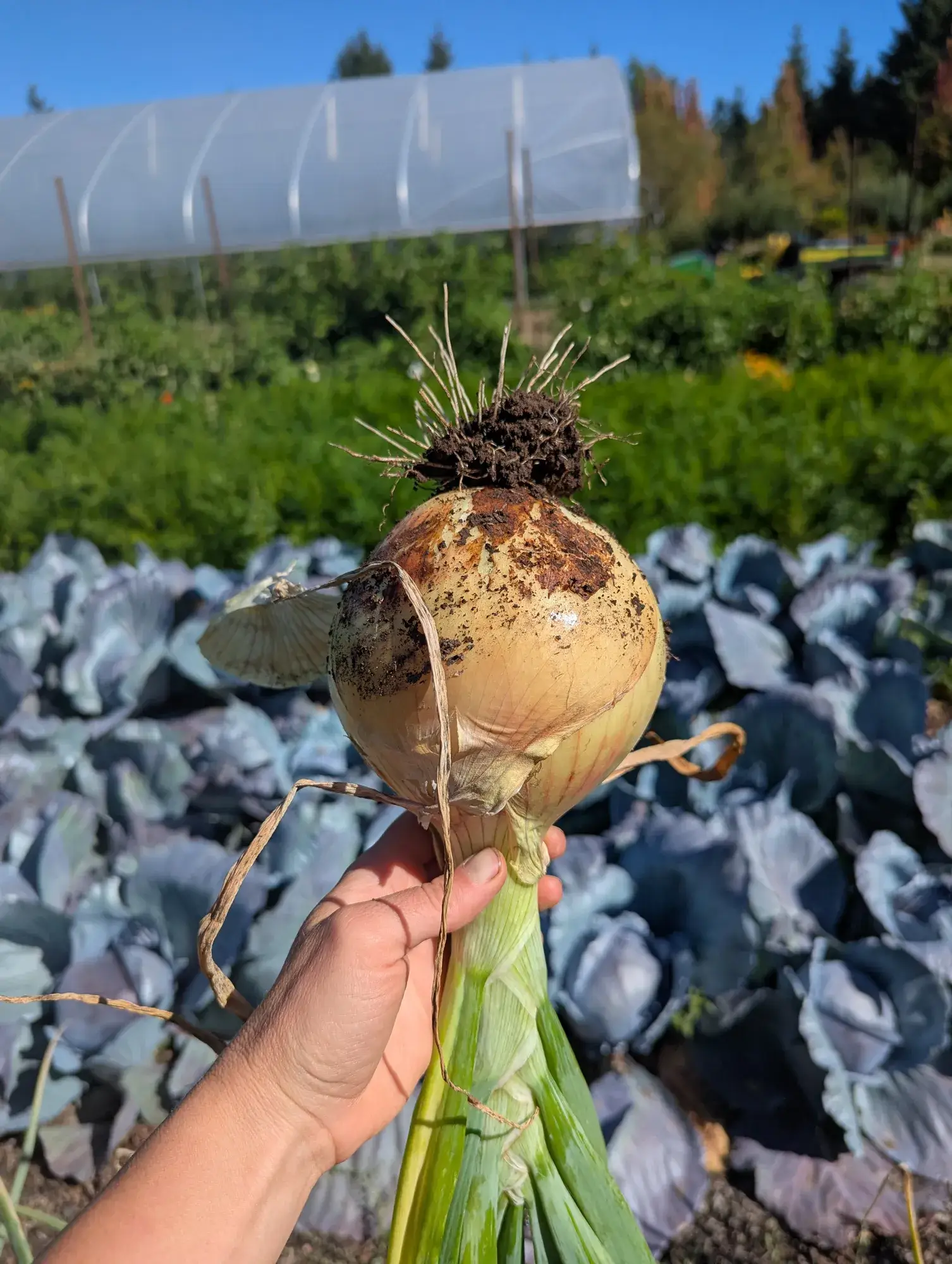
Crops
I.
Beet
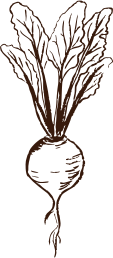
Common Name:
Beet
Family:
Amaranthaceae
Genus:
Beta
Species:
Beta Vulgaris
Season:
Spring/Fall
II.
Broccoli
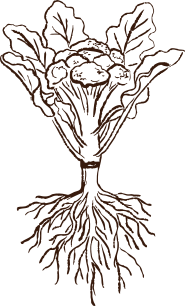
Common Name:
Broccoli
Family:
Brassicaceae
Genus:
Brassica
Species:
Brassica oleracea
Season:
Spring/Fall
III.
Carrot
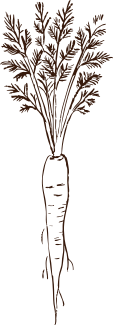
Common Name:
Carrot
Family:
Apiaceae
Genus:
Daucus
Species:
Daucus Carota
Season:
Spring/Fall
IV.
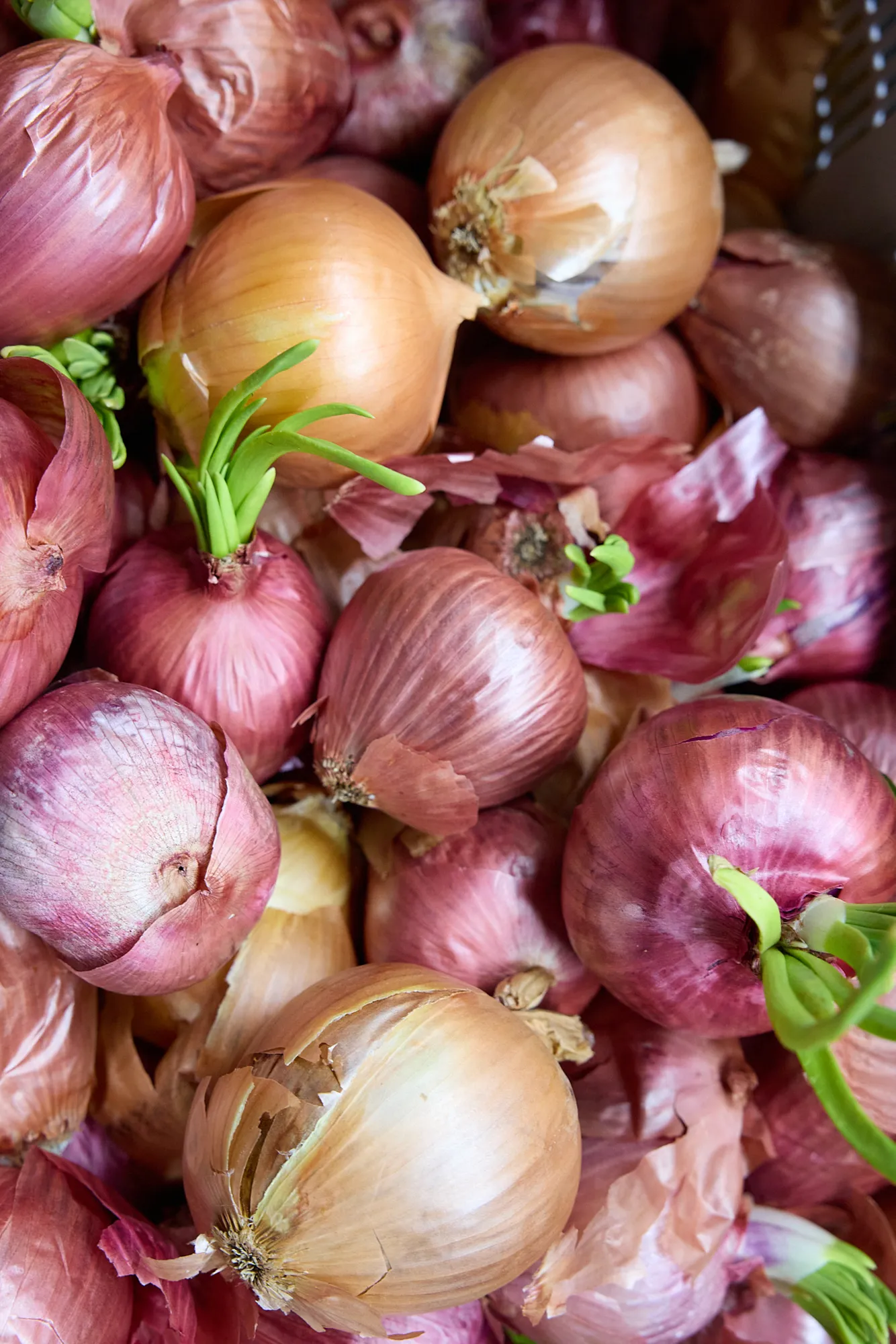
Onion
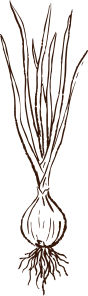
Common Name:
Onion
Family:
Amaryllidaceae
Genus:
Allium
Species:
Allium cepa
Season:
winter/Spring
V.
Red Cabbage
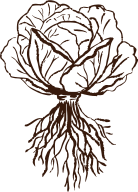
Common Name:
REd Cabbage
Family:
Brassicaceae
Genus:
Brassica
Species:
Brassica oleracea
Season:
Spring/Fall
VI.
Spinach
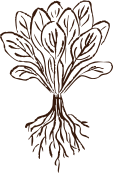
Common Name:
Spinach
Family:
Amaranthaceae
Genus:
Spinacia
Species:
Spinacia oleracea
Season:
Early Spring/Fall
VII.
Tomato
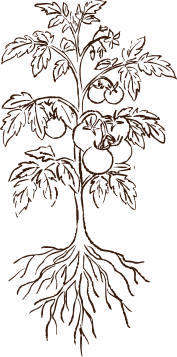
Common Name:
Tomato
Family:
Solanaceae
Genus:
Solanum
Species:
Solanum lycopersicum
Season:
Summer
Learn more about the people and principals guiding our work to unearth the vital links between living soil, plant vitality, human nutrition, and the long-term health of the land.